

The Hidden Threat – Osteoporosis and Your Spine
February 29, 2024
Combat Chronic Pain with Anti-Inflammatory Shots: A Solution from Texas Spine and Sports Therapy Center
March 15, 2024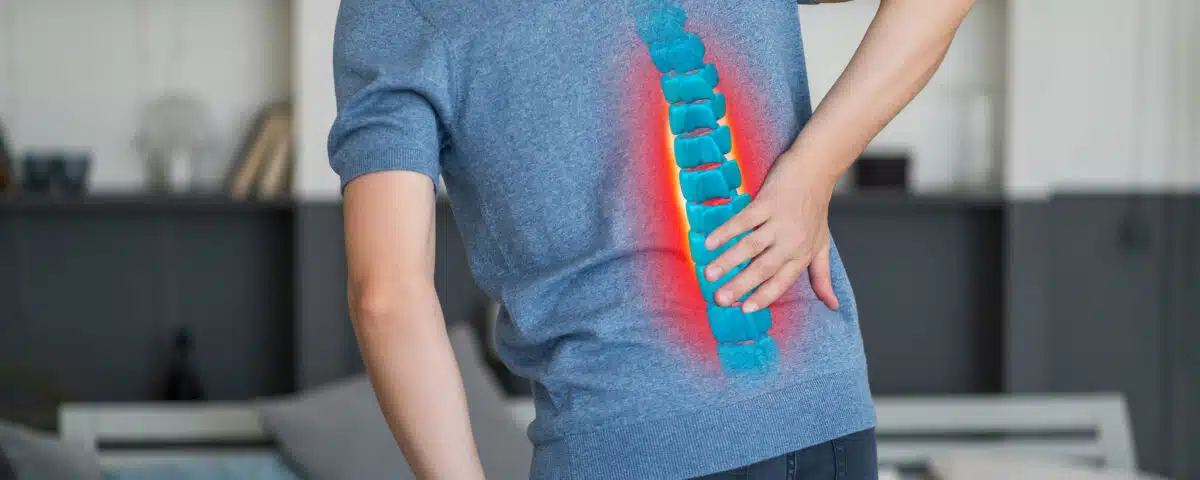
Back pain is a common ailment that can severely impact your mobility and quality of life. Among the myriad causes of back pain, a herniated disc ranks high on the list of disruptive conditions. Also known as a slipped or ruptured disc, this can lead to localized pain, numbness or tingling in the affected area, and weakness in the legs.
Some herniated discs occur due to sudden injuries or accidents. However, many are a result of long-term strain on the spine. Education and proactive care can go a long way in preventing this condition from developing. In this article, we outline ten crucial tips to help you safeguard your spinal health and prevent the occurrence of a herniated disc.
What is a Herniated Disc?
A herniated disc, also known as a slipped or ruptured disc, occurs when the soft inner portion of a spinal disc bulges out through a crack in the tough outer layer. This condition can cause irritation to nearby nerves and result in various symptoms such as pain, numbness, tingling, and weakness in the affected area.
While a herniated disc can occur in any part of the spine, they are most common in the lower back (lumbar region) and neck (cervical region). It is essential to understand that not all herniated discs cause symptoms. Some individuals may have a herniated disc without experiencing any discomfort or issues.
What Causes a Herniated Disc?
A herniated disc can occur due to various reasons, including age-related wear and tear on the spine, repeated strain from certain activities or occupations, and sudden injuries or accidents. As we age, our spinal discs lose water content, making them less flexible and more prone to tearing or rupturing with normal movement. This degenerative process can lead to a herniated disc, even with simple movements like bending or twisting.
Additionally, occupations that involve heavy lifting, repetitive motions, and prolonged sitting can also increase the risk of developing a herniated disc. These activities put extra strain on the spine over time, leading to tears in the outer layer of the disc and causing it to bulge out.
Tips for Preventing a Herniated Disc
- Maintain good posture: Poor posture can put added stress on your spine, leading to strain and potential injury. Be mindful of your posture while sitting, standing, and lifting heavy objects.
- Exercise regularly: Regular physical activity strengthens the muscles supporting your spine, making it less vulnerable to injury.
- Use proper lifting techniques: When lifting heavy objects, bend your knees and keep your back straight. Avoid bending or twisting at the waist while lifting.
- Take breaks from sitting: Prolonged sitting can put pressure on your spine and lead to muscle imbalances. Take frequent breaks to stand up, stretch, and walk around.
- Strengthen your core muscles: A strong core helps support your spine and prevent injuries. Incorporate core strengthening exercises into your fitness routine.
- Maintain a healthy weight: Excess weight can put added strain on your spine, increasing the risk of a herniated disc. Maintain a healthy weight through proper diet and exercise.
- Use proper ergonomics: Whether at work or home, make sure your workspace is set up in an ergonomic manner to support your spine and reduce strain.
- Avoid repetitive motions: If your job or daily activities involve repetitive movements, take frequent breaks to stretch and change positions.
- Quit smoking: Smoking can decrease the oxygen supply to spinal tissues, making them more prone to degeneration and injury.
- Seek professional help: If you experience any back pain or discomfort, seek medical advice. Early detection and treatment can prevent a herniated disc from worsening.
By following these tips, you can reduce your risk of developing a herniated disc and maintain a healthy spine for years to come. Remember, proactive care is crucial in preventing spinal injuries and conditions like a herniated disc. So take care of your spine, and it will take care of you.
In conclusion, a herniated disc is a common condition that can cause pain and discomfort in the back, neck, and legs. It is essential to be aware of the causes and symptoms to prevent its occurrence. By incorporating simple lifestyle changes like maintaining good posture, exercising regularly, and seeking professional help when needed, you can
Make an Appointment with Texas Spine and Sports Therapy Center
Take control of your spinal health by scheduling an appointment with Texas Spine and Sports Therapy Center. Our team of experts specializes in treating back pain, including herniated discs, and can provide personalized care to help you achieve optimal spinal health. Don’t let a herniated disc hold you back from living your best life. Contact us today for more information or to schedule an appointment!