
What to Know About Spinal Compression Fractures
February 22, 2024
Tips for Preventing a Herniated Disc
March 8, 2024
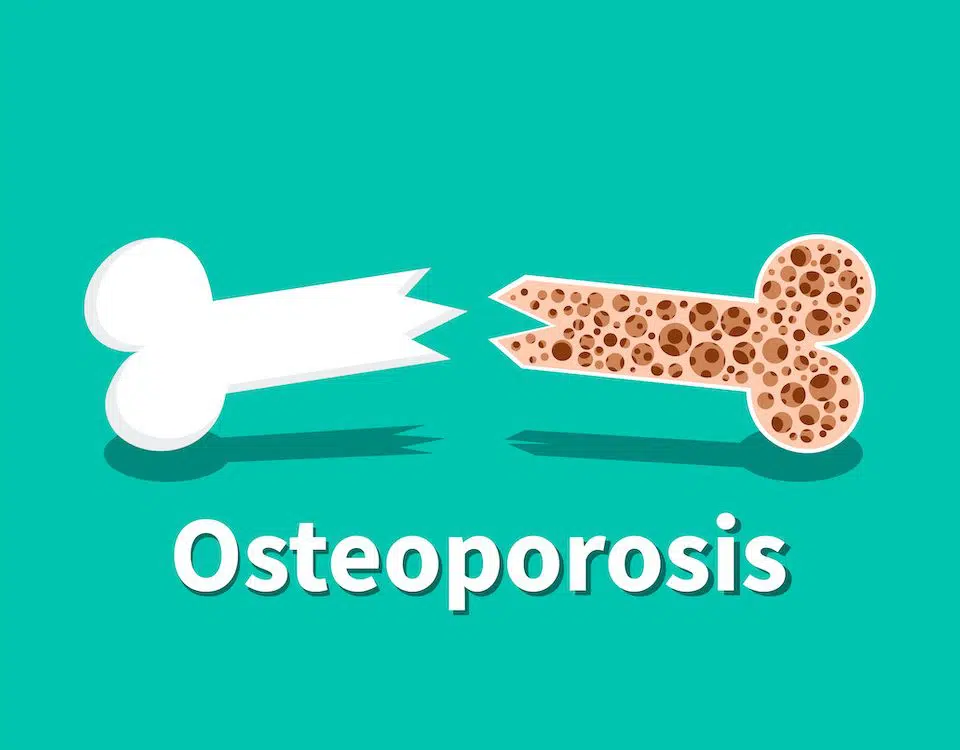
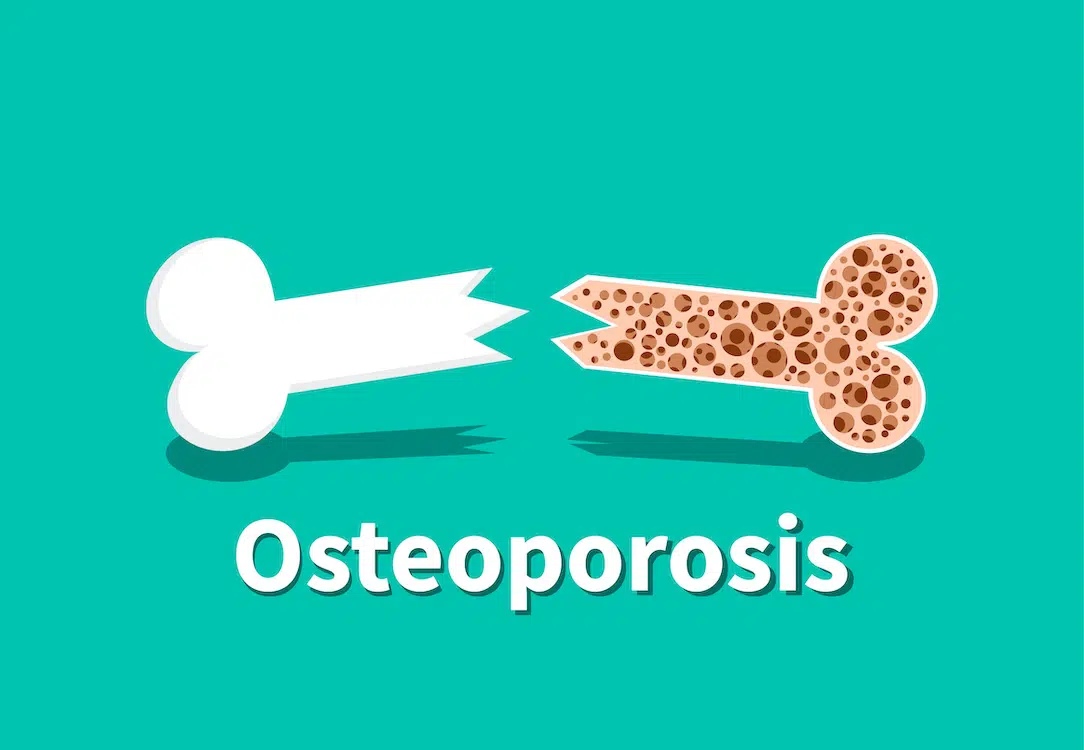
The topic of osteoporosis often conjures up images of fragile bones and an increased risk of fractures, and while this is indeed a fundamental concern, there is a hidden subtlety that makes this condition especially worrisome for your back. At its core, osteoporosis is more than just a bone density disease; it’s a chronic and degenerative condition that can significantly impact your spinal health and overall quality of life.
Understanding Osteoporosis
Osteoporosis is often called the ‘silent disease’ because it typically progresses without any symptoms until a fracture occurs. For many, a diagnosis of osteoporosis or the less severe condition, osteopenia, comes as a surprise. It is characterized by a weakening of the bone structure, making them porous and more susceptible to breaks. These fractures can occur from seemingly minor incidents such as bending, lifting, or even from a sneeze.
Symptoms of osteoporosis can include:
- Back pain is a common issue experienced by many individuals, which can affect daily activities and quality of life.
- Loss of height, often due to age-related changes like osteoporosis, can lead to postural changes and increased risk of fractures.
- Poor posture, such as a stooped or hunched position, can contribute to muscle imbalances and back problems over time.
- Fractures, especially in weight-bearing areas like the hip, spine, and wrist, are significant concerns, especially for those with osteoporosis or at risk of falls.
The Impact on Your Spine
The vertebrae in your spine are responsible for supporting your body’s weight and protecting your spinal cord. When affected
Osteoporosis and Your Spine
The spine is one of the areas most commonly affected by osteoporosis-related fractures. Often referred to as compression fractures, these occur when the weakened vertebrae collapse partially or entirely due to pressure on the spine. This leads to severe pain and a loss of height. These fractures can have a cascading effect on posture, spinal alignment, and overall mobility. This is where chiropractic care becomes an integral part of the conversation.
Chiropractic Care for Osteoporosis Patients
For those diagnosed with osteoporosis, navigating care can be complex. Medications to strengthen bones are frequently prescribed, but the management of pain and maintenance of spinal health becomes a pivotal concern. This is where the skills and expertise of a chiropractor shine. Chiropractic care for osteoporosis patients focuses on gentle, non-invasive treatments that not only alleviate pain but also work to maintain spinal flexibility and alignment. The collaborative approach taken by chiropractors can be a beacon of hope for patients looking to lead an active, pain-free life despite their osteoporosis diagnosis.
Safe Practices and Precautions
Chiropractic treatment plans for osteoporosis patients are multifaceted, often including a combination of adjustments, exercises, and lifestyle recommendations designed to minimize further degeneration and manage current issues. These treatment plans are tailored to the individual patient, taking into account the severity of their condition, the presence of fractures, and their overall health.
- Adjustments: Adjustments for osteoporosis patients often involve modified, gentler techniques to ensure chiropractic care remains safe and effective.
- Exercise: Targeted exercises to increase core strength and stability can aid in preventing fractures and maintaining a healthy spine.
- Lifestyle Adjustments: Nutritional advice, particularly regarding calcium and vitamin D intake, as well as the avoidance of certain activities that could pose a risk of fracture, form a proactive approach to managing osteoporosis.
Proactive Protection – How to Safeguard Your Spine
Awareness is key when it comes to managing osteoporosis, especially with regard to the spine. Early intervention and lifestyle modifications can significantly reduce the impact of this condition.
The Role of Nutrition
Calcium and Vitamin D: Ensuring an adequate intake of these two vital nutrients forms the basis of osteoporosis prevention. Calcium is the building block of bone, and vitamin D is essential for its absorption in the body.
Whole Foods and Supplements: Incorporating sources of calcium and vitamin D into your diet or, where necessary, via supplements, can provide the support your bones need, particularly if they’re battling osteoporosis.
Stay Active, Stay Strong
Exercise for Bone Health: Weight-bearing and resistance exercises have been shown to increase bone density and can be a potent ally against osteoporosis.
Mindful Movement: Activities like yoga and Pilates, when practiced with a focus on spinal health, can help maintain flexibility and reduce the risk of injuries.
How Texas Spine and Sports Therapy Center Can Help
At Texas Spine and Sports Therapy Center, we understand the impact osteoporosis can have on your life. Our team works closely with patients to create personalized treatment plans that address their unique needs and concerns. Through adjustments, exercises, and lifestyle recommendations, we aim to help our patients improve their quality of life. Contact us today to learn how we can help you take proactive steps towards protecting your spine. Overall, osteoporosis is a condition that requires proactive management. However, with the right approach and guidance, individuals can continue to lead active, fulfilling lives despite this diagnosis. With chiropractic care and lifestyle modifications, you can take charge of your spinal health and minimize the impact of osteoporosis.