

How to Fight Tension in Your Body and Reduce Stress
June 17, 2022
5 Benefits of Spinal Decompression Treatment
June 30, 2022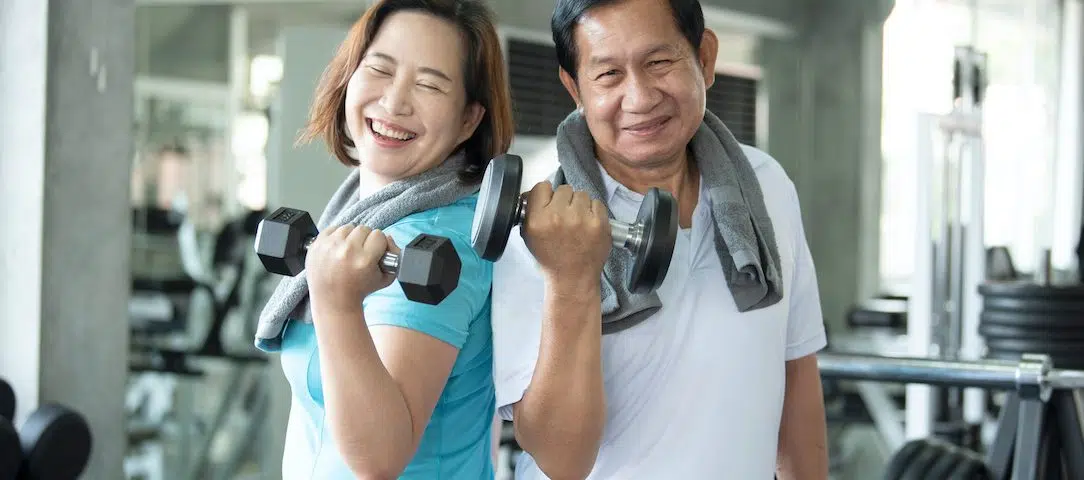
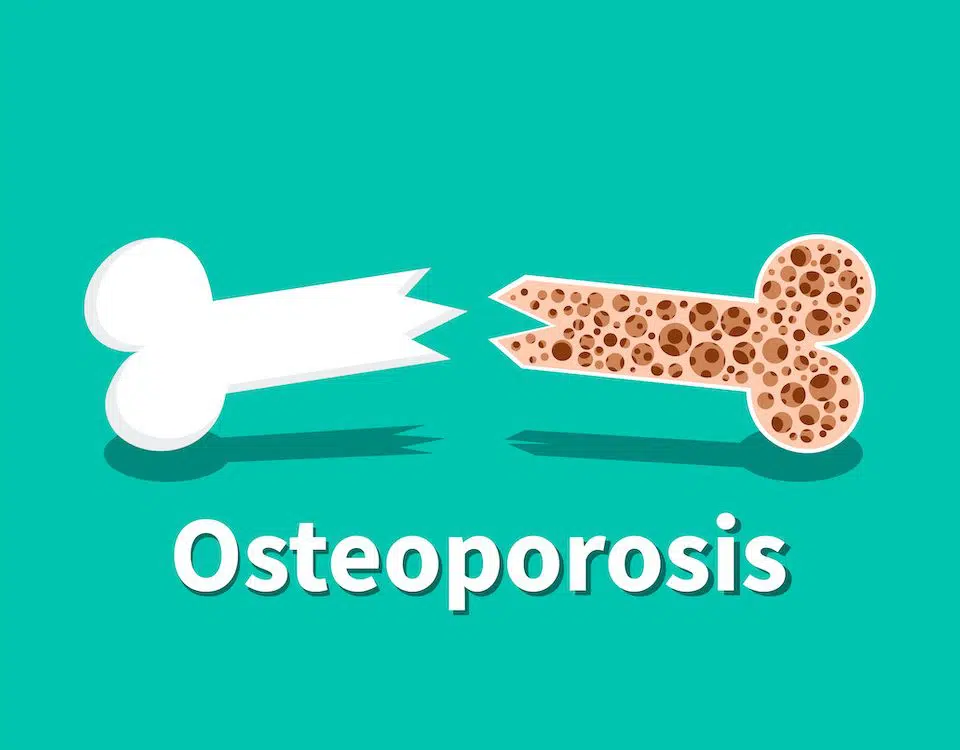
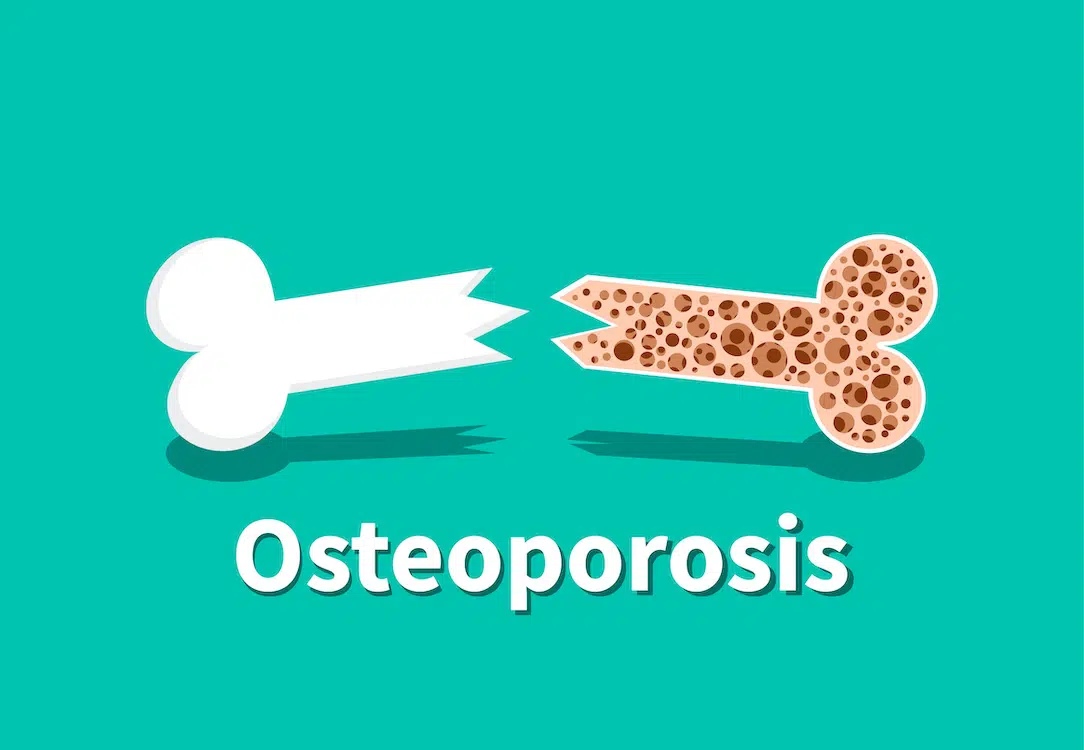
As we age, our bones become more brittle and susceptible to fractures. This is because osteoporosis begins to set in, which is a condition that causes the bones to thin and weaken. There are many factors that can contribute to osteoporosis, including poor nutrition, lack of exercise, and smoking. One of the most important ways to protect yourself from this condition is by focusing on bone health. In this blog post, we will discuss why osteoporosis is a risk for older adults and what our Austin clinic can do to try and halt the disease.
What to Know About Osteoporosis
Osteoporosis causes bones to become weak and brittle — so brittle that a fall or even mild stresses such as bending over or coughing can cause a fracture. Mayo Clinic explains that osteoporosis-related fractures most commonly occur in the hip, wrist or spine.
This condition is often called the “silent disease” because there are often no symptoms until a bone is broken. By the time most people find out they have this disease, the damage has already been done. This is why it’s so important to be proactive about your bone health, especially as you age.
Your Bones
Bones are constantly being remodeled, which means that old bone is broken down and new bone is created. When you’re young, your body makes new bones faster than it breaks down old bones. But as you age, the reverse is true. Your body breaks down old bone faster than it can make new bone. This process is called bone turnover.
Bone turnover is a normal part of aging. But if your body can’t make new bone as fast as it’s breaking down old bone, you can end up with osteoporosis
Symptoms of Osteoporosis
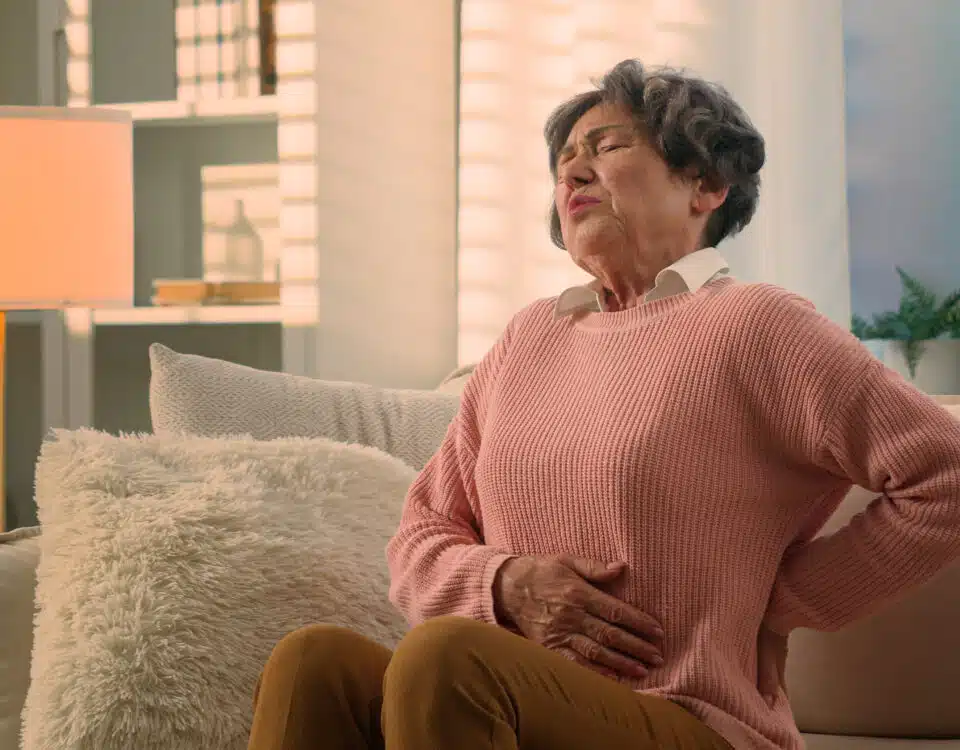
According to WebMD, as the disease has time to gain momentum you may begin to notice symptoms linked to your weakened bones such as:
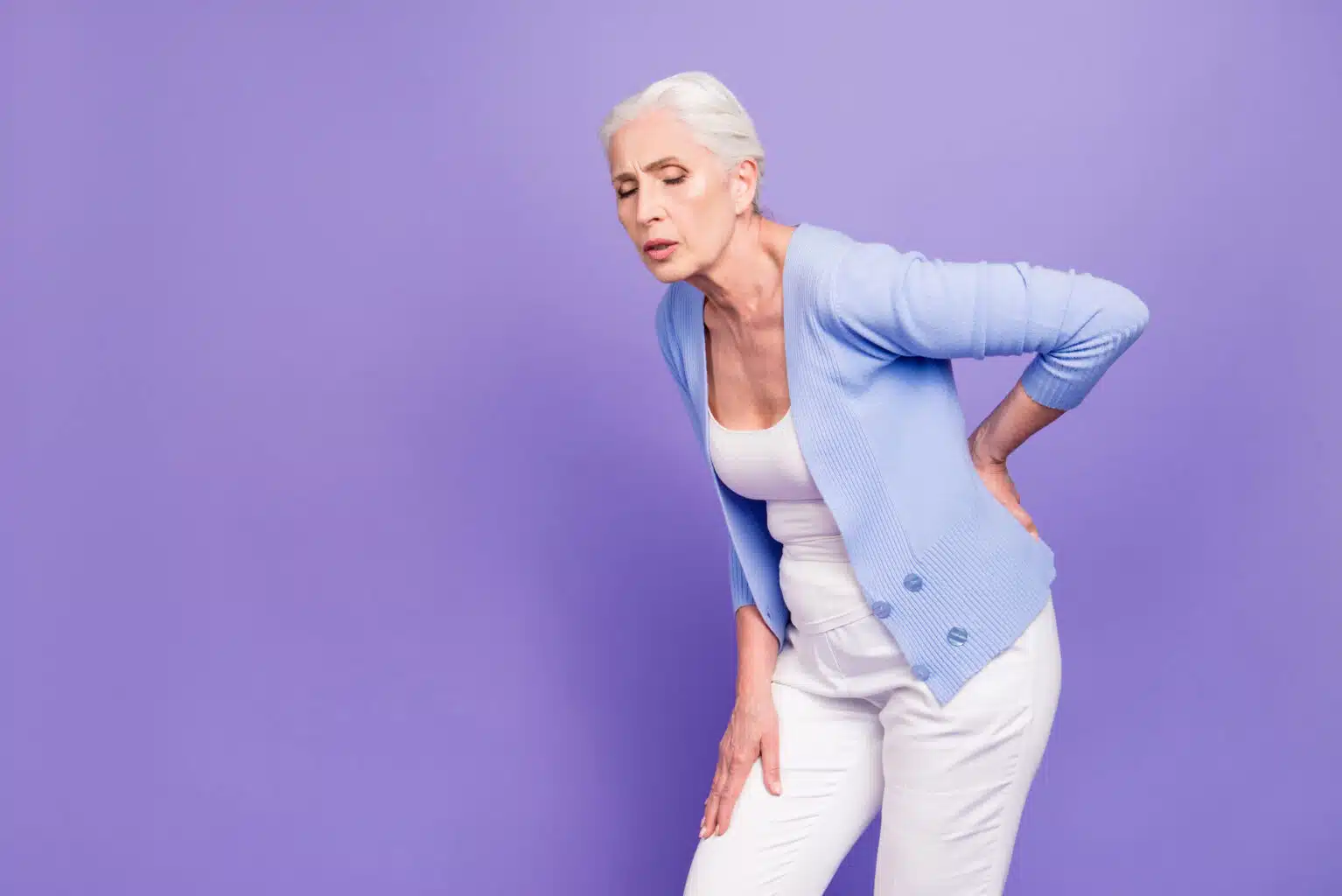
- Back pain
- Posture changes and height decrease
- Curvature of the spine
- Broken bones that result from minor injuries (principally in the hip, spine, and wrist)
- Compression fractures
Risk Factors
Some of the risk factors for osteoporosis include:
- Gender – Women are more likely to develop osteoporosis than men.
- Age – The risk of osteoporosis increases with age.
- Family history – If you have a family member with osteoporosis, you may be more likely to develop the condition yourself.
- Small, thin frame – People who are small and have a thin build are at a higher risk for osteoporosis.
- Lifestyle choices – Smoking, drinking too much alcohol, and not getting enough exercise can all increase your risk for developing osteoporosis.
- Certain medications – Some medications, such as steroids, can increase your risk for osteoporosis.
Treatment
Although there is currently no cure for osteoporosis, you can be proactive in the prevention of the disease or to stop its current progression. Through early detection of the disease you may even be able to increase bone density and reverse the disorder to some degree. Ensure that your diet has the proper amounts of calcium and vitamin D to promote good bone health. Talk with Dr. Shaner at Texas Spine and Sports Therapy Center about medications that can help delay the bone loss, stop it or rebuild the bone.
Osteoporosis Prevention
There are several things you can do to help prevent osteoporosis, or at least slow down the disease.
- Weight-bearing and muscle-strengthening exercise can help maintain and build bone mass. Aim for at least 30 minutes of exercise 5 days a week.
- Don’t smoke, and limit alcohol. Both of these things can interfere with bone health.
- Be sure to get enough calcium and vitamin D. These nutrients are essential for healthy bones. You can get them through diet and supplements.
- Eat a healthy diet that includes plenty of calcium and vitamin D.
- Talk to your doctor about medications you’re taking, as some can increase your risk for osteoporosis.
The Importance of Bone Health
As we age, our bones can become more fragile and susceptible to injury. A fall, for example, can cause a serious fracture. That’s why it’s important to take steps to keep your bones healthy and strong. If you take care of your body while you’re young, you can prevent bone problems later in life.
There are several things you can do to promote bone health:
- Get enough calcium and vitamin D. These nutrients are important for bone growth and maintenance. Good sources of calcium include milk, cheese, yogurt, leafy green vegetables, and tofu. Vitamin D is found in fatty fish, such as salmon, and in fortified milk and cereals.
- Exercise regularly. Weight-bearing exercise, such as walking, running, and lifting weights, can help build and maintain bone mass.
Make an Appointment with Texas Spine and Sports Therapy Center
If you’re concerned about osteoporosis, make an appointment with Texas Spine and Sports Therapy Center. Dr. Shaner will work with you to develop a treatment plan that’s right for you. He may recommend lifestyle changes, medications, or physical therapy to help you manage your osteoporosis. Contact us today for an appointment!