

What are Joint Injections?
September 24, 2020
When Do You Need Back Surgery?
October 7, 2020
Sometimes muscle spasms can set in while you’re exercising, while others can creep up randomly until the pain and tension interrupts your daily life. No matter what type of spasm you are suffering from, here’s how we can help resolve your symptoms.
What are Muscle Spasms?
Every time you move, muscles tense and relax to help you do all of your daily activities, chores, and more. From playing basketball with the kids outside, to doing the dishes, and even tying your shoes, your muscles are constantly tensing up and relaxing.
Injury and illness can cause nearly any voluntary muscle in the body to tense up, but not relax afterwards. Cleveland Clinic explains that these muscle cramps occur when a muscle involuntary and forcibly contracts, but cannot relax. These spastic muscle cramps can involve part or all of a muscle, or even several muscles in a group. They list the most common areas of the body for muscle spasms to occur as the:
- Thighs
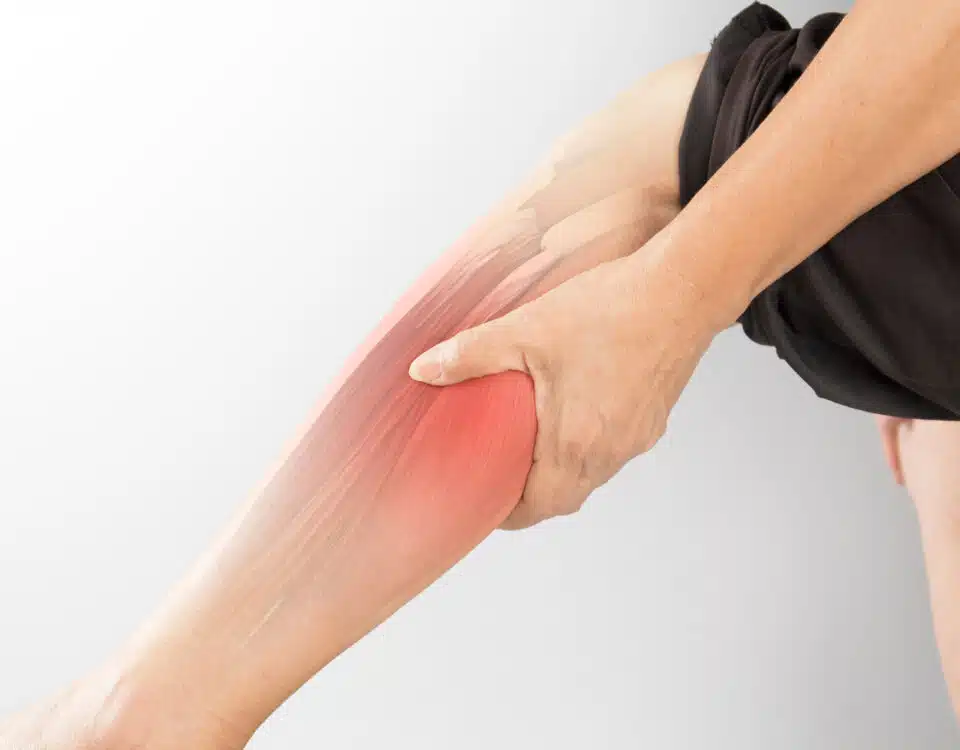
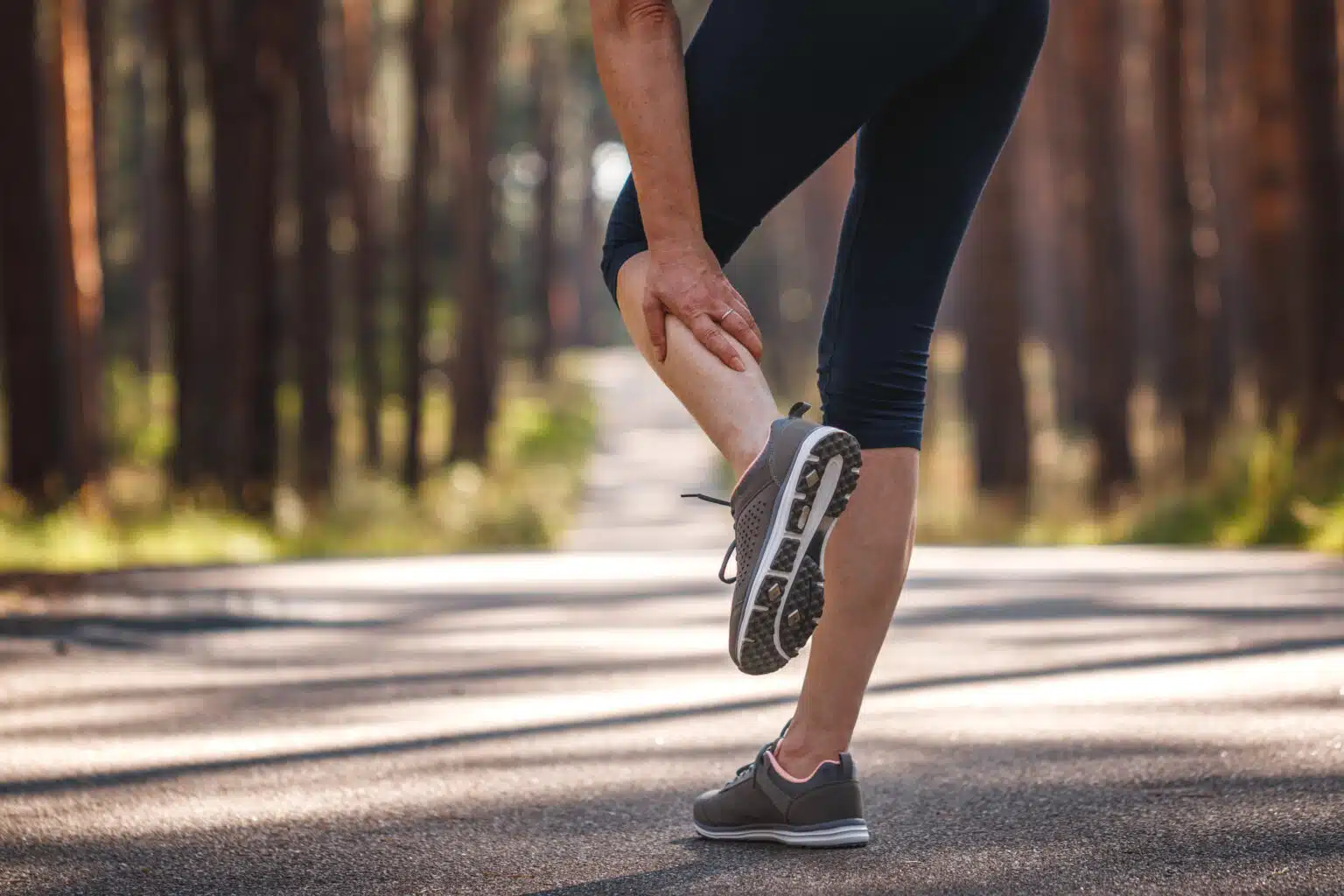
- Calves (also known as “charley horses”)
- Foot arches
- Hands
- Arms
- Abdomen
- Ribcage
Muscle Cramp Symptoms
When you have a muscle spasming, it can trigger a wide range of symptoms, including:
- Pain in the back, neck, arms, wrists, calves, feet, or practically any other body part
- Lack of response to stretching, which otherwise would solve minor muscle cramps
- Involuntary contractions that make your hands or feet jerk
- Tightness and irritation in the muscles
- Loss of movement and flexibility during the spasm
- Cramps that occur during exercise, certain times of the day, or when you are resting
Twitches, tremors, and other similar feelings are not the same thing as muscle spasms, and need to be treated separately. For many people, muscle cramps are uncomfortable and usually noticeable, however, some people can get by without noticing it happening for months — or even years.
Causes
Any activity that causes your muscles to be overworked can cause painful, temporary cramps. However, if your spasms come back day after day or mysteriously come and go, the cause could be:
- Alcoholism
- Renal diseases or obstructions
- Dehydration or electrolyte imbalance
- A wide variety of medications
- Heat, especially if you’re exercising in it
- Repetitive activities or muscle strain
- New activities and movements unfamiliar to you
- Artery blockages and narrowing that interferes with blood flow to the muscles
- Diabetes and other chronic illnesses
- Restless legs syndrome
Treatment
For minor, basic cramps, stretching and rest will typically relieve the pain. If your symptoms are caused by dehydration and it isn’t severe, you can resolve your spasms by drinking more water and electrolytes. However, when spasms are severe, they need to be treated by a medical professional, like one of our doctors here at Texas Spine and Sports Therapy Center. Our treatment options for muscle spasms include:
- Massage therapy, which helps release knotted muscles and soothe throbbing muscles
- Assisted stretching to relieve cramping in hard-to-access areas
- Further testing to check for deficiencies and chronic illnesses
- Chiropractic care that realigns the spine to relieve nerve pressure and stop back cramps
- Trigger point injections
Can You Prevent Muscle Spasms?
While these pains are usually not serious by themselves, they can be painful and disrupt your life. You might find luck in preventing muscle spasms by:
- Stretching before exercise and after
- Staying hydrated
- Correcting posture to reduce strain
- Sleeping on your back, using a pillow designed for proper neck support
- Keeping your chronic conditions under control
- Reporting disruptive side effects of medications to your doctor
- Checking your nutrient levels to rule out deficiencies in iron, magnesium, calcium, or potassium
Risk Factors for Spasms
While you can work to stay healthy and prevent these pains from occurring, sometimes there are factors that can increase your risk regardless. Those more at risk for the spastic episodes are those who are:
- Older in age and are losing muscle mass, which means the remaining muscle can become overstressed more easily
- Dehydrated, like athletes who participate in warm-weather sports and frequently develop muscle cramps
- Pregnant, since muscles are more known to cramp during pregnancy
- Diabetic or have nerve, liver, or thyroid disorders
Stop the Pain with Texas Spine and Sports Therapy Center
Low back pain or cramps in the calves can strike any moment. Some people experience this pain when they start exercising, while some might notice it when they’ve been sitting at the computer too long. No matter what type of muscle pain you’re struggling with, Texas Spine and Sports Therapy Center can help. Make an appointment with Dr. Shaner and our team at our convenient Austin, Texas office.