
Increase Your Athleticism with Massage Therapy and Active Release Technique
November 22, 2023
How Sciatica Affects Healthy Spines
December 8, 2023
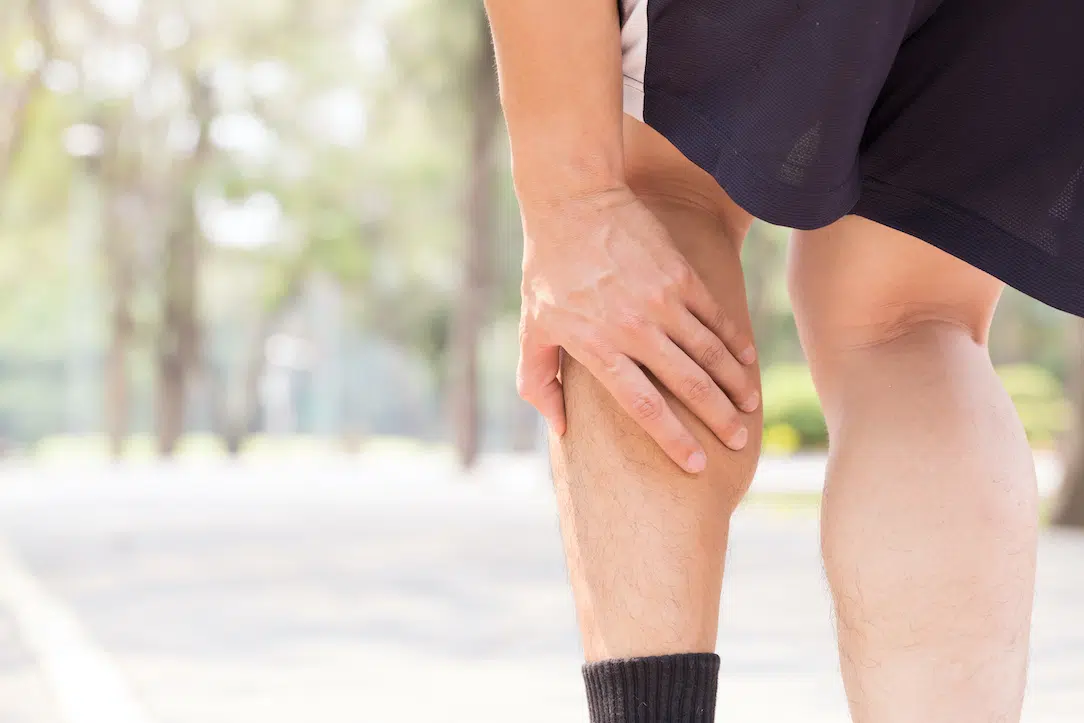
Muscle spasms can be incredibly uncomfortable and painful, causing involuntary contractions and aches in your muscles. They can be caused by a variety of factors, including dehydration, overuse, physical strain, or underlying medical conditions. Fortunately, there are a number of effective strategies you can use to manage muscle spasms and alleviate the pain. In this article, we’ll discuss what muscle spasms are, why they happen, and some great tips on how you can deal with them.
What are Muscle Spasms?
Muscle spasms, also known as muscle cramps, are sudden and involuntary contractions or tightening of a muscle. These contractions can last anywhere from a few seconds to several minutes and can occur in any muscle in the body. They are often accompanied by a sharp or stabbing pain that can be intense and uncomfortable.
Why Do Muscle Spasms Happen?
Muscle spasms can happen for a variety of reasons. Some common causes include:
- Dehydration: When your body is dehydrated, it can affect the nerves and muscles, leading to cramping and spasms.
- Overuse: If you engage in repetitive movements or physical activities that strain your muscles, it can cause them to cramp or spasm.
- Poor posture: Sitting or standing in the same position for extended periods can put pressure on certain muscles, leading to spasms.
- Nutritional deficiencies: Lack of certain minerals like calcium, magnesium, and potassium can contribute to muscle spasms.
- Medical conditions: Underlying medical conditions such as nerve damage, thyroid issues, or kidney disease can also cause muscle spasms.
Dealing with Muscle Spasms: Effective Strategies to Manage the Pain
Stay hydrated
If you’re experiencing muscle spasms, the first thing you want to do is ensure that you’re properly hydrated. Dehydration can cause muscles to cramp and spasm, so make sure you’re drinking plenty of fluids throughout the day. This is especially important when exercising or engaging in strenuous physical activities. Aim for at least 8 glasses of water per day, and consider adding electrolytes or sports drinks to help replenish your body’s fluids and minerals.
Stretch and massage
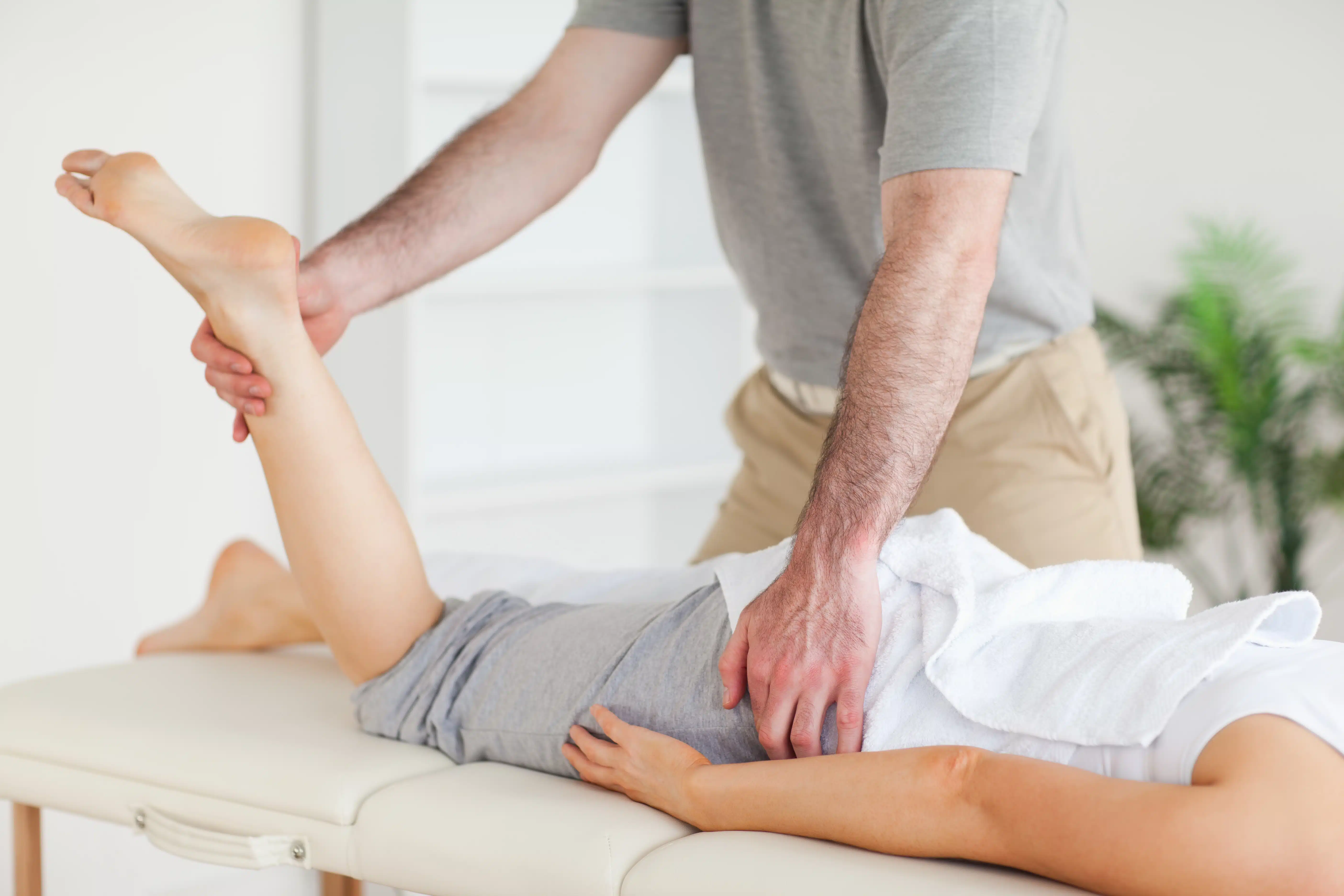
One of the most common remedies for muscle spasms is to stretch and massage the affected area. Gently stretching your muscles can help to relieve tension and provide some relief. Additionally, massaging the area can help to increase blood flow, reduce inflammation, and promote healing. Try using a foam roller or a massage ball to target specific areas of tension. Make sure to avoid overstretching, and be gentle with the affected area to avoid further pain.
Manage stress
Stress is a common trigger for muscle spasms, so it’s important to manage your stress levels as best you can. When you’re feeling stressed, your muscles become tense and can be more prone to spasms. Some great stress-relieving activities include meditation, yoga, deep breathing, or engaging in a calming hobby. Find whatever activity helps you best manage your stress, and make it a regular part of your routine.
Apply heat or cold
Another tried and true remedy for muscle spasms is to apply heat or cold to the affected area. Depending on the cause of your muscle spasms, you may want to use either heat or cold to alleviate the pain. For acute muscle spasms caused by injury or overuse, ice packs applied for 20 minutes at a time can help to reduce inflammation and alleviate the pain. If your muscle spasms are chronic or related to conditions like arthritis, heat therapy may be more effective. Try using a warm compress or taking a warm bath to help relax your muscles and reduce pain.
Seek medical assistance
Finally, if your muscle spasms persist or are accompanied by other symptoms like severe pain, swelling, or loss of mobility, it’s important to seek medical assistance. Your doctor may recommend physical therapy, medication, or other treatments to help alleviate your symptoms and address the underlying cause of your muscle spasms.
Muscle spasms can be a frustrating and painful experience, but there are plenty of strategies you can use to manage the pain and discomfort. By staying hydrated, stretching and massaging affected areas, managing stress, applying heat or cold, and seeking medical assistance if necessary, you can effectively deal with muscle spasms and get back to feeling like yourself again. Give these tips a try and see which ones work best for you – your muscles will thank you!
Make an Appointment with Texas Spine & Sports Therapy Center
If you’re experiencing chronic muscle spasms or other musculoskeletal issues, make an appointment with Texas Spine and Sports Therapy Center. Our experienced team can help assess your condition and provide personalized treatment plans to address your specific needs. Don’t let muscle spasms hold you back – contact us today to schedule your appointment!