
4 Reasons You Shouldn’t Ignore Neck Pain
April 7, 2022
Can Scoliosis Be Treated Without Surgery?
April 21, 2022
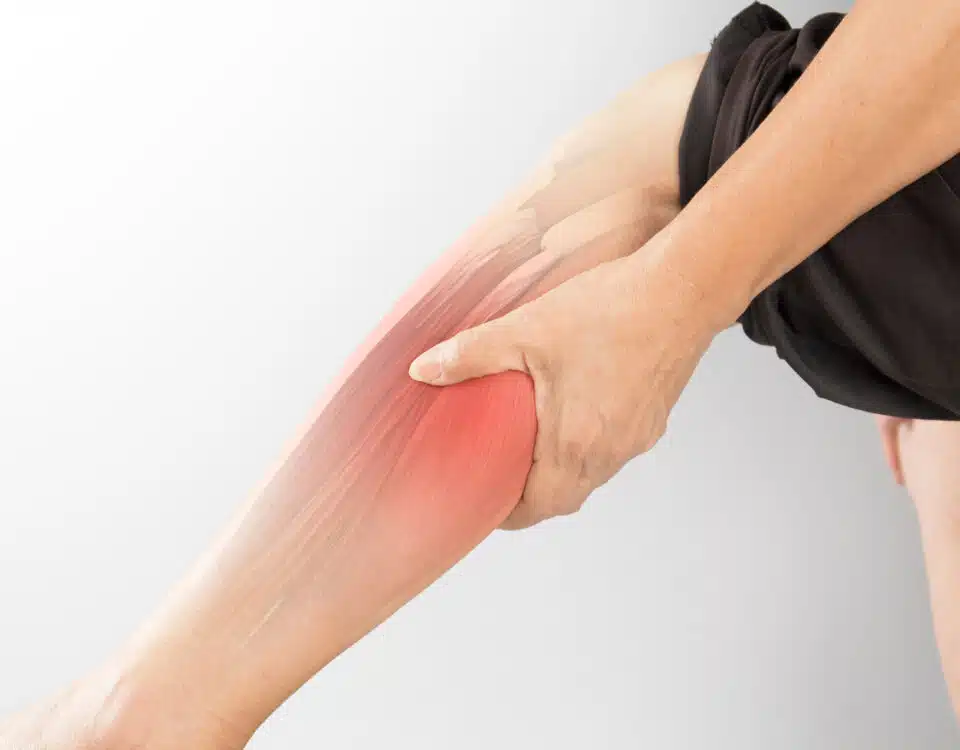
Muscle spasms are involuntary contractions of the muscle. While they can be quite painful, they can also provide valuable information about the health of your muscle tissue and nervous system. In this article, we will explore the causes and symptoms of muscle spasms, as well as how we can help you treat them right here in our Austin clinic.
What are Muscle Spasms?
As we stated before, muscle spasms are involuntary contractions of the muscle. This can be caused by a variety of things including:
- Dehydration
- Electrolyte imbalance
- Overuse or injury
- Muscle fatigue
- Nerve compression or irritation
What Causes Muscle Spasms?
Now that we know what a muscle spasm is, let’s take a closer look at some of the things that can cause them.
Dehydration
One of the most common causes of muscle spasms is dehydration. When you are dehydrated, your body does not have enough fluid to function properly. This can lead to electrolyte imbalances, which can then cause muscle spasms.
Electrolyte Imbalance
An electrolyte imbalance is another common cause of muscle spasms. This is because electrolytes help to regulate the body’s fluid levels. When they are out of balance, it can cause dehydration, which can then lead to muscle spasms.
Overuse or Injury
Overuse or injury to the muscle can also cause muscle spasms. This is because when the muscle is overworked, it can become tired and irritable. This can then lead to the muscle contracting involuntarily.
Nerve Compression or Irritation
Nerve compression or irritation can also cause muscle spasms. This is because when the nerve is compressed or irritated, it can send signals to the muscle that cause it to contract.
What are the Symptoms of Muscle Spasms?
The most common symptom of a muscle spasm is pain. This can be a sharp, shooting pain or a dull, throbbing pain. You may also feel a cramping sensation in the muscle. The muscle may also feel hard or knotted. In severe cases, the muscle may even spasm so forcefully that it causes a loss of control over the limb.
You can have a cramp in any muscle, but they happen most often in the:
- Thighs
- Feet
- Hands
- Arms
- Abdomen
- Area along your ribcage
Treatment Options
For a basic cramp, stretching and rest is usually sufficient. You should be able to solve dehydration and electrolyte problems on your own if they aren’t severe. However, the more severe causes of spasms should be properly treated by a professional at our Austin clinic. We can provide effective treatments like:
Massage Therapy
We offer massage therapy to release knotted muscles and soothe throbbing muscles. This can help muscle spasms by decreasing muscle tension and increasing blood flow to the area.
Assisted Stretching
Another common treatment for spasms is assisted stretching. Assisted stretching can help relieve cramping in hard to access areas like the back. This is done by our trained professionals who will gently stretch the muscle until the cramp subsides.
Trigger Point Injections
A trigger point injection is a treatment for spasms that are caused by nerve compression or irritation. The injection contains a local anesthetic and steroid. The anesthetic numbs the area and the steroid reduces inflammation. This can provide significant relief from muscle spasms.
Testing
Testing to rule out deficiencies and chronic illnesses is important to properly diagnosing and treating muscle spasms. This may include:
- Blood tests
- Urinalysis
- Electromyography (EMG)
- Nerve conduction studies
- Imaging tests like MRI or CT scan
Chiropractic Care
Another way to treat spasms is with chiropractic care. Chiropractic care can help realign the spine to relieve nerve pressure and stop back cramps. It can also improve blood flow and reduce inflammation.
Treatment at Home
Cleveland Clinic explains that when a spasm strikes, you might be exercising, simply sitting or even sleeping in the middle of the night. If only there was a magical injection that could instantly relieve your pain! There are, however, five steps you can take to try to get rid of the spasm:
- Stretch the affected area.
- Massage the affected area with your hands or a massage roller.
- Stand up and walk around.
- Apply heat or ice. Put an ice pack together or apply a heating pad, or take a nice warm bath.
- Take painkillers such as ibuprofen and acetaminophen
Treatment with Texas Spine and Sports Therapy Center
At Texas Spine and Sports Therapy Center, we offer a variety of treatments for muscle spasms. We will develop a treatment plan that is tailored to your specific needs. Our goal is to help you find relief from your pain and get you back to your normal life. Contact us today to schedule an appointment!