

Treating Back Pain During Pregnancy
April 30, 2021
National Women’s Checkup Day: How We Can Help Eliminate Pain
May 10, 2021
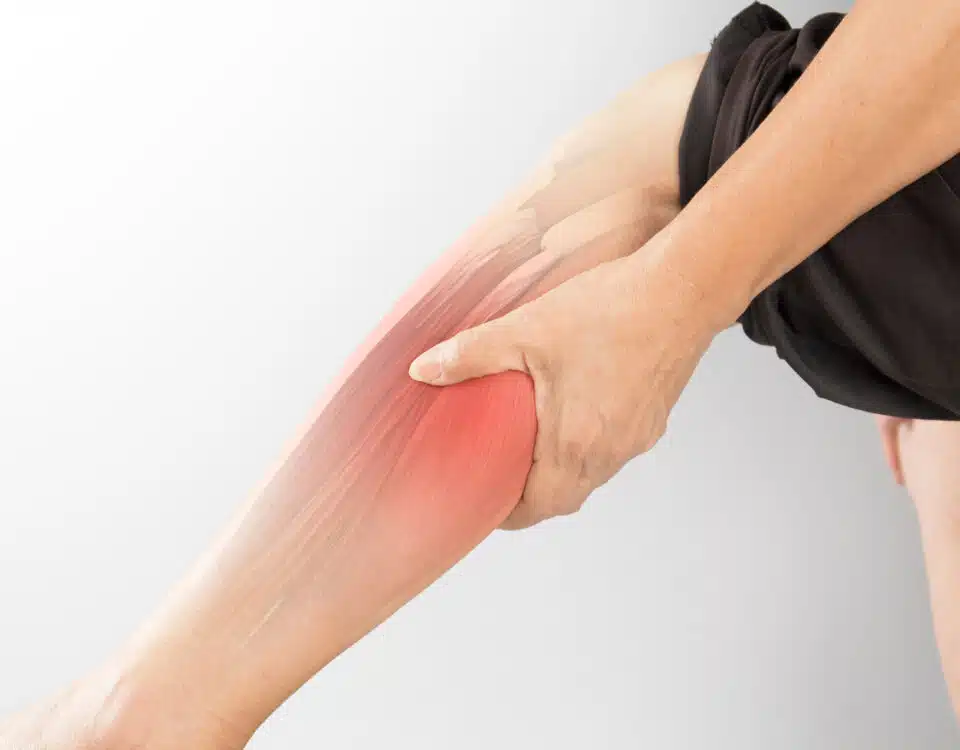
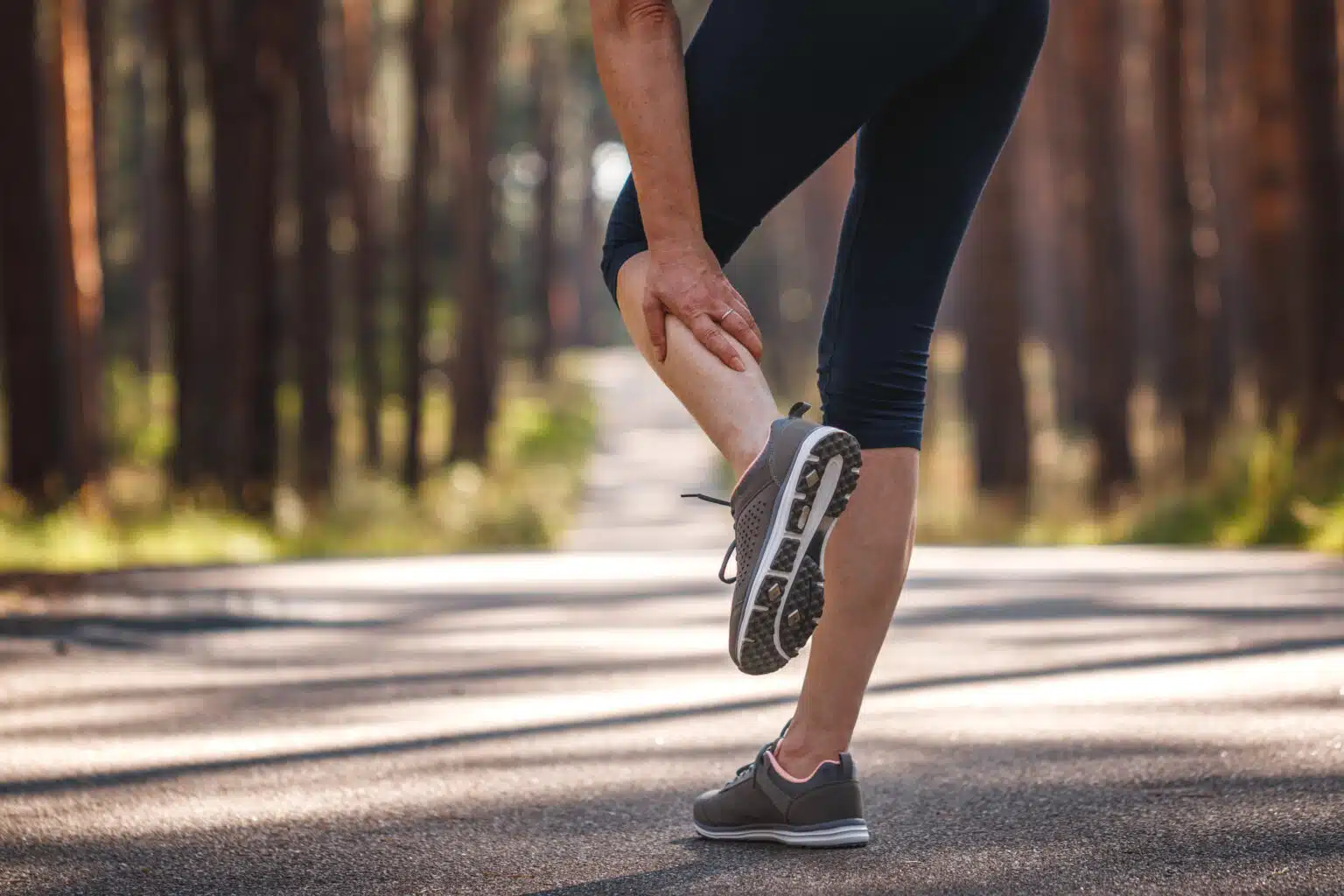
Some muscle spasms set in while you are exercising, while others creep up unnoticed until the pain and tension interrupts your daily life. No matter what type of muscle spasm you are currently struggling with, visiting Texas Spine and Sports Therapy Center could help you resolve your symptoms.
What is a Muscle Spasm?
As you move throughout the day, your muscles tense and relax to help you with all of your daily tasks. Like reaching for a bowl in the cabinet or swinging a golf club, your muscles are constantly helping you move. Injury and illness can cause nearly any voluntary muscle in the body to tense up and fail to relax again. The tension can last constantly or it can come and go. Twitches, tremors, and similar feelings are separate problems that need to be handled separately.
Muscle spasms, also known as muscle cramps, are painful contractions and tightening of your muscles. Cleveland Clinic explains that they’re common, involuntary, and often unpredictable.
Causes of Muscle Spasms
Many muscle cramps are idiopathic and the cause isn’t known. However, some experts believe that some of the following could be to blame for these spasms in most cases:
- Not enough stretching
- Muscle fatigue
- Exercising in the heat
- Dehydration
- Depletion of electrolytes (salt and minerals such as potassium, magnesium, and calcium)
- Involuntary nerve discharges
- Restriction in the blood supply
- Stress
- Too much high-intensity exercise
- Sitting for long periods of time
- Overusing the muscles
- Standing or working on concrete floors
- Sitting improperly
Signs of Muscle Spasms
Inflamed and tensed muscles can trigger a wide range of disruptive symptoms which include:
- Pain in the back, neck, arms, wrists, calves, feet, or practically any other body part.
- Lack of response to stretching, which usually resolves minor muscle cramps.
- Involuntary contractions that make your hands or feet jerk.
- Tightness and irritation in the muscles.
- Loss of movement and flexibility during the spasm.
- Cramps that occur during exercise, certain times of the day, or when you are resting.
Muscle Spasm Treatment
At-Home
For minor cramps, stretching and ample rest is normally enough to help the issue. With cramps caused by dehydration and electrolyte problems, you can also solve those on your own at home. Other at-home treatments you can try include:
- Stop doing the activity that triggered the cramp.
- Gently stretch and massage the cramping muscle, holding it in a stretched position until the cramp stops.
- For a calf cramp, put your weight on the cramped leg and bend the knee slightly. If you’re unable to stand, try pulling the top of your foot on the affected side toward your head while your leg is in a straightened position. This will also help ease a back thigh (hamstring) cramp.
- For a front thigh (quadricep) cramp, use a chair to steady yourself and try pulling your foot on the effect side towards the buttock.
- Apply heat to tense/tight muscles or cold to sore/tender muscles.
Professional Treatment
Alternatively, more severe cases of spasms should be properly treated with a team of professionals — like ours here at Texas Spine and Sports Therapy Center. The treatments we offer to help those with these painful spasms include:
- Massage therapy to release knotted muscles and soothe throbbing muscles.
- Assisted stretching that relieves cramping in hard-to-access areas.
- Testing to rule out deficiencies and chronic illnesses.
- Chiropractic care that realigns the spine to relieve nerve pressure and stop back cramps.
- Trigger point injections.
Avoiding Muscle Spasms
While muscle spasms aren’t typically serious on their own, they can be painful. Choosing to find treatment could help you discover an underlying health issue that you were unaware of beforehand. We find that most people can avoid muscle cramps by:
- Stretching fully before exercise and warming up slowly as you begin to work out.
- Stay hydrated and try a sports drink for electrolytes.
- Correcting your posture to reduce strain.
- Sleeping on your back and using a pillow designed for proper neck support.
- Keep your chronic conditions under control.
- Reporting disruptive side effects from medications to your doctor.
- Checking your nutrient levels to rule out deficiencies in iron, magnesium, calcium, or potassium.
Make an Appointment with Texas Spine and Sports Therapy Center
If you are suffering from muscle spasms, you deserve to find an answer. Dr. Shaner and our team at Texas Spine and Sports Therapy Center are here for you. Our therapy center provides individualized treatment plans for muscle spasms in Austin and can help you understand what the source of your pain is and what you need to do to improve. Make an appointment with us today by calling (512)-806-0015.