


Treatment for Migraine Headaches at Texas Spine & Sports Therapy Center
September 2, 2026
Active Release Techniques Can Remove Adhesions That Impair Your Range of Motion
September 24, 2026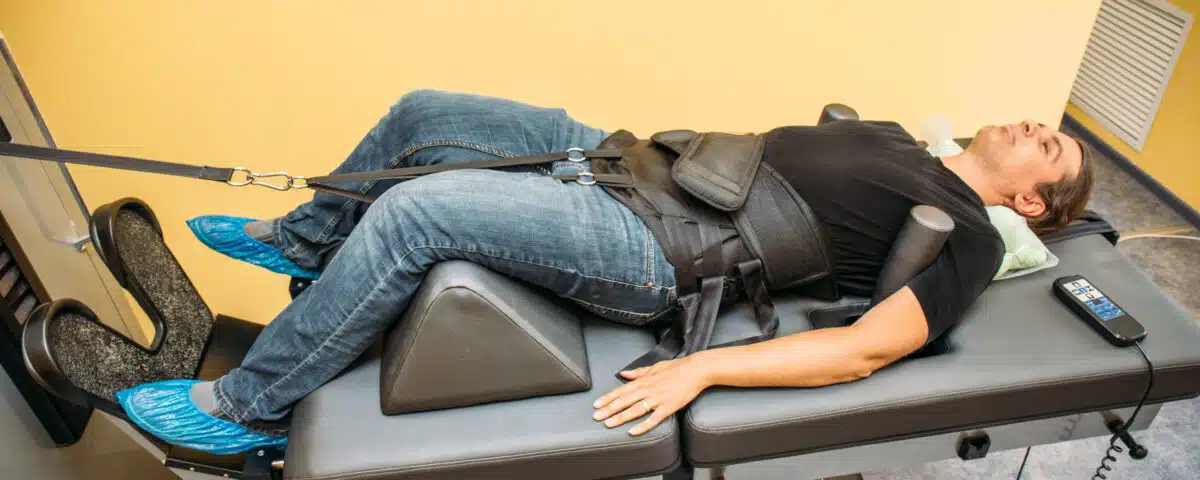
If you deal with ongoing neck or back pain, finding lasting relief can become a priority. Many people want options that don’t involve medication, surgery, or a lengthy recovery.
At Texas Spine & Sports Therapy Center, we offer spinal decompression therapy as a non-surgical option for certain types of disc-related pain.
Injury, degeneration, and everyday stress on the spine can affect the soft discs between your vertebrae. When a disc bulges or herniates, it may irritate or place pressure on nearby nerves. This can contribute to back pain, neck pain, numbness, tingling, or pain that travels into the arms or legs.
Spinal decompression gently stretches the spine to reduce pressure and create an environment that may support the body’s natural healing processes.
Spinal Decompression Treats These Common Conditions
Spinal decompression isn’t appropriate for every type of back or neck pain. However, it may be an option for certain conditions involving spinal discs and nerve irritation.
The first step is determining what’s causing your symptoms. At Texas Spine & Sports Therapy Center, we evaluate your spine and health history before recommending treatment.
Spinal decompression may be considered for conditions such as degenerative disc disease, bulging or herniated discs, and certain cases of sciatica.
Degenerative Disc Disease
Spinal discs naturally change with age. Over time, they may lose water content, become thinner, and provide less cushioning between the vertebrae.
These changes are commonly known as degenerative disc disease. Some people experience no symptoms, while others develop stiffness, aching, or chronic neck or back pain.
Spinal decompression gently stretches the spine and reduces pressure on affected areas. This process may help promote the movement of water, oxygen, and nutrients into the discs.
The goal is to support a healthier environment around the affected spinal structures while improving comfort and mobility.
Bulging or Herniated Discs
A spinal disc has a soft inner portion surrounded by a stronger outer layer. When disc material pushes outward, the disc may bulge or herniate.
If the affected disc irritates a nearby nerve, symptoms can include pain, numbness, tingling, or weakness.
Spinal decompression creates controlled changes in pressure within the spine. This may reduce stress on the affected disc and nearby nerves.
For appropriate patients, it provides a non-surgical option for managing symptoms associated with disc problems.
Radiating Leg Pain – Sciatica
Sciatica commonly causes pain that travels from the lower back or buttock into the leg. Some people also experience numbness, tingling, or weakness.
Sciatica occurs when the sciatic nerve or its contributing nerve roots become irritated or compressed. A bulging or herniated disc in the lower spine is one possible cause.
Lumbar spinal decompression focuses on gently reducing pressure within the lower spine. When disc-related nerve irritation contributes to sciatica, decompression may help reduce pressure and improve symptoms.
Because sciatica can have different causes, an evaluation is important before beginning treatment.
Decompression Therapy Heals Your Spine from Within
Spinal discs act as cushions between your vertebrae. They help absorb forces and allow the spine to move comfortably.
When a disc becomes injured or changes with age, it may lose hydration and flexibility. It can also bulge or herniate and potentially irritate nearby nerves.
Spinal decompression uses controlled, gentle stretching to address pressure within the spine.
At Texas Spine & Sports Therapy Center, a computerized decompression table allows us to apply specific amounts of traction based on the patient’s needs. The table alternates between periods of gentle stretching and relaxation.
This controlled approach differs from simply pulling or stretching the spine.
Spinal Decompression Therapy Creates the Environment for Natural Healing
Spinal decompression alternates gentle stretching with periods of relaxation. The goal is to reduce pressure within targeted areas of the spine while keeping the treatment comfortable.
This process may provide two important benefits:
- Reducing Disc Pressure: Controlled decompression may decrease pressure on an affected disc and nearby nerve structures. This can be helpful when a bulging or herniated disc contributes to symptoms.
- Supporting Disc Hydration: Changes in pressure may encourage the movement of water, oxygen, and nutrients into the disc. These nutrients help support the tissues and the body’s natural healing processes.
Spinal decompression doesn’t instantly repair a damaged disc. Instead, it aims to create conditions that may support recovery while reducing mechanical stress.
A Gentle Path to Lasting Relief
Spinal decompression is non-invasive and doesn’t require surgery or injections.
Treatment plans often involve a series of sessions rather than a single appointment. Each session builds on the overall treatment plan while giving the spine time to respond.
Depending on your condition, decompression may also be combined with chiropractic care, therapeutic exercises, mobility work, or other conservative treatments.
The goal is not simply short-term relief. We also want to improve movement and help you return to everyday activities more comfortably.
Does Spinal Decompression Therapy Work?
Results from spinal decompression vary depending on the individual and the cause of the pain.
For appropriate patients, spinal decompression may help reduce symptoms related to certain disc problems and nerve irritation. One of its biggest advantages is that it provides a non-surgical treatment option.
There are no incisions or lengthy surgical recovery periods.
At Texas Spine & Sports Therapy Center, we don’t simply focus on where you hurt. We evaluate potential factors contributing to your symptoms and develop a treatment plan based on your individual needs.
Our goal is to help you move more comfortably and get back to the activities that matter to you.
Is Spinal Decompression the Right Choice for You?
Spinal decompression can be a helpful option for certain types of neck and back pain, but it isn’t right for every patient or condition.
That’s why treatment begins with an evaluation.
We review your symptoms, health history, and spinal condition to determine whether decompression therapy may be appropriate. If another approach makes more sense, your treatment plan should reflect that.
At Texas Spine & Sports Therapy Center, we’re committed to providing individualized, conservative care for our Austin-area patients.
Ready to find out if spinal decompression may be right for you? Schedule a consultation by calling (512) 806-0015 or contacting Texas Spine & Sports Therapy Center online. Take the first step toward moving more comfortably and getting back to the activities you enjoy.


