Spinal Decompression Therapy Offers Hope for Those Dealing with Neck or Back Pain
September 9, 2026
Is Low Back Pain Getting You Down?
October 1, 2026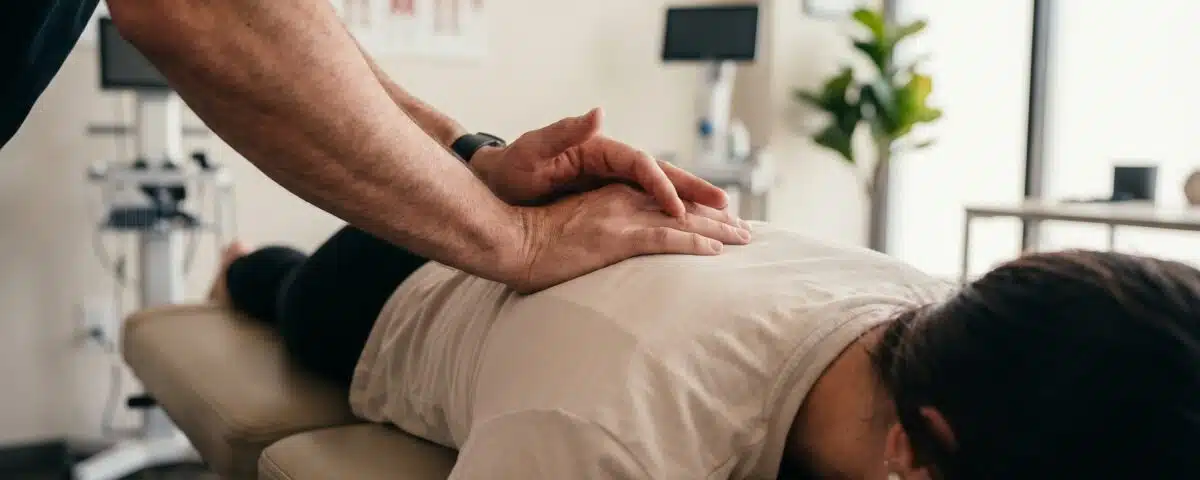
Active Release Techniques (ART) is a soft tissue procedure that chiropractors at Texas Spine & Sports Therapy Center use to focus on releasing tissue tension by way of removing adhesions which develop in tissues due to an overload of repetitive use. These ailments often lead to muscular fragility, tingling and numbness, aching, and burning. ART is both a diagnostic and a treatment technique. The active release technique (ART) is a manual therapy for the recovery of soft tissue function that involves the removal of scar tissue, which can cause pain, stiffness, muscle weakness, and abnormal sensations including mechanical dysfunction in the muscles, myofascia, and soft tissue.
Active Release Technique (ART) is a patented, hands-on soft tissue therapy designed to locate and break down scar tissue and adhesions in muscles, tendons, ligaments, fascia, and nerves.
ART is used to treat symptoms with ligaments, muscles, tendons, fascia, and nerves. Its purpose is to:
- Restore unimpeded motion of soft tissues
- Release lymphatics, entrapped nerve
- Re-establish optimum resilience, texture, and function of soft tissues
What Diagnoses can ART Treat?
ART is effective for various soft tissue conditions, especially those caused by overuse. Some of the more commonly injuries that benefit from ART include the following:
- Carpal tunnel syndrome
- Chronic neck pain
- Hamstring strain
- Low back pain
- Plantar fasciitis
- Tennis elbow
What Should You Expect During an ART Treatment Session?
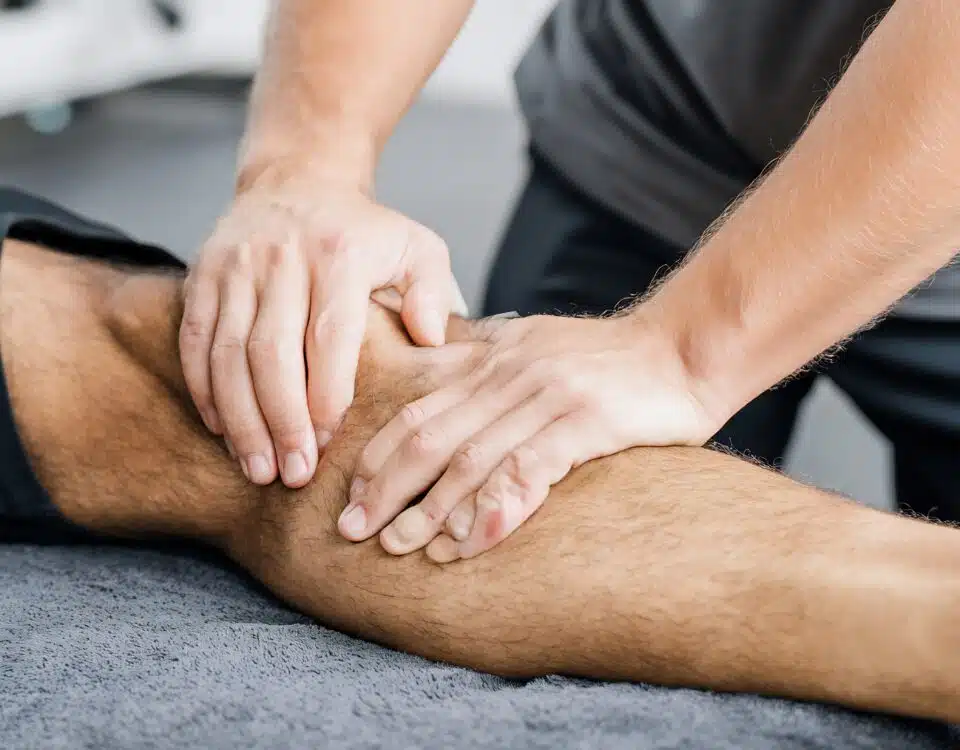
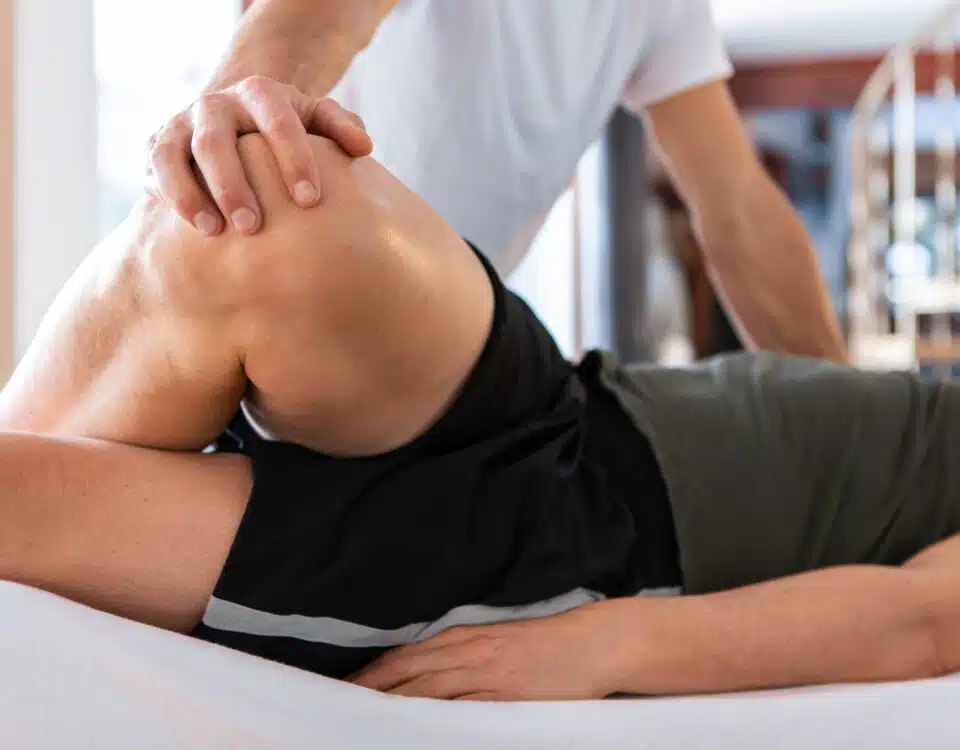
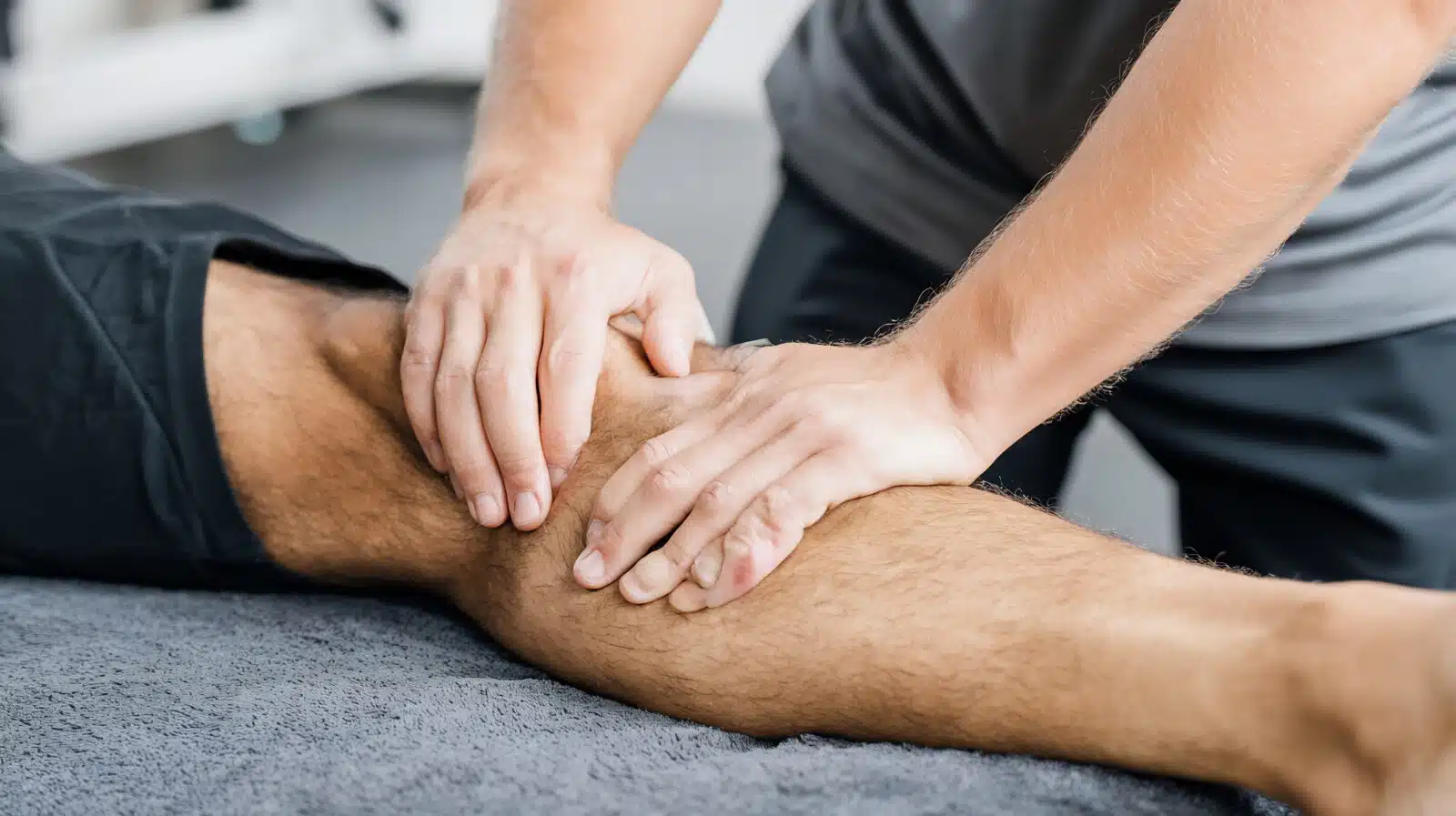
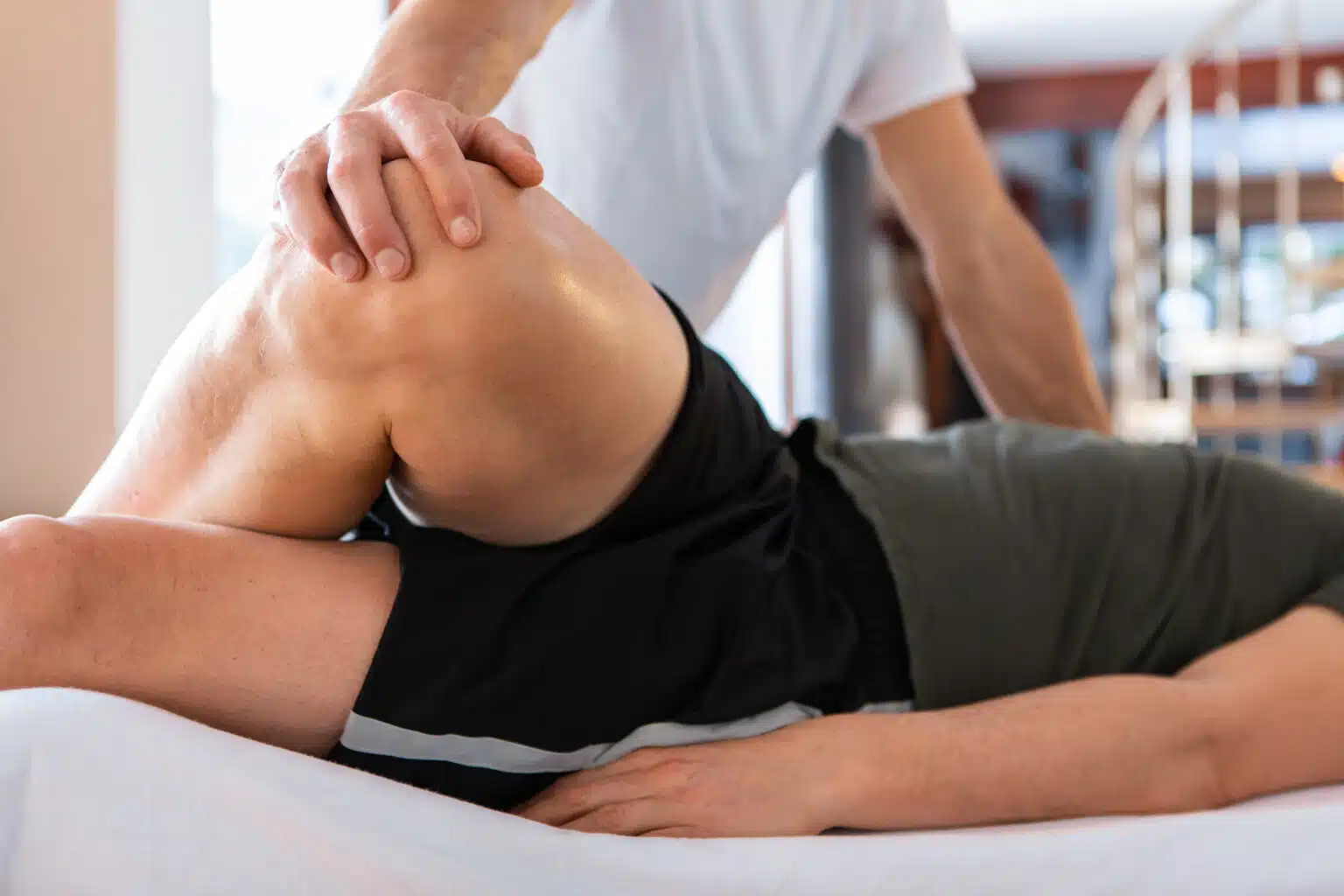
During an ART session, the chiropractor will evaluate the affected area for movement restrictions, tissue tension, and points of tenderness. Once a restriction is distinguished, the chiropractor will apply a deep, precise pressure into the contact point. The therapist will then instruct the patient to actively move the joint nearest to the injury site, from a shortened to a lengthened position. This process may be slightly uncomfortable to the patient, but it shouldn’t be painful.
The deep pressure into the point of tenderness combined with the elongated sliding of the soft tissue helps to lessen tension and pain in the spot of tenderness. ART is typically performed in conjunction with other therapeutic treatments such as strengthening exercises, stretching, balance training and cardiovascular conditioning to support a full treatment program.
How Does the ART Technique Work?
Tissues are susceptible to negative changes from trauma, such as swelling, fibrosis and adhesions. During treatment, the chiropractor uses manual therapy to apply compressive stretching to address the repetitive strain injuries, continuous pressure tension lesions, and accumulative trauma injuries. The chiropractor applies concentrated tension in the area of tenderness while the patient is coached to actively move the injury site from a shortened to a lengthened position. The placing of a contact point near the lesion and causing the patient to move in a manner that produces a lengthwise sliding motion of ligaments, muscles, soft tissues, and nerves beneath the contact point.
Once the restrictive adhesions between tissues have been released, post treatment exercises become a vital part of the rehabilitation process to ensure the symptoms don’t return.
There are 4 Crucial Areas That Should be Addressed in Any Exercise Program:
- Cardiovascular: Aerobic exercise is essential for increasing oxygen and restoring good circulation distribution to soft tissues. Poor circulation and lack of oxygen will speed up a repetitive injury.
- Flexibility: Good flexibility enables joints and muscles to move through their full range of motion. Poor flexibility leads to a greater chance of injury to tendons, muscles, and ligaments. Flexibility is joint specific; a person may have a tremendous range of motion at one joint yet be restricted in another. Stretching exercises are only successful if they are performed after the adhesions within the soft tissue have been released. Stretching exercises that are used prior to the adhesions being released will only stretch the tissues above and below the restrictions. The actual adhered and restricted tissues are seldom stretched, leading to further biomechanical inequalities.
- Proprioception and balance: Proprioception depicts the body’s ability to react appropriately through balance and touch to peripheral forces. Proprioception exercises should begin early in the rehabilitation process. Effective proprioception exercises are designed to restore the kinesthetic ability to perceive limb positions, body movements, and muscle force without needing to look at your body parts. These exercises form the basis for strength, agility, and the endurance required for complete rehabilitation.
- Strength: Strengthening exercises are most effective after ART treatment. Efforts to strengthen contracted and shortened muscles may result in additional contraction and restriction. This causes the development of more restrictions and adhesions within the tissues, intensifying the repetitive injury cycle.
How Does ART Work?
- Active Movement: Unlike standard massage, the chiropractor applies tension to a restricted area while you actively move the involved muscle or joint from a shortened to a lengthened position.
- Reestablishing Proper Glide: This sliding motion helps free up tissues that are stuck, reduces tension, re-establishes nerve tracking and normal blood flow.
- Session Length: A standard ART session takes about 15 to 20 minutes, and many conditions show improvement within 3 to 5 sessions.
ART is successful for active people of every level. It can provide patients with a means to improve their sports performance by releasing restrictions that decrease their performance in their activities. This typically occurs after the chiropractor conducts a biomechanical examination of the patient’s motion. During the biomechanical exploration and subsequent treatment, the chiropractor:
- Evaluates posture, gait, and motion.
- Identifies the biomechanical dysfunctions that are constraining the performance.
- Discovers the soft tissue structures that are the primary cause of the dysfunction as well as the affected structures through the kinetic chain.
- Treats the soft tissue dysfunctions with ART to reestablish full function to the implicated areas.
ART is also effective at reducing pain and increasing range of motion in patients with a partial tear of the supraspinatus tendon in the upper arm bone near the rotator cuff. Many patients with chronic neck pain experience pain and limitations in movement as a result of soft tissue impairment in the neck.
If you are interested in learning more about Active Release Technique or setting up a free consultation, contact Texas Spine & Sports Therapy Center in Austin. Our chiropractors are trained in ART and can provide ART treatment sessions. To schedule an appointment, call (512) 806-0015, or contact us online.