

What Fatigue Could be Telling You About Your Health
June 3, 2022
How to Fight Tension in Your Body and Reduce Stress
June 17, 2022
Do you find yourself restless at night? Can’t seem to get comfortable, no matter what you do? You might be suffering from restless leg syndrome. This condition can keep you up at night and make it difficult to get the rest you need. If you’re experiencing these symptoms, it’s time to make an appointment with Texas Spine and Sports Therapy Center. Here at our Austin clinic, we can help diagnose restless leg syndrome and provide treatment that will help you get the relief you need.
What is Restless Leg Syndrome?
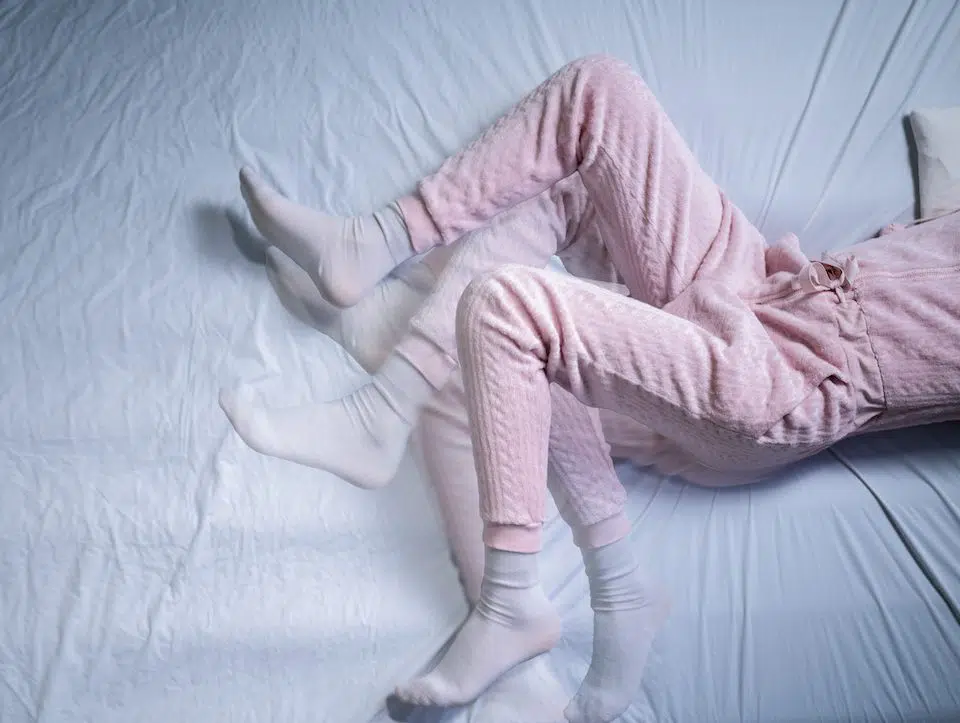
Restless leg syndrome (RLS) is a condition that causes an irresistible urge to move your legs. This urge is often accompanied by a tingling or prickling sensation in the legs. RLS can occur at any time, but it is most common at night, when you are trying to sleep. The condition can make it difficult to get the rest you need and can cause daytime fatigue.
Types of RLS
There are two types of RLS: primary and secondary. Primary RLS is the most common type and is not caused by another medical condition. Secondary RLS is less common and is caused by another medical condition, such as iron deficiency, pregnancy, or kidney failure.
Causes
Unfortunately, many cases of RLS are diagnosed as idiopathic. This means that there is no specific or known cause for the symptoms. However, other cases may be caused by:
- Pregnancy complications
- Anemia and iron deficiency
- Kidney disease, damage, or failure
- Peripheral neuropathy, which is a disorder that involves nerve inflammation in any quadrant of the body
- Heredity
- Chronic diseases like Parkinson’s Disease and diabetes
- Medications that affect the nerves, such as antidepressants and allergy treatments
- Alcohol sensitivity and heavy drinking
RLS Symptoms
RLS symptoms can vary from person to person. The most common symptom is the urge to move your legs, which is often accompanied by a tingling or prickling sensation. Specific characteristics of RLS include:
- Uncomfortable feelings of “pulling, searing, drawing, tingling, bubbling, or crawling” beneath the skin, usually in the calf area, causing an irresistible urge to move the legs. These sensations occur mostly in the lower legs, but they can sometimes affect the thighs, feet, and even in the arms. These may be the first symptoms of RLS in some people.
- Semi-rhythmic movements during sleep are known as periodic limb movement disorder (PLMD), which occurs in about 4 out of 5 patients with RLS. See description below.
- Itching and pain, particularly aching pain.
- Symptoms usually occur at night when people are most relaxed, with their legs at rest, lying down. In more severe cases, symptoms also occur during the day while sitting. Movement relieves the symptoms.
- RLS episodes usually occur between 10 p.m. and 4 a.m. Symptoms are often worse shortly after midnight and disappear by morning. If the condition becomes more severe, people may begin to have symptoms during the day, but the problem is always worse at night.
- Disturbed nighttime sleep due to the unpleasant sensations and strong urge to move the legs. Resisting the urge to move the legs usually leads to tension build up until the legs jerk uncontrollably. People who experience daytime symptoms may find it difficult to sit during air or car travel, or through classes or meetings. People may feel excessively tired during the daytime as a result of inadequate or poor sleep.
Diagnosing RLS
If you think you might have RLS, it’s important to see a doctor for a diagnosis. Your doctor will ask about your symptoms and medical history. He or she may also order a blood test to check for iron deficiency.
Treating RLS
There is no cure for RLS, but there are treatments that can help relieve the symptoms. Unless a specific nerve compression issue is diagnosed, most treatment plans aim to control the symptoms. Occasional treatments may yield surprising relief. We offer treatments in our Austin office that include:
- Massage to relieve muscle tension from stress and fatigue
- Chiropractic adjustment if misalignment is suspected to be the cause
- Electrostimulation for overactive nerves
- Stretches and exercise techniques to keep the muscles from twitching and cramping all night
- Nutritional supplements
- Peripheral neuropathy treatment
Make an Appointment with Texas Spine and Sports Therapy Center
One visit to Texas Spine and Sports Therapy Center can help you determine why you are experiencing numbness & tingling every night. Life will become far more enjoyable once you feel comfortable sitting still for a few hours to dine with friends or take in a film. If you aren’t sure if your symptoms are linked to Restless Leg Syndrome or another nerve issue, come in for a full consultation. Make an appointment today!