

Does Wrist Pain Mean I Have Carpal Tunnel Syndrome?
September 17, 2021
The Proper Running Form to Protect Your Health
September 28, 2021
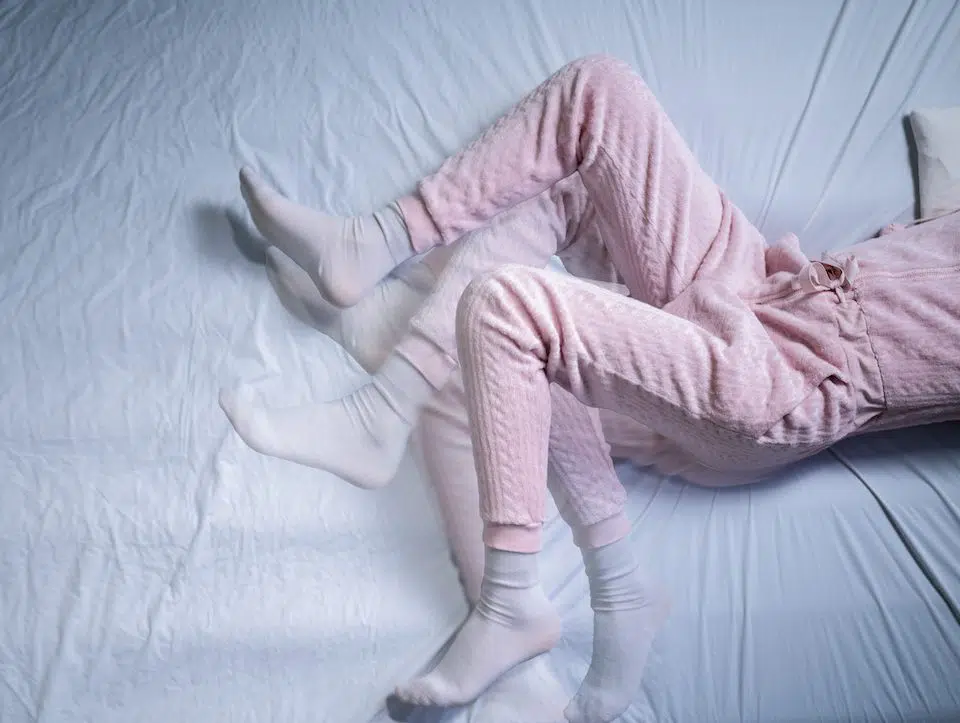
Restless legs syndrome (RLS) is a neurological disorder that affects the nerves of the legs. It can be quite irritating due to how it prevents you from getting comfortable when you’re trying to relax and watch TV, sleep at night, or even when you’re taking a ride in your car. If you suffer from RLS, learn more today about how we can help you right here in our convenient Austin, Texas office.
What is Restless Legs Syndrome?
Restless legs syndrome is a condition that typically affects the legs when a person is resting. This can be when a person is just trying to sit down to dinner, watch TV on the couch, or while in bed at night trying to fall asleep. The condition is known to be neurological because of how it involves uncomfortable sensations in the nerves of the legs, known as Dysethesias.
Dysethesias means ‘abnormal sensation.’ It usually involves a painful burning, prickling, or aching feeling that happens in the legs or feet. However, it can also occur in the arms. Sometimes, the pain may come and leave quickly, but other times it can be chronic and long lasting.
Symptoms of RLS
The same symptoms that come along in the legs with RLS can also occur in the arms, hands, and even feet. Symptoms of restless legs syndrome include:
- Discomfort in the limbs in the form of tingling, burning, cramping, or being itchy.
- Insect-like crawling sensations.
- The feeling of tension or needing to move.
- Constant waking in the night because of leg sensations or the need to get out of bed.
- Inability to sit, stand still, or lie down for more than 30 minutes at a time.
- Relief in leg sensations when swinging the limbs, flexing the muscles, or pacing around the room.
The Causes
RLS has been found to be a genetic syndrome in some cases, meaning that parents with RLS could potentially pass it down to their children. In fact, Cleveland Clinic explains that up to 92% of patients with RLS have a first-degree relative with the same disorder. These patients usually have symptoms that appear earlier in life than those who don’t have the genetic link. In addition to being genetic, RLS can also be the result of different medical problems, such as:
- Iron deficiency
- Worsening kidney function, a condition known as Uremia
- Hypothyroidism
- Depression
- Fibromyalgia
- Parkinson’s disease
- Kidney disease
- Diabetes
- Rheumatoid arthritis
- Peripheral neuropathy
- Pregnancy
- Dialysis
Further, certain medications you take could also contribute to the development of RLS. Medicines like antidepressants, allergy medication, anti-nausea medication, and more. Additionally, caffeine, nicotine, and alcohol can worsen symptoms.
Who is Most at Risk?
In addition to the causes mentioned above, certain patients are more at risk for developing RLS. While some risk factors can’t be changed, certain lifestyle choices can be changed to help you lower your risk. Risk factors for developing RLS include:
- Gender – women have a higher probability of developing RLS.
- Age – while it can occur in childhood, it typically affects middle-aged adults.
- Medications – like we mentioned above, taking antidepressants or antihistamines can trigger RLS.
- Sleep deprivation – the less sleep you get from RLS, the more severe the symptoms can become.
Treating Restless Legs Syndrome
Unless a specific nerve compression issue is diagnosed, most treatment plans will work to control the symptoms. Occasional treatments may yield surprising relief. At Texas Spine and Sports Therapy Center, we offer:
- Massage therapy to relieve muscle tension from stress and fatigue.
- Chiropractic adjustment if misalignment is suspected to be the cause.
- Electrostimulation for overactive nerves.
- Stretches and exercise techniques to keep the muscles from twitching and cramping all night.
- Nutritional supplements.
- Peripheral neuropathy treatment.
Get Rest Again with Texas Spine and Sports Therapy Center
If you feel any of the symptoms detailed in this article, one visit to Texas Spine and Sports Therapy Center can help you determine why you are experiencing RLS. By making an appointment sooner rather than later, life can become far more enjoyable more quickly — when you once again feel comfortable sitting for a few hours to have dinner with your family or go to the movies. If you’re not sure whether or not your symptoms align with RLS or could be due to another nerve issue, come in for a full consultation with our team right here in Austin.
To make an appointment with us, click here or call us at (512)-806-0015. You deserve a life where you rest well and feel energized each day to go to work, care for your loved ones, and have fun with your hobbies. Let our team get you back on your feet!