

Are You at Risk for Herniating a Disc?
May 3, 2024
5 Tips to Fight Sciatica from Texas Spine & Sports Therapy Center
May 16, 2024
Muscle spasms can strike when you least expect it, turning an ordinary day into a painful ordeal. Whether it’s a sudden tightness in your back while bending over or a sharp pain in your leg in the middle of the night, muscle spasms are both common and incredibly uncomfortable. Fortunately, the experts at Texas Spine & Sports Therapy Center have compiled a list of effective strategies to help you fight back against muscle spasms. Here’s what you need to know to keep your muscles relaxed and healthy.
Understanding Muscle Spasms
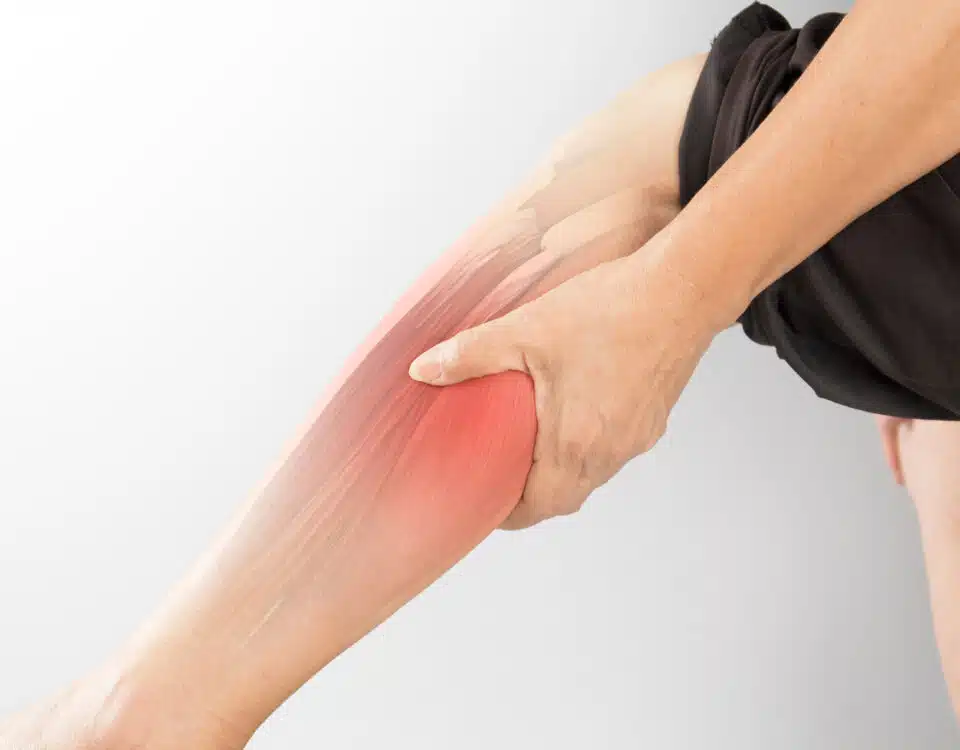
Before we dive into the solutions, it’s crucial to understand what muscle spasms are and why they occur. A muscle spasm is an involuntary contraction of one or more muscles. These can happen in any muscle of the body and are often a response to muscle overuse, dehydration, or electrolyte abnormalities. Sometimes, they may also signal an underlying medical condition, making it important to seek professional advice if spasms are frequent and severe.
Hydration is Key
One of the simplest yet most effective ways to prevent muscle spasms is to stay hydrated. Dehydration can lead to electrolyte imbalances in the body, contributing to cramps and spasms. The specialists at Texas Spine & Sports Therapy Center recommend drinking plenty of water throughout the day, especially before, during, and after exercise. If you’re particularly active or it’s a hot day, consider beverages with electrolytes to help maintain the balance necessary for muscle function.
Stretch and Strengthen
Regular stretching and strengthening exercises can significantly reduce the risk of muscle spasms. Focus on exercises that enhance flexibility and strengthen the muscles around your core and spine. Yoga and Pilates are excellent options for building a strong, flexible body less prone to spasms. Remember, consistency is key—make stretching a daily routine to reap the benefits.
Improve Your Diet
What you eat plays a critical role in muscle health. A diet rich in magnesium, potassium, and calcium can help prevent muscle spasms by maintaining proper electrolyte levels in the body. Foods like bananas, avocados, spinach, and yogurt are great sources of these essential minerals. Additionally, Texas Spine & Sports Therapy Center suggests incorporating plenty of fruits, vegetables, and lean proteins into your diet to support overall muscle function and recovery.
Practice Good Posture
Poor posture can strain your muscles, leading to spasms and discomfort, especially in the back and neck. Be mindful of your posture when sitting, standing, and lifting objects. Ensure your workstation is ergonomically set up to support good posture and take frequent breaks to stretch if you spend long hours at a desk.
Heat and Ice Therapy
For immediate relief from a muscle spasm, heat and ice therapy can be highly effective. Heat therapy relaxes tight muscles, while ice therapy reduces inflammation and numbs pain. The experts at Texas Spine & Sports Therapy Center recommend applying a warm towel or heating pad to the affected area for 20 minutes to soothe spasms. If the muscle is swollen or if you’ve sustained an injury, apply an ice pack wrapped in a cloth to avoid direct skin contact.
Seek Professional Help
If muscle spasms become a frequent problem or are associated with severe pain, it’s important to seek professional help. The team at Texas Spine & Sports Therapy Center is skilled in diagnosing and treating muscle spasms related to various conditions. They may recommend physical therapy, massage therapy, or other specialized treatments to address the root cause of your spasms and provide long-term relief.
Conclusion
Muscle spasms can be a significant hindrance to your daily activities and overall quality of life. By adopting these strategies from Texas Spine & Sports Therapy Center, you can not only alleviate the discomfort associated with spasms but also work towards preventing them in the future. Remember, a healthy lifestyle that includes proper hydration, nutrition, exercise, and posture is fundamental to maintaining strong, spasm-free muscles. If you’re struggling with muscle spasms, don’t hesitate to reach out to a professional who can help guide you towards a solution tailored to your needs.