
What Are Spinal Compression Fractures?
February 23, 2023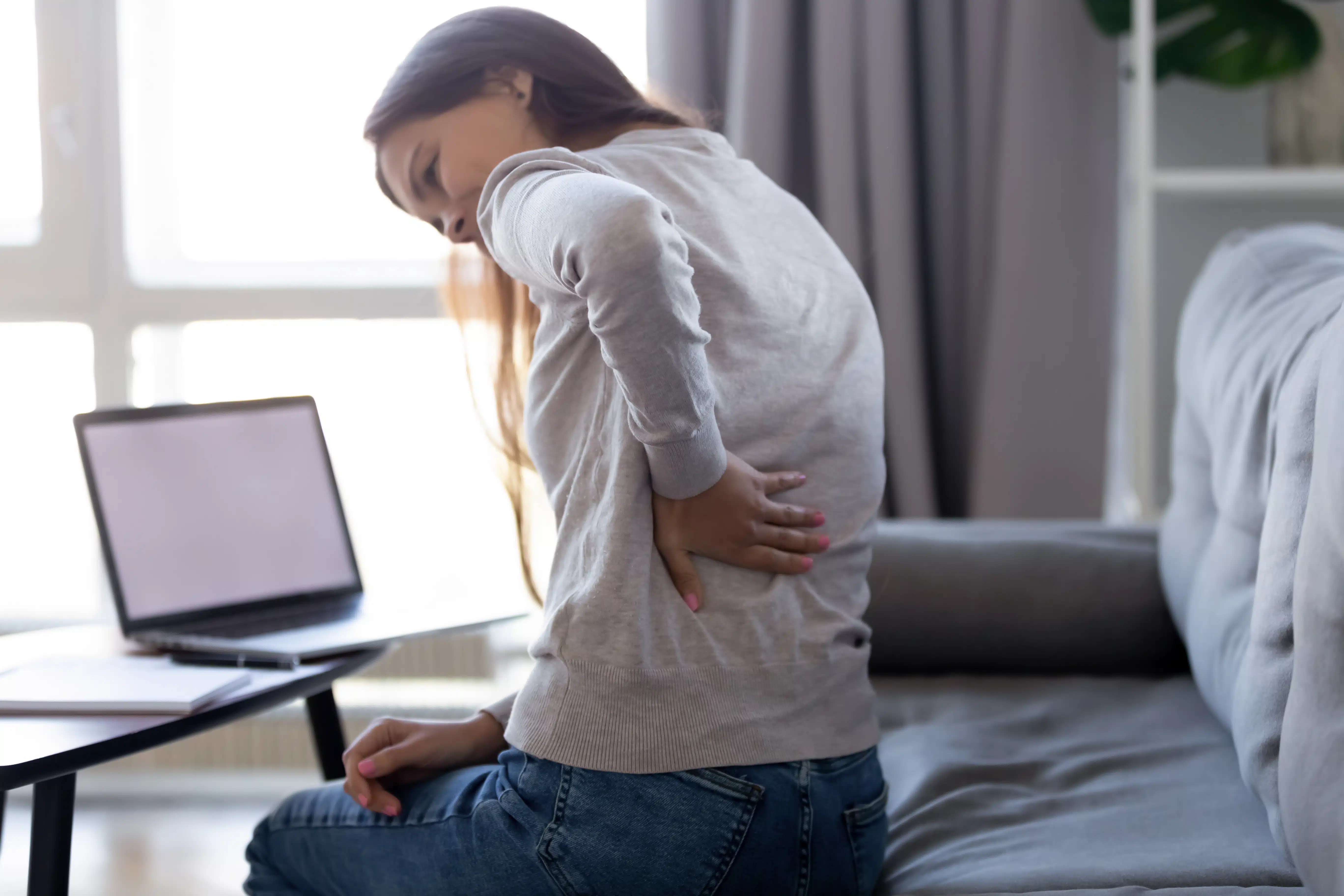
The Dangers of a Herniated Disc and How to Avoid Them
March 9, 2023
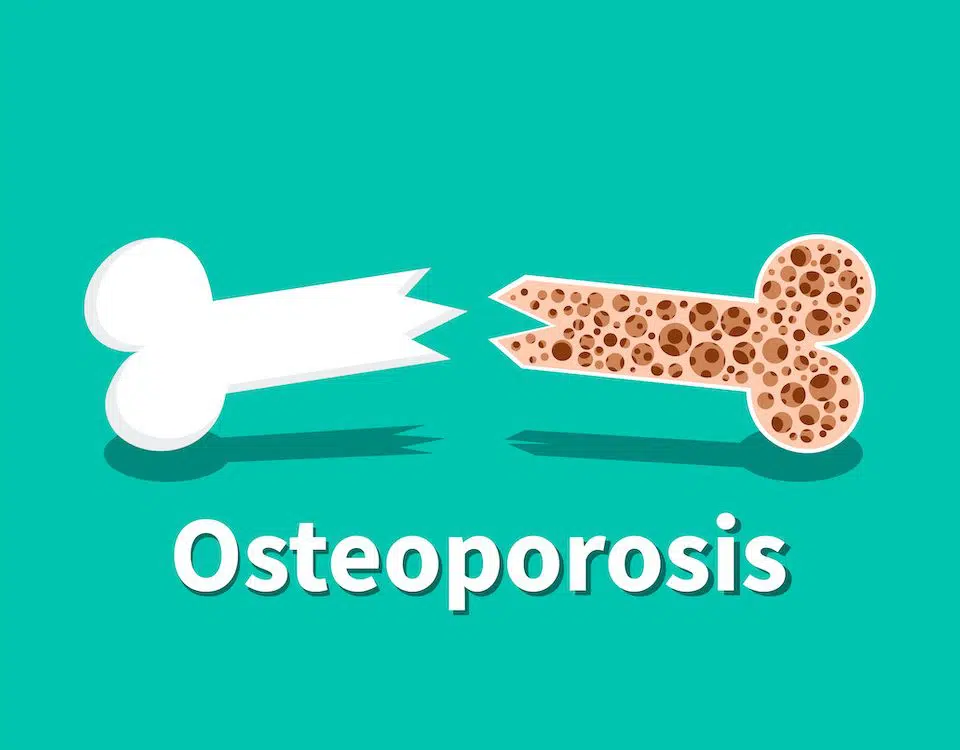
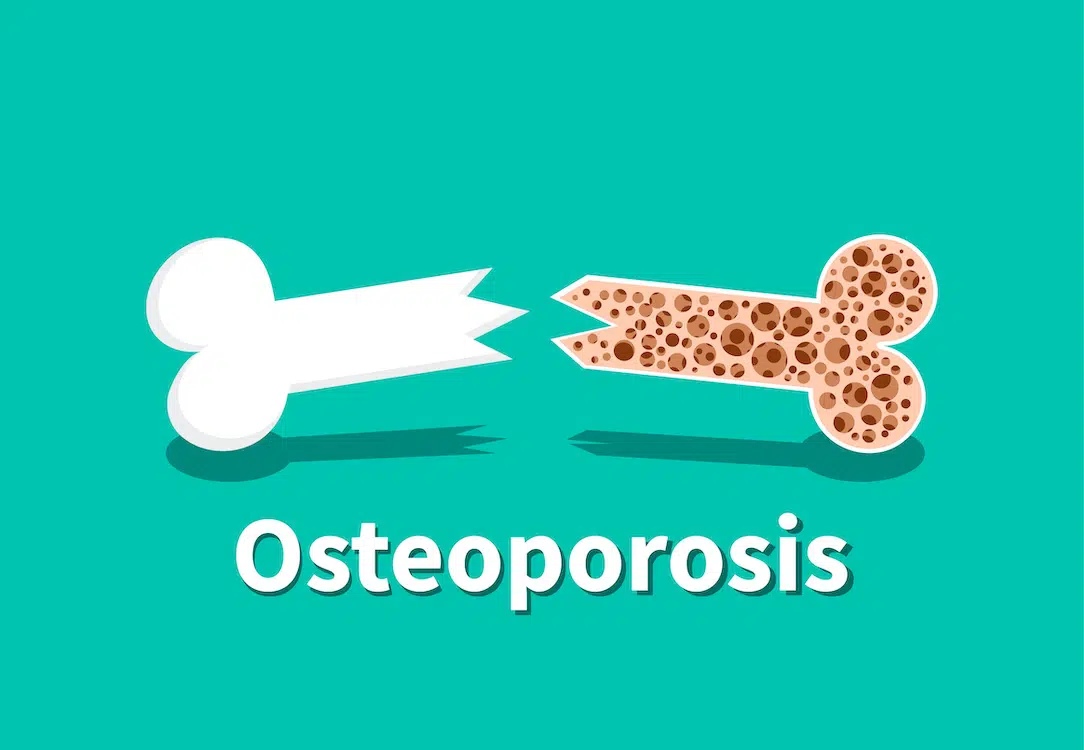
Osteoporosis is a condition that affects the bones, making them weak and brittle. This can lead to serious health problems, including fractures and compression fractures of the spine. In this blog post, we will discuss the effects of osteoporosis on the spine and how it can lead to debilitating back pain.
What is Osteoporosis?
Osteoporosis is a condition that causes bones to become weak and brittle, resulting in an increased risk of fractures. It affects more than 10 million Americans, with over 80% being women. Osteoporosis occurs when the rate of new bone formation does not keep up with the rate of bone resorption (breakdown). As bones become thinner and weaker, they are at a higher risk of fracture.
Osteoporosis is not a communicable disease–you can’t “catch” it from another person. However, studies show that you are more prone to the disease if you have a family history of it. The disease is more common in women due to the changes in hormone levels that affect bone density. The levels of the female hormone estrogen–a vital hormone for sustaining healthy bones–lessens after menopause and can result in a swift decline in bone density.
Risk Factors
Women are 4 times more likely to get osteoporosis than men. Here are other things that may put you at risk for osteoporosis:
- Older age. Bones become less dense and weaker with age.
- Race. White and Asian women are most at risk. But all races may get the disease.
- Body weight. People who weigh less and have less muscle are more at risk for this condition.
- Lifestyle factors. Lack of physical activity, caffeine, heavy alcohol use, smoking, dietary calcium, and vitamin D deficiency may all increase your risk.
- Certain medicines. Some medicines may increase your risk.
- Family history. Having a family history of bone disease may increase your risk.
Having low bone mass (osteopenia) also puts you at a greater risk for osteoporosis. Low estrogen is one of the main causes of bone loss in women during and after menopause. Women may lose up to 20% of their bone mass in the 5 to 7 years after menopause.
Symptoms of Osteoporosis
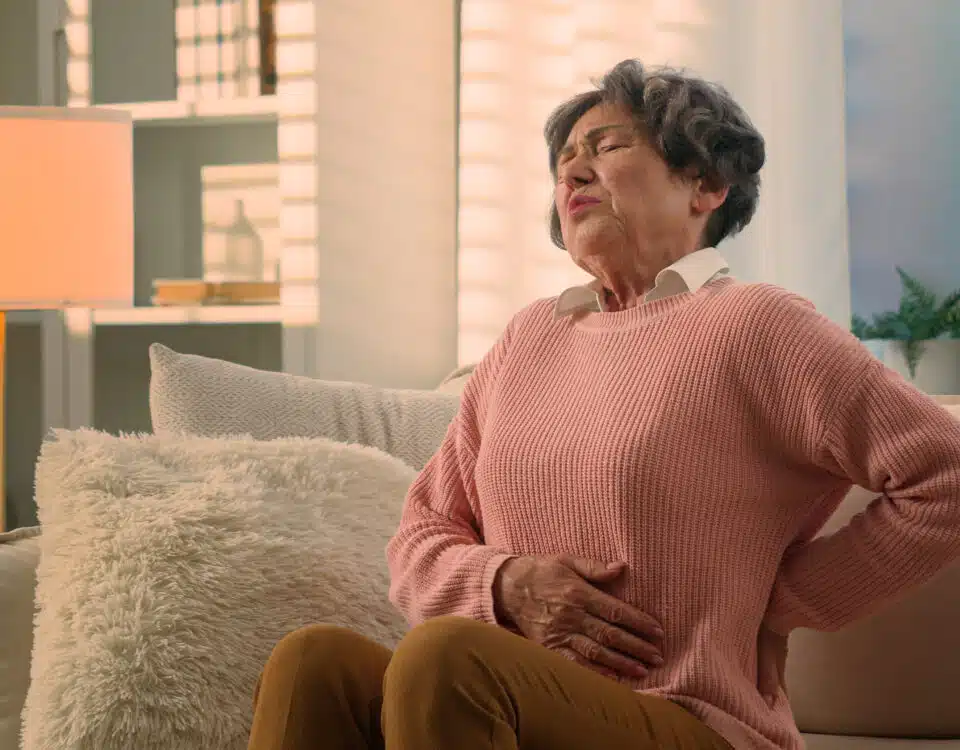
Osteoporosis may not have any noticeable symptoms, but it can still be detected through regular bone density tests. Those with osteoporosis may experience back pain if they suffer a fracture or compression fracture of the spine. They may also experience a stooped posture due to weakened vertebrae in the spine. There typically are no symptoms in the early stages of bone loss. But once your bones have been weakened by osteoporosis, you might have signs and symptoms that include:
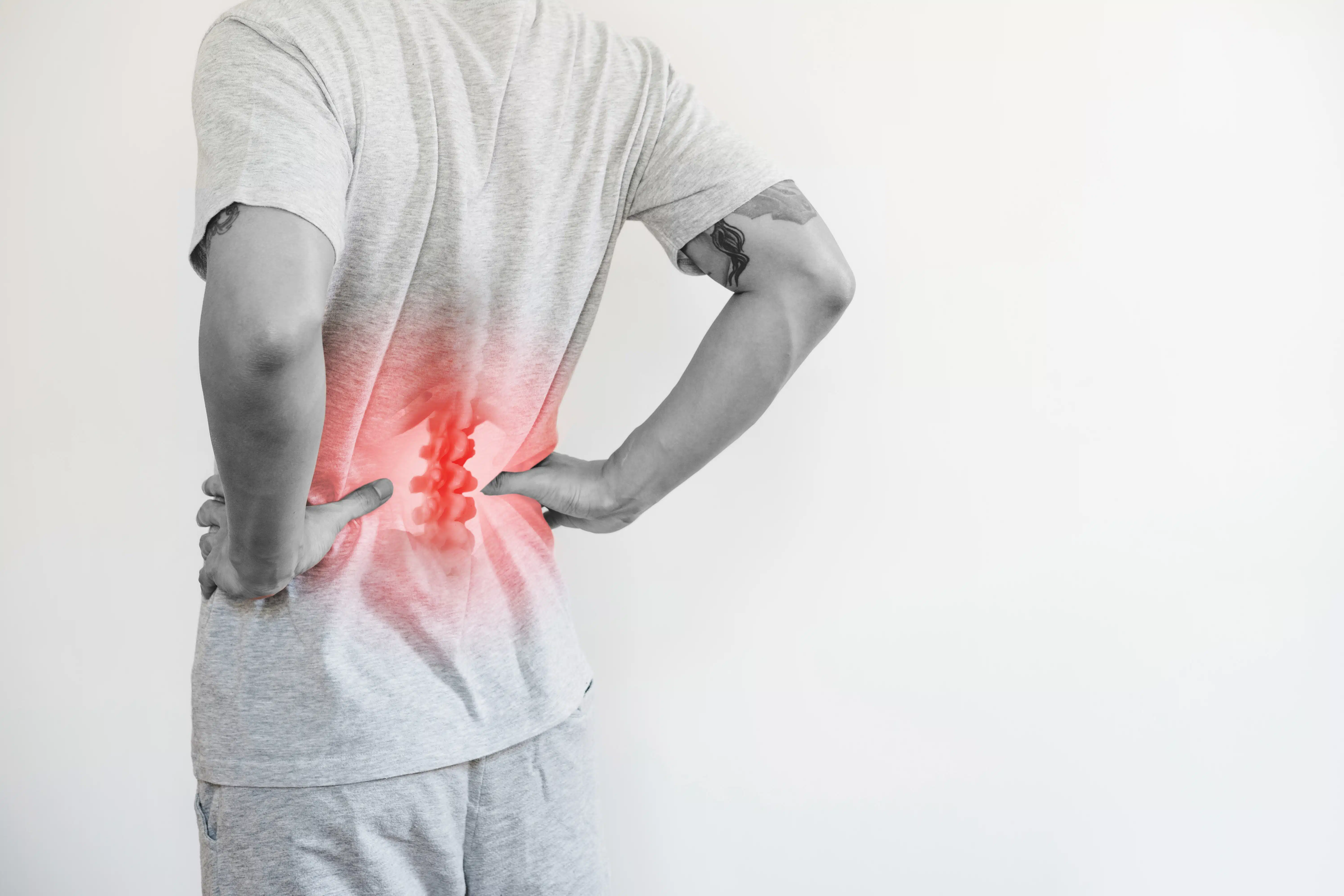
- Back pain, caused by a fractured or collapsed vertebra
- Loss of height over time
- A stooped posture
- A bone that breaks much more easily than expected
Effects of Osteoporosis on the Spine
The most common type of osteoporotic fracture is to the spine, which affects up to 50% of individuals with this condition. The vertebrae in the spine can be particularly vulnerable to fractures due to their thin structure and the weight put on them as we move. Fractures of the spine can cause compression of the vertebrae, leading to a hunched or stooped posture. This can be extremely painful and lead to an inability to move around normally. In severe cases, these fractures can even cause paralysis.
Treatment
Although there is currently no cure for osteoporosis, you can be proactive in the prevention of the disease or to stop its current progression. Through early detection of the disease you may even be able to increase bone density and reverse the disorder to some degree. Ensure that your diet has the proper amounts of calcium and vitamin D to promote good bone health. Talk with Dr. Shaner about medications that can help delay the bone loss, stop it or rebuild the bone.
Osteoporosis Prevention and Healthy Living
The National Osteoporosis Foundation, (NOF), has some great tips on proactive steps you can take to protect and improve the vitality of your bones. They urge that prevention begin in childhood by creating habits of healthy living. Specific steps you can take now to protect your bones include:
- Ingesting the proper amounts of calcium and Vitamin D
- Striving for a well-balanced diet
- Engaging in a regular exercise program that includes weight-bearing exercises
- Incorporating foods in your diet that promote optimal bone health such as fruits and vegetables
- Avoiding smoking and limiting alcohol consumption to no more than 2-3 drinks daily
Make an Appointment with Texas Spine and Sports Therapy Center
Taking proactive steps to protect your bones from osteoporosis is important. Schedule an appointment with Dr. Shaner at Texas Spine and Sports Therapy Center so he can diagnose and begin treatment as soon as possible if you are diagnosed with osteoporosis. If you do not have the condition, regular screenings will ensure that you remain healthy and your bones stay strong. Ultimately, Dr. Shaner will help you develop a plan to keep your spine healthy for years to come.
Contact us today to schedule an appointment!