
6 Ways to Maintain Spinal Health: Postural Therapy and More
July 29, 2022
Fight Inflammation with Active Release Technique
August 12, 2022
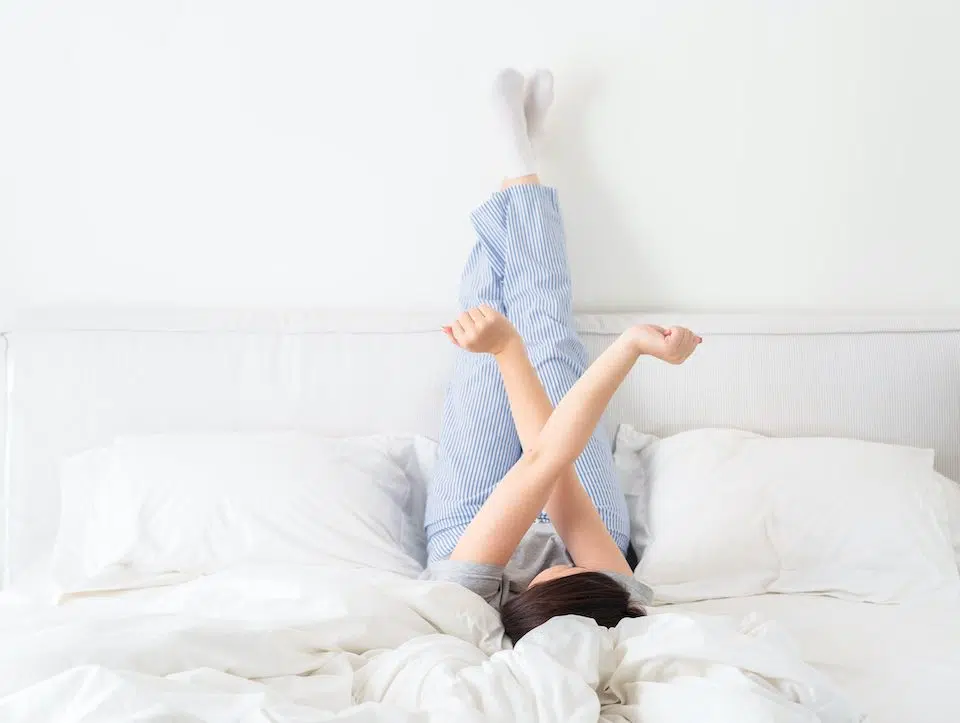
Restless at night? Can’t seem to get comfortable or fall asleep? It may be due to restless leg syndrome. This condition can greatly affect your sleep and leave you feeling exhausted the next day. If you are struggling with restless leg syndrome, visit Texas Spine and Sports Therapy Center for help. Our experienced team can provide relief and help you get the restful sleep you need.
What is Restless Leg Syndrome?
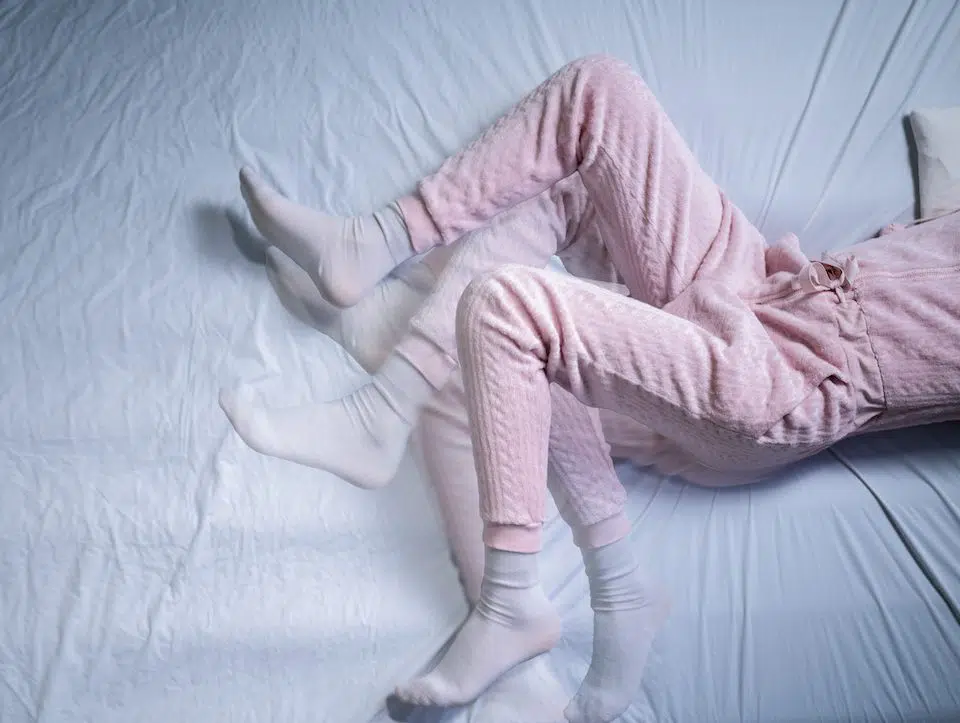
Restless leg syndrome (RLS) is a condition that causes an irresistible urge to move your legs. This urge is often accompanied by a crawling, tingling, or pulling sensation in the legs. RLS can occur at any time, but it is most common at night when you are trying to sleep. As a result, RLS can greatly affect your sleep quality and leave you feeling exhausted during the day.
What Causes Restless Leg Syndrome?
The exact cause of RLS is unknown, but it is believed to be related to an imbalance of certain brain chemicals. RLS can also be a side effect of certain medications or a symptom of another condition, such as iron deficiency. Unfortunately, most cases of RLS are diagnosed as idiopathic. This means that there is no specific or known cause for the symptoms. However, other cases may be caused by:
- Pregnancy complications
- Anemia and iron deficiency
- Kidney disease, damage, or failure
- Peripheral neuropathy, which is a disorder that involves nerve inflammation in any quadrant of the body
- Heredity
- Chronic diseases like Parkinson’s Disease and diabetes
- Medications that affect the nerves, such as antidepressants and allergy treatments
- Alcohol sensitivity and heavy drinking
Who Does it Affect?
Certain risk factors have been identified for this debilitating disorder. Some simply can’t be changed, but others are lifestyle choices that you can avoid to lower your risk for developing RLS. Risk factors include:
- Gender – women have a slightly higher risk for RLS than men
- Age – it can develop in childhood, but rises in prevalence among middle aged adults
- Medications – taking antidepressants or antihistamines can trigger the development of this syndrome
- Sleep deprivation – the less you sleep from RLS symptoms, the more severe they can become
Symptoms of RLS
The chief symptom is an urge to move the legs. Mayo Clinic lists common accompanying characteristics of RLS include:
- Sensations that begin while resting. The sensation typically begins after you’ve been lying down or sitting for an extended time, such as in a car, airplane or movie theater.
- Relief with movement. The sensation of RLS lessens with movement, such as stretching, jiggling the legs, pacing or walking.
- Worsening of symptoms in the evening. Symptoms occur mainly at night.
- Nighttime leg twitching. RLS may be associated with another, more common condition called periodic limb movement of sleep, which causes the legs to twitch and kick, possibly throughout the night, while you sleep.
People typically describe RLS symptoms as compelling, unpleasant sensations in the legs or feet. They usually happen on both sides of the body. Less commonly, the sensations affect the arms.
The sensations, which generally occur within the limb rather than on the skin, are described as:
- Crawling
- Creeping
- Pulling
- Throbbing
- Aching
- Itching
- Electric
Sometimes the sensations are difficult to explain. People with RLS usually don’t describe the condition as a muscle cramp or numbness. They do, however, consistently describe the desire to move the legs.
It’s common for symptoms to fluctuate in severity. Sometimes, symptoms disappear for periods of time, then come back.
Treatment Options
Unfortunately, there is no cure for RLS. However, there are treatments that can help relieve the symptoms and improve your sleep quality. Unless a specific nerve compression issue is diagnosed, most treatment plans aim to control the symptoms. Occasional treatments may yield surprising relief. We offer treatments in our Austin office that include:
- Massage to relieve muscle tension from stress and fatigue
- Chiropractic adjustment if misalignment is suspected to be the cause
- Electrostimulation for overactive nerves
- Stretches and exercise techniques to keep the muscles from twitching and cramping all night
- Nutritional supplements
- Peripheral neuropathy treatment
Improve Sleep Quality with Texas Spine and Sports Therapy Center
If you are struggling with the symptoms of RLS, we can help. We offer a variety of services to relieve pain and improve your quality of life. Our team is experienced in treating all types of conditions, from RLS to sports injuries, to degenerative disc disease. We will work with you to create a customized treatment plan that fits your needs. Contact us today to schedule a consultation right here at our Austin clinic.