
Common Sports Injuries and How Texas Spine & Sports Therapy Center Can Help
September 14, 2023
Why You Should Let Your Chiropractor Help You with Neck Pain
September 28, 2023
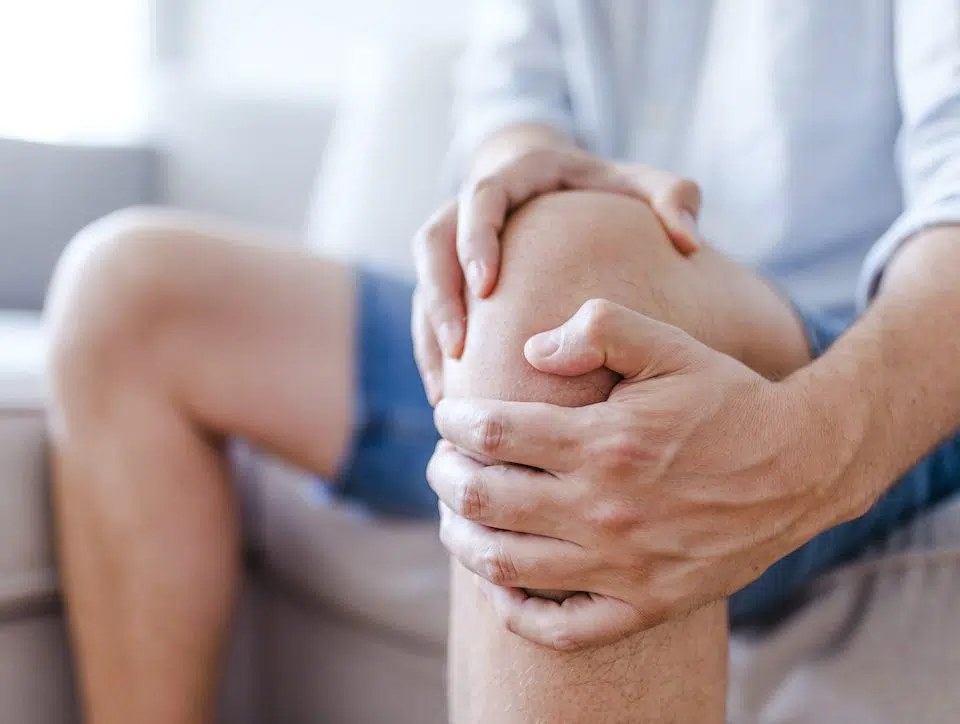
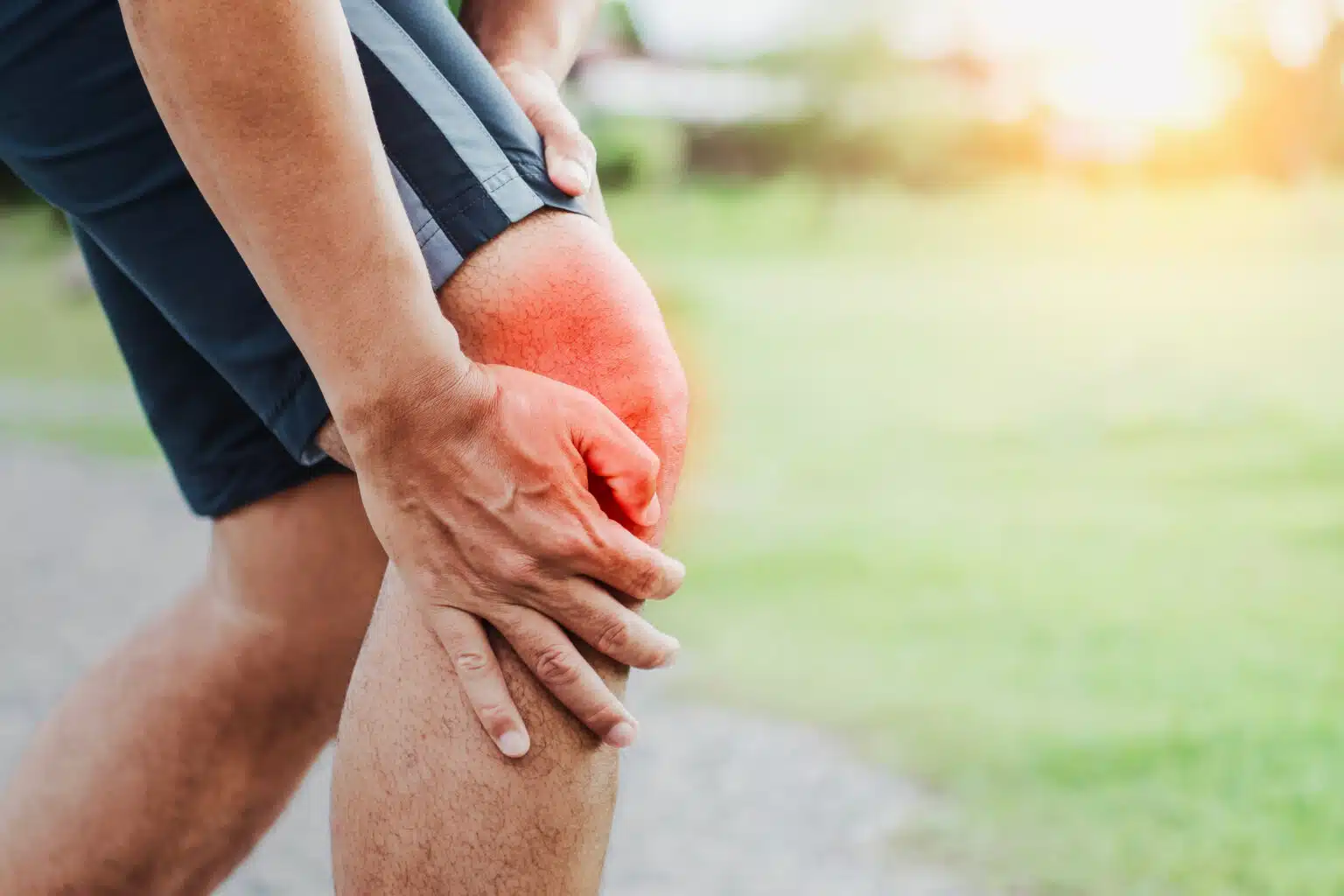
As an avid runner, you may have experienced the discomfort of knee pain at some point. Knee pain is one of the most common running injuries, and it can be frustrating to deal with. Understanding why runners commonly get knee pain is crucial to preventing, managing, and treating it. In this blog post, we will explore the causes of runners knee pain and examine some practical ways to prevent and manage it.
The Health Benefits of Running
A consistent running routine can come with a host of health benefits, including improved mental and physical well-being. Studies have shown that running can help improve cardiovascular health, reduce stress levels, boost your mood, and even promote weight loss.
What Causes Runner’s Knee?
Runner’s knee is an umbrella term for several different types of knee injuries caused by overuse, such as:
- Patellofemoral pain syndrome (PFPS): This is an injury to the cartilage behind the knee cap and is one of the most common causes of runner’s knee. It results from muscle imbalances that create extra pressure on the patellar tendon, resulting in irritation and inflammation.
- Iliotibial band syndrome: This is an injury to the iliotibial band, which is a thick connective tissue that runs from the hip to the knee. It results from activities such as running and cycling that put extra strain on this area of the body.
- Tears in cartilage or ligaments: Running can also cause tears in cartilage or ligaments around the knee, resulting in pain and swelling.
Why Do Runner’s Commonly Experience Knee Pain?
Overuse:
One of the primary causes of runner’s knee pain is overuse. Running puts a lot of pressure on your knees, especially if you run on hard surfaces like concrete. When you run too much or too often, the repetitive motion can cause overuse injuries to your knees. This can lead to inflammation, pain, and stiffness. To avoid overuse injuries, it’s important to gradually increase your mileage, use proper running shoes, and change your running surface occasionally.
Weakness or imbalance in muscles:
Another common cause of runner’s knee pain is muscle weakness or imbalance. The muscles in your legs work together to support your knees when you run. If these muscles are weak or imbalanced, they can’t support your knees properly. This can cause your knee joint to be misaligned, leading to pain and discomfort. To prevent this, you can do strengthening exercises that target your glutes, quads, and hamstrings. A physiotherapist can help you identify any muscle imbalances and provide you with a customized exercise plan.
Poor running form:
Your running form can also contribute to runner’s knee pain. Poor form, such as landing on your heels or overstriding, puts unnecessary stress on your knees. When you run, try to land on the midfoot and keep your stride length natural and comfortable. Maintain an upright posture, engage your core, and swing your arms naturally. You can also work with a running coach or trainer to improve your running form.
Tightness or inflexibility:
Tightness or inflexibility in muscles or joints can also cause knee pain. When your muscles are tight, they can’t move through their full range of motion, causing stress on your knees. You can prevent this by incorporating stretching and foam rolling into your pre and post-run routine. Target the muscles in your calves, hamstrings, quads, and glutes to release tension and improve flexibility. Regular massage or physiotherapy can also help reduce tightness and improve range of motion.
Injury or trauma:
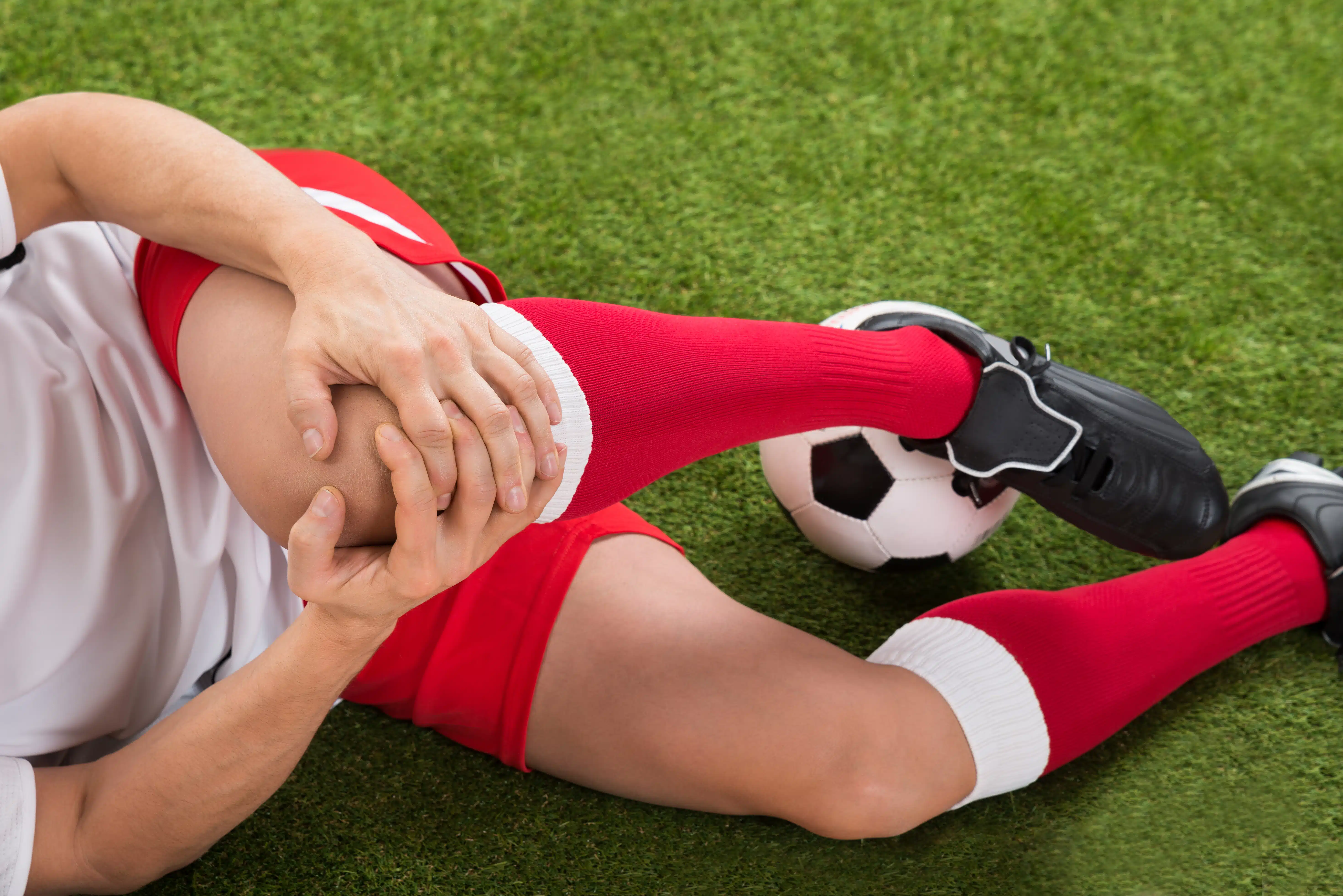
Finally, knee pain in runners can be caused by injuries or trauma. These can range from small sprains and strains to more severe ligament tears or meniscus injuries. If you experience sudden or intense knee pain, seek medical attention immediately. Treatment options may include rest, ice, compression, elevation, physical therapy, or in some cases, surgery.
Preventing Runner’s Knee Pain
Fortunately, there are preventative measures you can take to lower the risk of developing a runner’s knee. Here are a few tips:
- Strengthen your muscles: Strengthening your quadriceps, glutes, calves and hamstrings can help support your knees and reduce the risk of injuries.
- Improve your running form: Pay attention to your body position as you run and focus on landing lightly on your feet with an upright posture.
- Change up your running surface: Varying the type of surfaces you run on will help distribute the impact evenly across different areas of your body.
- Listen to your body: If you experience any pain or discomfort, take a break. Rest and recovery are key components of injury prevention.
- Stretch regularly: Incorporate stretching into your pre and post-run routine to improve flexibility and reduce risk of injury.
Runner’s knee is one of the most common running injuries, but it doesn’t have to get in the way of your running goals. By understanding the causes of knee pain and taking preventive measures, you can reduce your chances of developing it. If you do experience any discomfort, make sure to take some time off and follow the tips outlined above. With a little patience and dedication, you’ll be back on the road again in no time!
Make an Appointment with Texas Spine and Sports Therapy Center
If you’re experiencing runner’s knee pain and are looking for expert help, look no further than Texas Spine and Sports Therapy Center. We can provide simple but effective treatments like:
- A schedule for rest to ensure your knee can heal
- Soft massage to reduce tenderness and increase blood flow
- Guided movements and calibrated stretching that relieves muscle stiffness
- Joint injections to eliminate inflammation for months at a time
- Recommendations for supplements that can improve joint health overall
Our team is committed to providing top-notch care to get you back on your feet again. We specialize in helping runners with knee issues through a variety of treatments and therapies, so don’t hesitate to reach out to us today!