

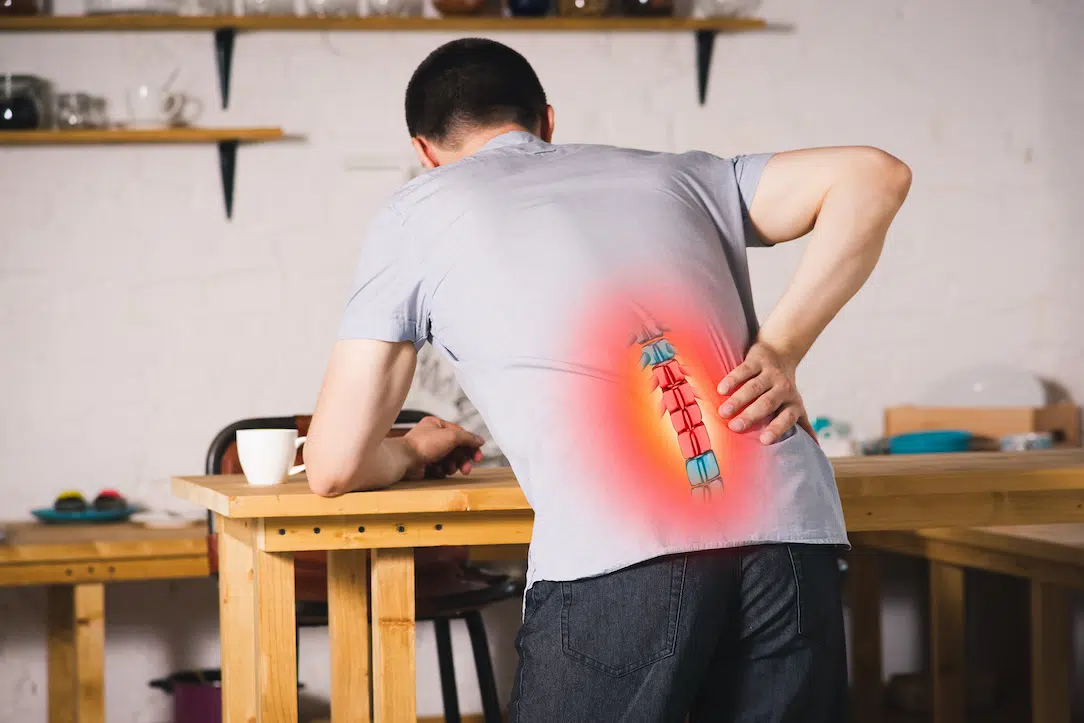
Your Treatment Options for Degenerative Disc Disease
March 10, 2022
Warmer Weather Running Tips: Get Outdoors for Spring!
March 23, 2022
Do you suffer from chronic headaches? If so, you know how debilitating they can be. Migraines, tension headaches, and cluster headaches are all types of chronic headaches. They can interfere with your work, your social life, and your overall quality of life. In this blog post, we will discuss the different types of chronic headaches, as well as some of the best ways to treat them. We hope that this information will help you manage your chronic headache pain more effectively!
What are Chronic Headaches?
Chronic headaches are defined as headaches that occur more than 15 days per month. They can be caused by a variety of factors, including muscle tension, stress, anxiety, dehydration, and hormonal changes. Chronic headaches can be very painful and debilitating.
Types of Chronic Headaches
There are three main types of chronic headaches: migraines, tension headaches, and cluster headaches.
Migraines
Migraines are the most common type of chronic headache. These headaches cause a throbbing sensation on one side of the head, as well as sensitivity to light and sound.
Tension headaches
Tension headaches are the second most common type of chronic headache. They are usually caused by muscle tension in the neck and shoulders. Tension headaches are often described as a tight, band-like sensation around the head.
Cluster headaches
Cluster headaches are the least common type of chronic headache. These headaches cause severe pain on one side of the head, as well as redness and watering of the eye on that side.
Causes
Unfortunately, the causes of many chronic daily headaches aren’t well-understood. Many times, chronic headaches don’t have an identifiable underlying cause.
Conditions that might cause chronic daily headaches include:
- Inflammation or other problems with the blood vessels in and around the brain, including stroke
- Infections, such as meningitis
- Intracranial pressure that’s either too high or too low
- Brain tumor
- Traumatic brain injury
Headache Triggers
In addition to underlying conditions, there are also certain triggers that can cause chronic headaches. These triggers can vary from person to person. Harvard Health lists the 7 most common headache triggers to be:
Stress
Stress can cause tight muscles in the shoulders and neck. This often leads to a tension headache, which starts in the neck and back and works its way up to feel like a tight band around your head.
Diet
Eating certain foods often triggers a migraine headache. Migraines may happen because of one type of food — like beans or nuts. Or, it can happen due to many foods, such as avocados, bananas, cheese, chocolate, citrus, herring, dairy products, and onions.
Alcohol intake
Alcohol is a common cause of a migraine headache or a cluster headache — a stabbing pain in the eye that may last hours, go away, and come back several times per day. For some people, a few ounces of red wine are all it takes to provoke a headache, although any kind of alcohol can be a trigger. It’s not clear if the alcohol itself is to blame, or if another component in the drink causes the problem.
Environment
Cluster headaches seem to be seasonal and often happen in the spring or fall. Environmental factors such as bright light, smoke, humidity, intense scents, or cold weather can cause migraine headaches.
Hormones
Changes in estrogen levels are associated with migraines in women, and women suffer from migraines more often than men. Menstrual cycles may be tied to migraine in younger women. Varying estrogen levels during perimenopause can sometimes start migraines in women who have never experienced them before. Estrogen therapy may also be a migraine trigger. Menopause does seem to end migraines in most women.
Caffeine withdrawal
If you normally consume caffeine in coffee or tea, stopping intake abruptly may trigger a migraine. This may be because caffeine causes blood vessels to constrict; without caffeine, the blood vessels widen and bulge out with each heartbeat — a chief reason for the pounding pain of migraines.
Lack of sleep
A lack of sleep is associated with migraines and tension headaches.
Risks
A headache that is unusually severe or reoccurring should be taken seriously. Call us to schedule an appointment for testing like MRIs or x-rays to ensure your pain isn’t linked to serious health risks like:
- Blood clots within the brain
- Stroke
- A concussion due to a fall
- Viral meningitis
- Carbon monoxide poisoning at home or at work
- Aneurysms in the brain
- Brain or spinal tumors
- Toxoplasmosis
Treatment for Chronic Headaches
Popping an over the counter painkiller may make the pain fade, but this could damage your liver or kidneys over time. Migraines and headaches that return as the medications fade deserve more comprehensive treatments. Try a combination of:
- Stress reduction techniques to stop headaches from developing
- Adjustment and manipulation of the spine to release pressure on crucial nerves
- Traction or computer assisted stretching to stop tension in the neck from irritating the head
- Cervical corrective care to restore the cervical lordosis
- Referrals for further treatment if you are facing a life threatening condition
Get Headache Relief with Texas Spine and Sports Therapy Center
Suffering from chronic headaches? The Texas Spine and Sports Therapy Center in Austin wants to help! Contact us to schedule an appointment with our specialists. We will provide you with a full examination and develop a personalized treatment plan that fits your needs. Make an appointment today!