
Boost Your Chiropractic Adjustments with Spinal Decompression
June 30, 2023
Get to Know Heat and Cold Therapy
July 13, 2023
With more and more people turning to standing desks in the hopes of reducing back pain, it’s important to look at both the pros and cons of this method of prevention. In this blog post, we’ll examine the potential effects of using a standing desk for back pain relief, as well as any negative side effects that might occur. From discussing posture tips to exploring various types of ergonomic equipment, we’ll provide you with all the information you need to make an informed decision about whether or not a standing desk is right for you.
The Dangers of Sitting All Day
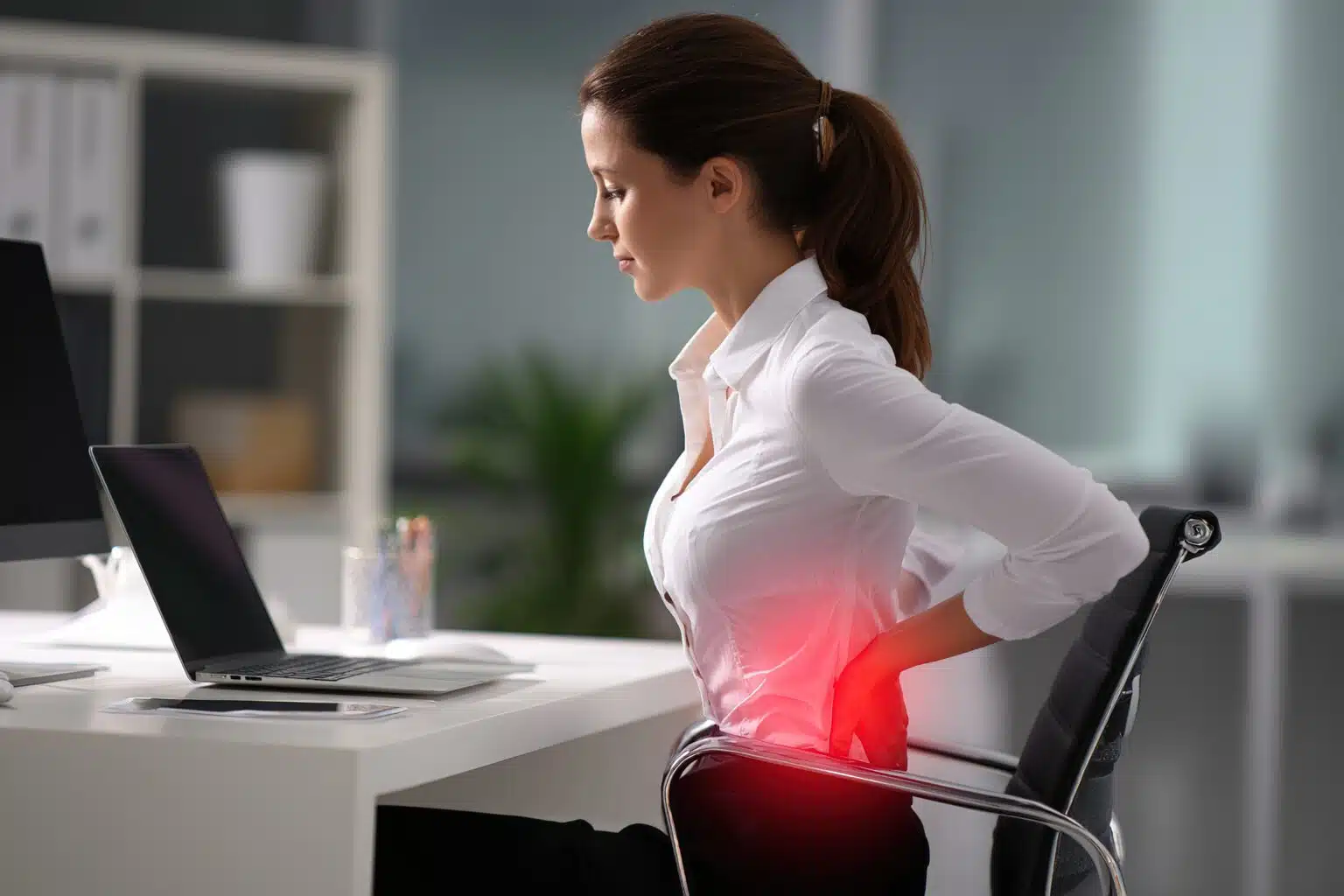
It’s no secret that sitting all day is incredibly bad for your health. Research has linked sitting for long periods of time with a number of health concerns. They include obesity and a cluster of conditions — increased blood pressure, high blood sugar, excess body fat around the waist and unhealthy cholesterol levels — that make up metabolic syndrome. Too much sitting overall and prolonged periods of sitting also seem to increase the risk of death from cardiovascular disease and cancer.
Any extended sitting — such as at a desk, behind a wheel or in front of a screen — can be harmful. Researchers analyzed 13 studies of sitting time and activity levels. They found that those who sat for more than eight hours a day with no physical activity had a risk of dying similar to that posed by obesity and smoking. However, unlike some other studies, this analysis of data from more than 1 million people found that 60 to 75 minutes of moderately intense physical activity a day countered the effects of too much sitting. Other studies have found that for people who are most active, sitting time contributes little to their risk of death.
Overall, research seems to point to the fact that less sitting and more moving contribute to better health.
The Benefits of Standing Desks
In light of all this, it’s no wonder that standing desks have become increasingly popular in recent years. They offer a great solution for those who are looking to reduce their risk of developing chronic illnesses and musculoskeletal pain associated with sitting all day. By using a standing desk, you can stand for a portion of the day, which allows you to move and avoid too much sitting.
While studies suggest that a standing desk is unlikely to help with weight loss or avoiding weight gain, there may be other reasons to stand while you work. Advocates of standing desks point to studies showing that after a meal, blood sugar levels return to normal faster on days a person spends more time standing. And standing, rather than sitting, may reduce the risk of shoulder and back pain.
The Cons
Despite the many benefits, there are some potential drawbacks to standing desks that you should keep in mind. One common complaint is the development of muscle pain and fatigue in the legs due to prolonged standing. Additionally, using a standing desk may also put extra strain on your feet, ankles, and lower back if not used properly. That’s why it’s important to use an ergonomically designed standing desk, and use it in the right way. Additionally, some people may find that standing for long periods of time can be uncomfortable or simply inconvenient in some settings. In these cases, a sit-stand desk with adjustable height may be a better option. These desks allow you to switch between sitting and standing.
How Desk Workers Can Stay Active During the Day
But even if you’re using a standing desk, it’s still important to move and exercise throughout the day. Here are some tips for keeping your body active and healthy while you work:
Get up often:
Make sure to stand up and walk around every 30 minutes or so. This will help keep your muscles engaged and reduce fatigue.
Stretch:
Take a few minutes to do some simple stretching exercises every hour. This will help keep your body loose and improve blood flow.
Choose an ergonomic chair:
If you’re not able to stand all day, make sure to choose an office chair that supports good posture and keeps you comfortable.
Try a standing mat:
If you find that standing all day is too hard on your feet and legs, try using a standing mat. This will provide cushioning and support for your lower body while at the same time encouraging movement as you shift your weight back and forth from one foot to the other.
Move around the office:
Take a walk around the office or even just to the restroom every now and again. This will help keep your circulation up and encourage movement, which is essential for reducing fatigue and improving concentration.
Overall, standing desks are an effective way of preventing back pain if used correctly. However, they should be used in combination with other methods such as regular stretching exercises and walking breaks throughout the day. With a little bit of effort, you can find the right combination of sitting and standing to help keep your body healthy and pain-free.
Chiropractic Care for Back Pain
Chiropractic care is another great option for those looking for relief from back pain. Chiropractors can help pinpoint the causes of your pain and provide treatment to alleviate it. Some of the techniques used by chiropractors include spinal manipulation, massage therapy, exercise programs, and lifestyle counseling. Make an appointment with Texas Spine and Sports Therapy Center today to learn more!