

Understanding Spinal Stenosis: A Comprehensive Guide
March 28, 2024
5 Tips to Combat Back Pain
April 11, 2024
Posture is often overlooked amid the hustle and bustle of our daily lives. Yet, the way we sit at our desks, stand in line, or even slouch on the sofa can have a profound, lasting impact on our spinal health. In this comprehensive exploration, we shed light on what constitutes poor posture, its common symptoms, and the long-term consequences it can have on our spines.
Defining Poor Posture
Posture refers to the position in which we hold our bodies while sitting, standing, or lying down. Good posture is characterized by the alignment of the ears, shoulders, and hips in a straight line. When any part of the body is out of alignment, it can lead to strain on the musculoskeletal system.
Understanding the Basics of Good Posture
Good posture is not just about looking poised, but about supporting the spine’s natural curvature, a process vital for the body’s balance and stability. When the spine is aligned correctly, it minimizes stress on ligaments and helps prevent muscle imbalances.
Common Postural Causes
Both sedentary and active lifestyles can lead to poor posture if not mindful of body mechanics. Common postural causes include ‘text neck’ from looking down at devices, ‘slumping’ while seated, and ‘kyphosis’, the hunched position often associated with a desk-bound lifestyle.
Recognizing Symptoms of Poor Posture
Poor posture can manifest in various ways, from temporary discomfort to chronic pain. Understanding the warning signs can help address posture issues before they escalate.
Discomfort and Pain
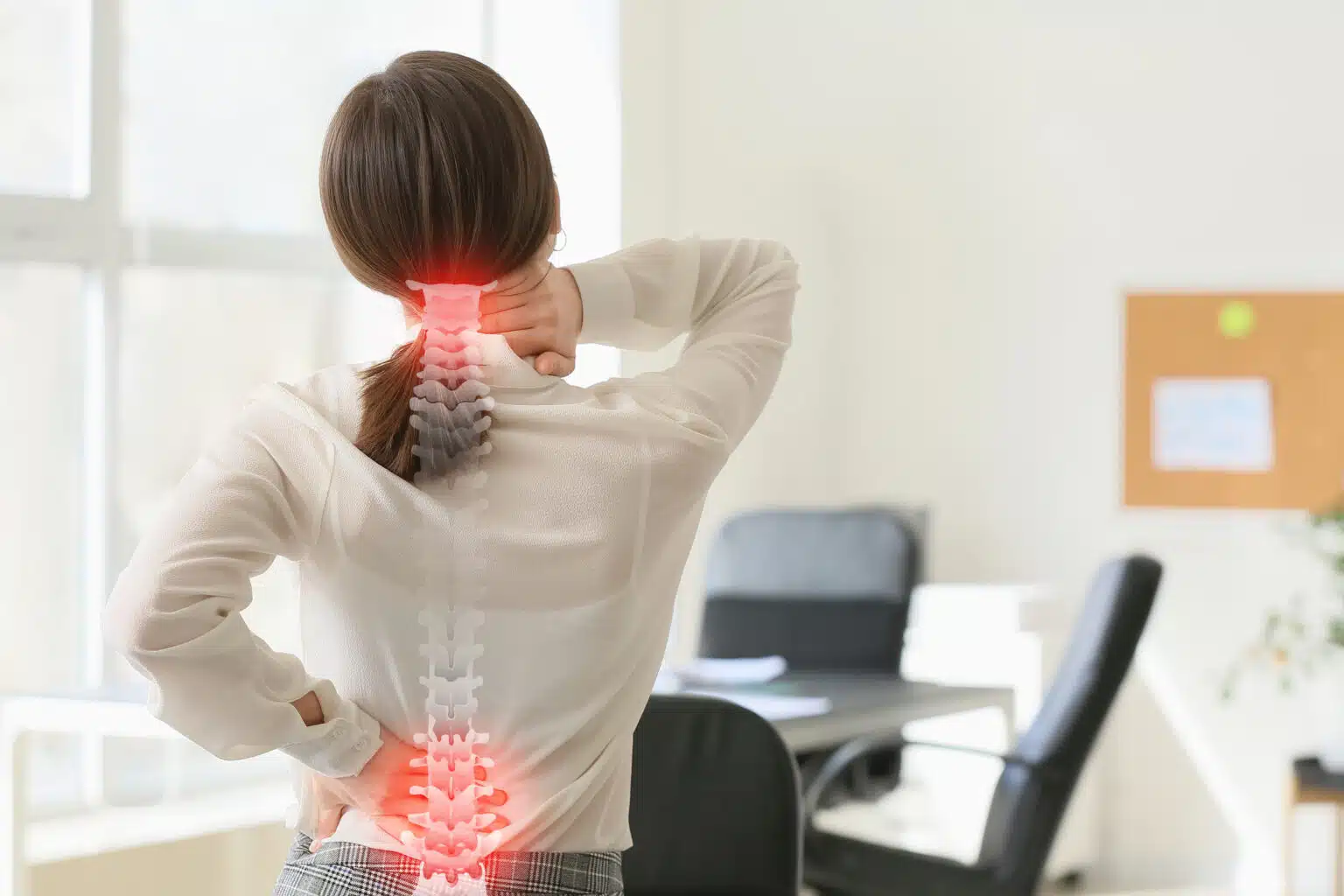
Pain in the back, neck, and shoulders is often the most noticeable symptom of poor posture. The discomfort can range from a mild ache to chronic, debilitating pain, impacting daily life and overall well-being.
Stiffness and Reduced Mobility
Poor posture contributes to reduced flexibility, which can lead to stiffness in the affected areas. Over time, the body adapts to these changes, potentially limiting mobility and creating a cycle of further postural misalignments.
Impact on Spinal Health
The spine is the body’s central support structure, and poor posture can lead to numerous health issues, some of which can be irreversible.
Degenerative Conditions
Chronic poor posture can contribute to accelerated wear and tear on the spine, leading to conditions such as disc degeneration and spinal osteoarthritis.
Structural Changes
Consistent poor posture can lead to changes in the spine’s structure, such as the development of a rounded upper back (thoracic hyperkyphosis) or excessive curvature of the lower back (lumbar hyperlordosis).
Neurological Implications
Nerve compression, often resulting from poor posture, can cause a condition known as radiculopathy, with symptoms including tingling, weakness, and numbness in the arms or legs.
The Role of Chiropractic Care in Posture Rehabilitation
Chiropractic care plays an integral role in addressing postural issues and maintaining spinal health. Through non-invasive techniques, chiropractors aim to restore proper alignment and function to the spine.
Comprehensive Evaluation
Chiropractors perform a thorough assessment, including physical examination and often diagnostic imaging, to identify postural abnormalities and their underlying causes.
Individualized Treatment Plans
Chiropractic treatment plans are tailored to address the specific needs of the patient, with a focus on spinal adjustments, therapeutic exercises, and ergonomic recommendations to promote correct posture and reduce strain on the spine.
Preventative Measures
In addition to treating existing posture-related issues, chiropractors educate patients on proper posture and provide strategies to prevent future problems, such as regular posture checks and targeted exercises.
Lifestyle Adjustments for Better Posture
Beyond professional intervention, cultivating healthy habits in daily life can significantly improve posture and support spinal health.
Ergonomics in the Workplace
Optimizing the work environment with ergonomic equipment can encourage better posture. Sit-stand desks, supportive chairs, and computer monitor adjustments are just a few examples of workplace modifications that can make a difference.
Mindful Movement and Exercise
Incorporating a variety of physical activities into one’s routine can strengthen the muscles that support good posture. Yoga, Pilates, and core-strengthening exercises are particularly beneficial.
Body Awareness and Mindfulness
Developing an awareness of body positioning, especially during activities like lifting, can prevent sudden stress on the spine. Mindfulness practices can also serve as a reminder to check and correct posture throughout the day.
Make an Appointment with Texas Spine & Sports Therapy Center
Our modern lifestyles often lead us down a path of least resistance, which can translate into years of poor posture and eventual spinal health issues. By understanding the significance of posture and taking proactive measures, we can maintain the long-term health of our spines and lead more comfortable, pain-free lives. Chiropractic care, combined with lifestyle adjustments, offers a comprehensive approach to posture rehabilitation, ensuring that we stand tall for years to come. Make an appointment with Texas Spine & Sports Therapy Center today to start your journey towards better posture and spinal health.