

Reasons Why You Could Always Feel Fatigued
November 7, 2024
Why Athletes Should Choose Massage Therapy and Active Release Technique
November 27, 2024
Sciatica is a term often used to describe a sharp, shooting pain that radiates along the path of the sciatic nerve, which runs from your lower back, through your hips and buttocks, and down each leg. While many people experience sciatica as a temporary issue, for others, it can lead to more chronic and debilitating back pain. At Texas Spine & Sports Therapy Center, we specialize in treating sciatica and its associated symptoms, helping patients understand the root causes and offering effective treatments to relieve pain and restore mobility. In this blog, we’ll explore the effects of sciatica, how it can potentially cause chronic back pain, and the steps you can take to find relief.
What is Sciatica?
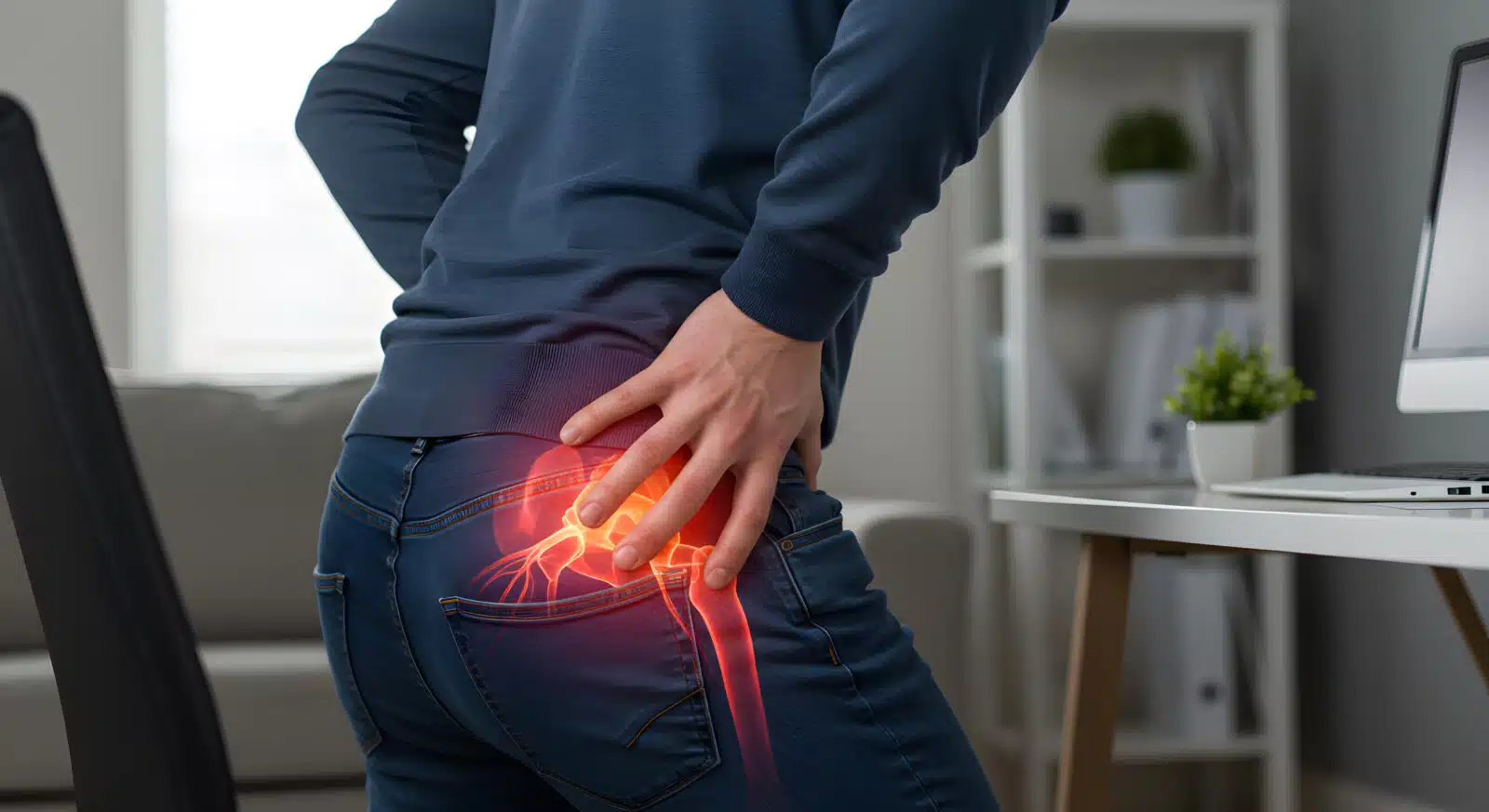
Sciatica is not a condition in itself but a symptom of an underlying issue, usually involving compression or irritation of the sciatic nerve. The sciatic nerve is the longest nerve in your body, running from the lower back through the hips and buttocks, and down each leg. When something puts pressure on this nerve—whether it’s a herniated disc, bone spur, or muscle inflammation—it can result in pain, tingling, numbness, and weakness in the lower back, legs, and feet.
While sciatica typically affects only one side of the body, the pain can vary in intensity, from mild discomfort to severe, disabling pain. Most people experience sciatica as a sharp, shooting pain that radiates from the lower back down the leg, often exacerbated by sitting, standing, or certain movements.
How Sciatica Can Lead to Chronic Back Pain
While many cases of sciatica improve over time with conservative treatment like rest, physical therapy, and medications, some individuals experience chronic back pain as a result of untreated or persistent sciatica. Here’s how this happens:
1. Chronic Nerve Compression
When the sciatic nerve is compressed or irritated for an extended period, it can lead to ongoing nerve damage. This is particularly common in conditions like herniated discs, where the cushioning between vertebrae in the spine slips out of place and presses on nearby nerves. Over time, the nerve can become inflamed, and if not properly treated, this chronic irritation can lead to persistent back pain, numbness, and weakness.
2. Muscle Imbalances and Tension
Sciatica often causes pain and weakness in the lower back, hips, and legs. When the body experiences pain in one area, it may adjust by shifting weight or posture, leading to compensatory movements. These adjustments can create muscle imbalances in the lower back, pelvis, and legs, which can further contribute to pain and stiffness. Over time, this can lead to chronic discomfort and postural issues that aggravate back pain.
3. Reduced Mobility and Activity
When experiencing sciatica pain, many individuals limit their physical activity, which can lead to muscle weakness and reduced flexibility. Lack of movement can exacerbate chronic back pain by causing the muscles and joints to become stiff, decreasing circulation, and worsening the effects of sciatica. This creates a vicious cycle where the pain from sciatica limits movement, and the lack of movement contributes to more pain.
4. Inflammation and Tissue Damage
In some cases, sciatica is caused by inflammation in the surrounding muscles, ligaments, or tissues, particularly if the issue is related to muscle spasms or inflammation around a herniated disc. Chronic inflammation can damage tissues and irritate the nerve over time, leading to persistent back pain and other symptoms. The longer the inflammation goes untreated, the more likely it is to lead to lasting pain and discomfort.
Signs That Sciatica Could Be Leading to Chronic Back Pain
While sciatica typically improves within a few weeks with proper care, there are signs that the condition may be progressing into chronic back pain:
- Persistent pain lasting longer than 3 months
- Increasing weakness or numbness in the legs or feet
- Difficulty performing daily activities, such as standing, walking, or sitting for extended periods
- Pain that worsens despite treatment
- Loss of bladder or bowel control (a medical emergency that can indicate severe nerve damage)
If you notice these signs, it’s important to seek professional care to prevent further damage and to prevent sciatica from turning into a long-term issue.
How Texas Spine & Sports Therapy Center Can Help
At Texas Spine & Sports Therapy Center, we take a holistic approach to treating sciatica and chronic back pain. Our team of experts uses a variety of non-invasive therapies to help alleviate pain, promote healing, and improve function. Here are some of the treatment options we offer:
1. Chiropractic Care
Chiropractic adjustments are an effective way to treat sciatica by realigning the spine and relieving pressure on the sciatic nerve. Our chiropractors use precise spinal manipulations to reduce nerve irritation, alleviate muscle tension, and promote healing. Chiropractic care helps improve spinal function, reduces pain, and restores mobility, allowing you to move freely and without discomfort.
2. Physical Therapy
Physical therapy is a cornerstone of sciatica treatment. Through targeted exercises and stretches, we can strengthen the muscles that support the spine and improve flexibility. This not only relieves pain but also prevents further injuries by promoting better posture and movement patterns. Our team will design a personalized program based on your condition. This will help you build strength, improve balance, and regain your active lifestyle.
3. Massage Therapy
Sciatica can cause muscle tension in the lower back, buttocks, and legs. Massage therapy helps reduce this tension and promotes circulation, which can alleviate pain and speed up recovery. Our licensed massage therapists use techniques such as deep tissue massage, trigger point therapy, and myofascial release to target tight muscles and relieve pressure on the sciatic nerve.
4. Cold and Heat Therapy
Applying cold or heat to the affected area can help reduce inflammation and relax muscles. Cold therapy is ideal for reducing swelling and numbing sharp pain, while heat therapy helps improve blood flow and relax tense muscles. We often recommend a combination of both therapies to relieve pain and promote healing.
5. Lifestyle Advice and Ergonomic Counseling
We also provide advice on posture, ergonomics, and lifestyle changes to help prevent future flare-ups of sciatica and chronic back pain. By making simple adjustments to your posture, workstation setup, and movement patterns, you can reduce strain on your spine and improve your overall comfort.
Don’t Let Sciatica Lead to Chronic Back Pain—Seek Help Today
If you’re suffering from sciatica or chronic back pain, it’s important not to ignore the problem. Texas Spine & Sports Therapy Center is here to help you get back on track and find lasting relief. Our team of chiropractors, physical therapists, and massage therapists will work together to create a comprehensive treatment plan tailored to your specific needs, helping you address the root causes of your pain and get back to living a pain-free life.
Contact us today to schedule an appointment and take the first step toward relief from sciatica and chronic back pain. Don’t let pain control your life—let us help you regain your mobility and vitality!