
Can’t Sit Still? Learning About Restless Leg Syndrome
July 22, 2020
Why You Get a Crick in the Neck
August 5, 2020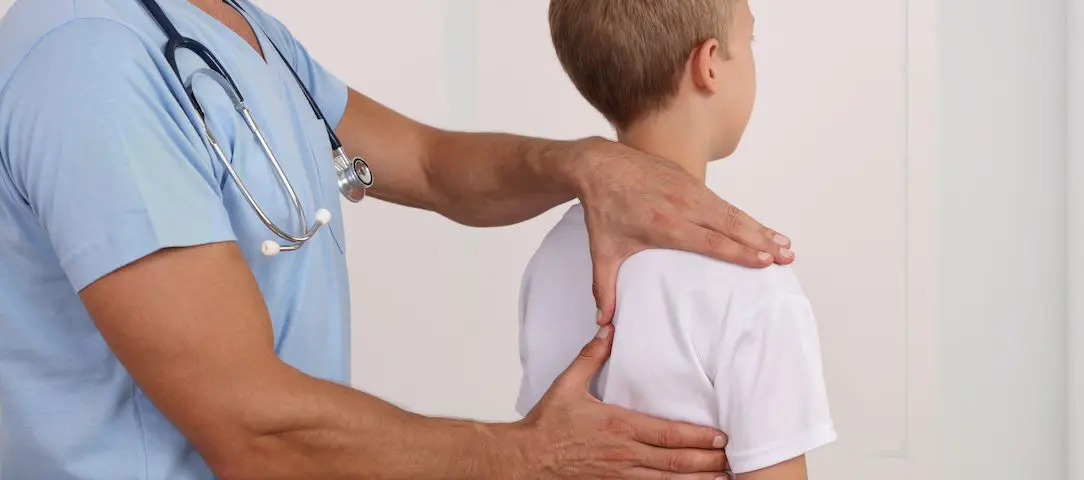
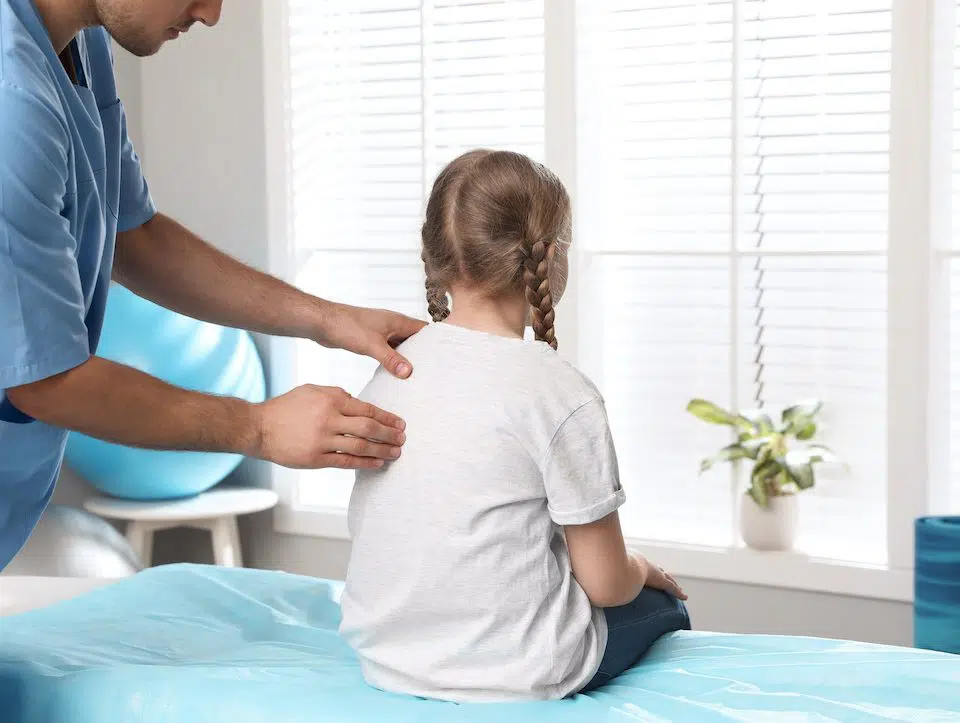
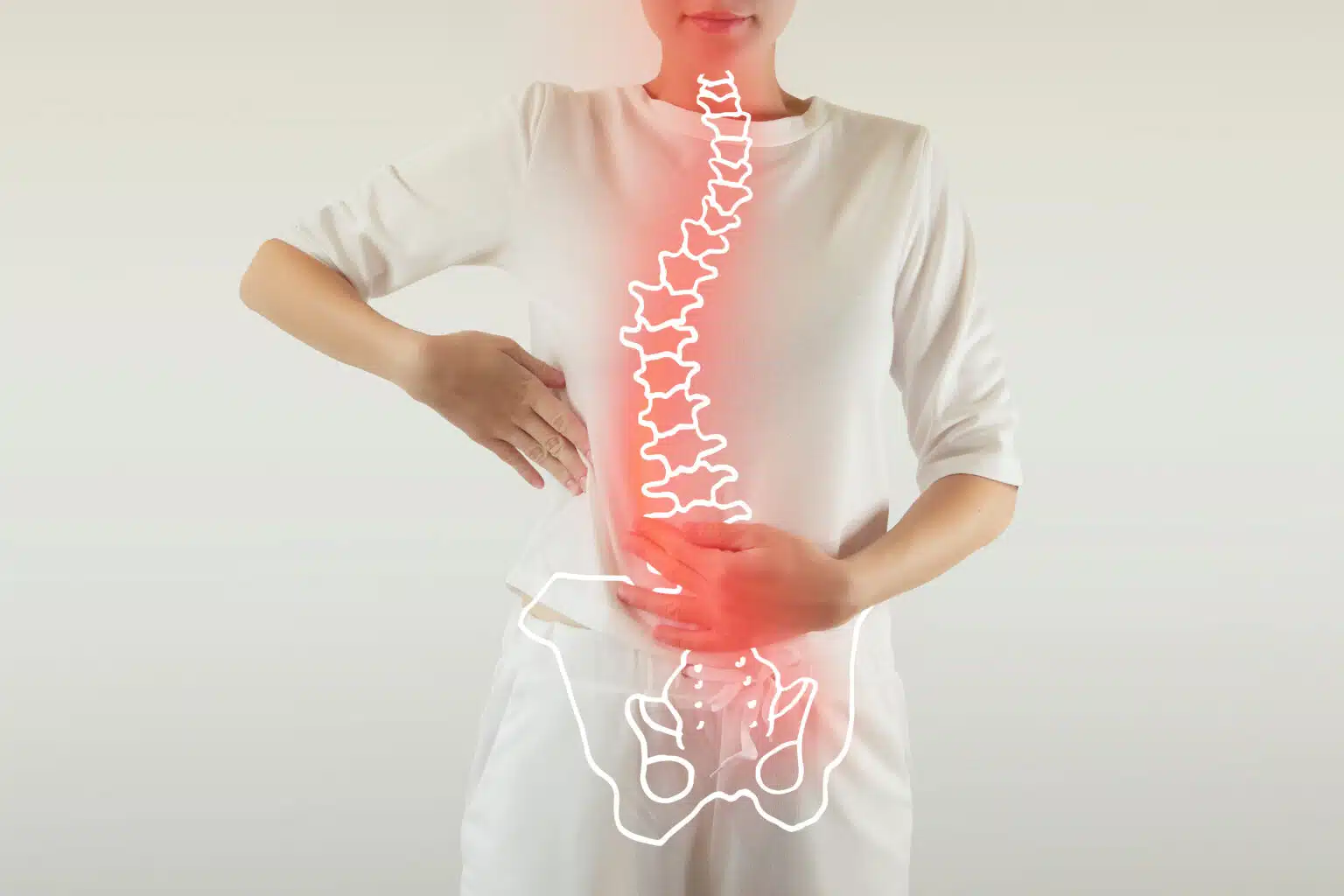
Scoliosis goes beyond making sure your child is sitting up straight. The spine naturally has an inward curve in the lumbar region, however when it is overly curved towards one side of the body, it could signal scoliosis. Scoliosis can be mild or severe, which means the symptoms can vary too. If you suspect your child might have scoliosis, here’s what to look out for.
Scoliosis in Children
When the spine curves over to the left or the right, that is a condition known as scoliosis. This is an all-too-common back problem that millions of children have been screened for over the last few decades. The curve can range from mild, moderate, or severe, with symptoms and risks varying based on the cause. In patients that have scoliosis, the spine often has a ’S’ or ‘C’ shape to them that is noticeable on X-rays and other imaging tests.
If you have a child, there are some key signs you can look out for. Children’s Healthcare of Atlanta mentions to keep an eye out for:
- Uneven shoulder blades or shoulders
- Unequal distance between the arms and body
- Uneven hips
- Ribs that stick out in one area
- Muscles that are prominent in the lower back or that bulge on one side
- Uneven folds at the waist
Other signs of scoliosis can include a dull ache around the spine, a twisted torso or ribcage, and difficulty breathing.
There are less common types of scoliosis that can pop up in children from time to time. Those include:
- Congenital scoliosis – which is where spinal problems appear before the baby is born. Babies with this condition could have spinal bones that are not fully formed or fused together.
- Neuromuscular scoliosis – medical conditions that affect the nerves and muscles, like muscular dystrophy, can lead to this condition. These types of conditions can cause imbalance and weakness in the muscles that hold the spine.
Causes
Around 3 million new cases of scoliosis are diagnosed in the United States every year, with most of them being idiopathic scoliosis. This form is a type that has no specific cause and presents in children from ages 10 to 12 years old. Idiopathic cases can be frustrating since the cause is unknown, however, idiopathic cases are typically easier to treat and manage that curvatures that are caused by:
- Tumors or bone growths pushing the spine of alignment
- Cerebral palsy and muscular dystrophy
- Birth defects
- Infections of the spine
- Injuries to the ligaments and tendons supporting proper alignment
- Leg length inequalities that push your entire skeleton out of line
Who’s at Risk?
Some people are more at risk for scoliosis than others. There are a few risk factors that can increase your child’s likelihood of developing the condition. Though it doesn’t mean your child will get the condition if they fall into any of these categories, risks are typically higher in:
- Females – girls are more likely to develop a curve than boys
- Those going through a growth spurt – fast growth can push the alignment off
- Families that have a scoliosis history – research shows a genetic link
- Teenagers going through puberty – it’s unlikely for adults to develop scoliosis without having injury or tumor
These risk factors involve more than just not sitting up straight. Your spinal column can shift out of sign for a number of different reasons. Most cases are benign, but treatment is still recommended. By monitoring your progress and preventing further development and problems, you are working to make sure your pain doesn’t worsen with time.
Treatment Options
Mild forms of scoliosis that are idiopathic and have no cause can be managed over time. If there is a cause, like a leg length issue, we can work to restore the spine to its original straightness. Common treatment options for scoliosis include:
- Spinal adjustment through proper stretching, traction treatments, and chiropractic adjustment
- Relaxing the muscles through massage and electrostimulation
- Lifestyle changes to promote strength in the back so your spine can be properly supported
In most cases, surgery can be avoided with an early diagnosis and these non-invasive treatment options.
Bring Your Kid in for a Consultation at Texas Spine and Sports Therapy
If you have an inclination that your child has scoliosis, bring them in to Texas Spine and Sports Therapy Center here in Austin. Even if they already have the diagnosis, it’s best to have the condition monitored with annual checkups. Seeing our team occasionally can help prevent the need for surgery. Using non-invasive treatment plans, we can help attack the condition to prevent further life-altering symptoms. Call today for a consultation: (512)-806-0015.