
The Truth About Scoliosis: How It Can Affect Your Spine and Overall Health
February 8, 2023
What Are Spinal Compression Fractures?
February 23, 2023
Sciatica is often caused by an underlying health issue, such as a herniated disc or spinal stenosis. But sciatica pain can also be aggravated by poor walking posture. If you experience sciatica symptoms, evaluating your walking posture might help to provide relief. To determine whether your walking posture is contributing to your sciatica symptoms, take a look at your posture when you walk. Are you walking with an erect stance, or are you leaning forward? Many people lean forward when they walk—not realizing that this can put extra strain on the sciatic nerve and lead to further pain. In this blog post, we will discuss the link between walking posture and sciatica and provide tips on how to improve your walking posture to help reduce or alleviate sciatic nerve pain.
What is Sciatica?
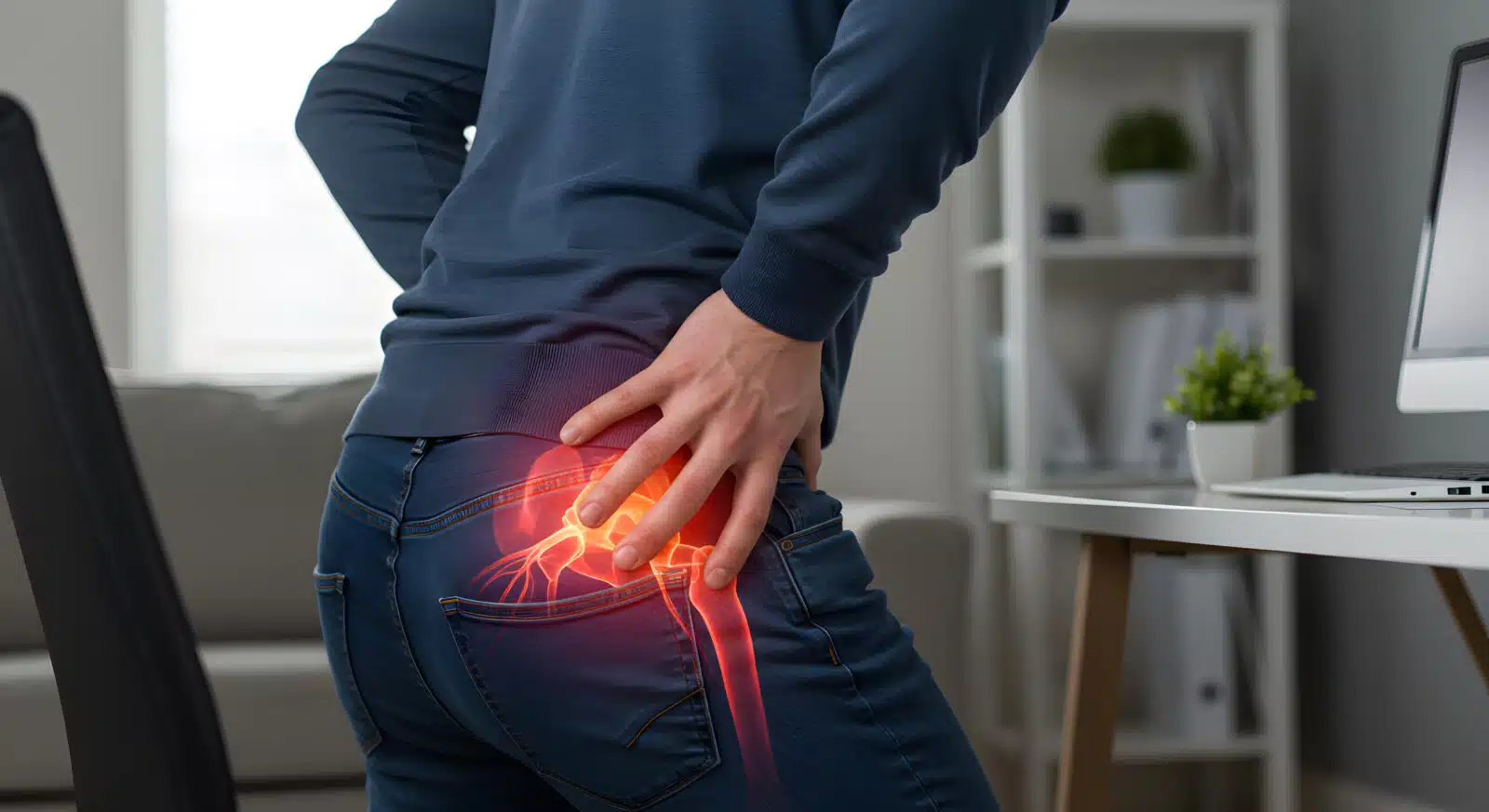
Sciatica is a term to describe pain, numbness, and tingling along the sciatic nerve, which runs from the lower back down through your buttocks and legs. It is also called lumbar radiculopathy, and it’s a pain that originates along your sciatic nerve. This nerve extends from the back of your pelvis down the back of your thigh. Your sciatic nerve is the main nerve in your leg. It is also the largest nerve in your entire body.
Symptoms
Common sciatica symptoms include:
- Pain in the lower back and buttocks.
- A burning or tingling sensation that radiates down the leg.
- Difficulty standing up straight due to pain.
- Numbness or weakness in the legs or feet.
- Difficulty bending, lifting, or walking.
- Shooting pains in the legs and feet.
Causes of Sciatica
Sciatica can happen because of a variety of different conditions, including herniated discs, spinal stenosis, lumbar muscle strain, piriformis syndrome, and even pregnancy. It is important to note that not all cases of sciatica are directly due to back problems; many times it can be caused by tightness in the muscles that surround your sciatic nerve. In other cases, sciatica is caused by poor walking posture.
The Link Between Walking Posture and Sciatica
The way you walk and stand can affect the path of your sciatic nerve from your lower back to your foot. Incorrect walking patterns can cause misalignment, fatigue, and/or excessive stress on your lower back tissues, which can irritate or compress your sciatic nerve roots, causing sciatica.
When you walk, it’s important to maintain good posture with an erect stance rather than a leaning-forward position. This will help reduce the strain put on the sciatic nerve. If your walking posture is poor, it can put extra pressure on the nerve, leading to further pain and discomfort.
How to Improve Walking Posture
When it comes to sciatica, proper walking posture is essential in helping to manage the associated pain and discomfort. By correcting your form while walking, you can help reduce the strain on your sciatic nerve and find relief from sciatica symptoms. With the right treatment plan and a few simple posture adjustments, you can effectively manage your sciatica and get back to living life without pain. To help improve your walking posture and reduce sciatica symptoms, there are a few things you can do:
- Stand up straight with your shoulders back and head held high.
- Make sure your feet are facing forward and pointed straight ahead.
- Engage your core muscles to support your lower back.
- Try to avoid leaning forward as you walk.
- Walk at a steady, comfortable pace.
If poor walking posture is causing your sciatica symptoms, making simple changes to the way you walk can help reduce pain and discomfort. In addition to improving your walking posture, it’s also important to address any underlying causes of sciatica through medical treatment or physical therapy.
Chiropractic Care for Sciatica
At Texas Spine and Sports Therapy Center, we understand that dealing with sciatica can be a challenge. That’s why our team of experienced chiropractic professionals is here to help. Our team offers comprehensive chiropractic care tailored to meet your individual needs, including manual adjustments, corrective exercises, and lifestyle advice to help improve your overall well being. We also use decompression therapy to relieve pressure on the sciatic nerve. If the case is severe enough, surgery may be an option.
Chiropractic care is a safe and effective way to relieve symptoms without the need for medication or surgery. Our experienced team will work closely with you to provide personalized treatment, helping you manage your pain and get back on track quickly and safely. Contact us today to schedule
Make an Appointment with Texas Spine and Sports Therapy Center
If you’re suffering from sciatica and need help managing your pain, the team at Texas Spine and Sports Therapy Center is here to help. We offer comprehensive chiropractic care tailored to each patient’s needs. Our experienced professionals will assess your situation and develop a personalized treatment plan to get you feeling better in no time. Contact us today!