
Heal Faster With Platelet Rich Plasma Therapy
September 18, 2019The Healing Effects of Trigger Point Therapy
October 2, 2019
Our spines are the backbone of our bodies, helping us walk, sit, work, run and move our entire body. However, some will be born with or develop scoliosis, which occurs whenever the spine curves to the right or left and creates an S or C shape. Scoliosis can be mild or severe, and it oftentimes causes a dull ache around the spine and hip and leg misalignments. Many people live with scoliosis without treatment, but if the curvature becomes too great, it can be painful to do everyday activities. Find out how you can live better with scoliosis and what options you have to treat it with this guide!
How Does Scoliosis Develop?
While our spines contribute to nearly every movement we make, they can lose their ability to function as they become misshapen from scoliosis. Scoliosis is an abnormal curvature of the spine that bends too far to the left or right side of the body. This condition is one of the most prevalent among young children across the country, with millions being diagnosed each year. Spines develop an S or C shape with scoliosis, and they can vary from mild to severe. Many patients are born with scoliosis due to a birth defect or medical condition like muscular dystrophy or cerebral palsy. Infections and injuries to the spine often contribute to the development of scoliosis but aren’t as common. Some patients are born with uneven leg lengths that causes the body to adjust and change the curvature of the spine while others have tumors that cause this misalignment. Unfortunately, almost 80% of scoliosis cases are idiopathic, meaning there is no known cause for its development. This can be very frustrating for patients as it makes treatment and lifestyle changes more difficult to undertake since there is no reason behind its appearance. However, there may be some hereditary factors that influence its development since the disorder tends to run in families, but evidence is still inconclusive.
Signs and Symptoms
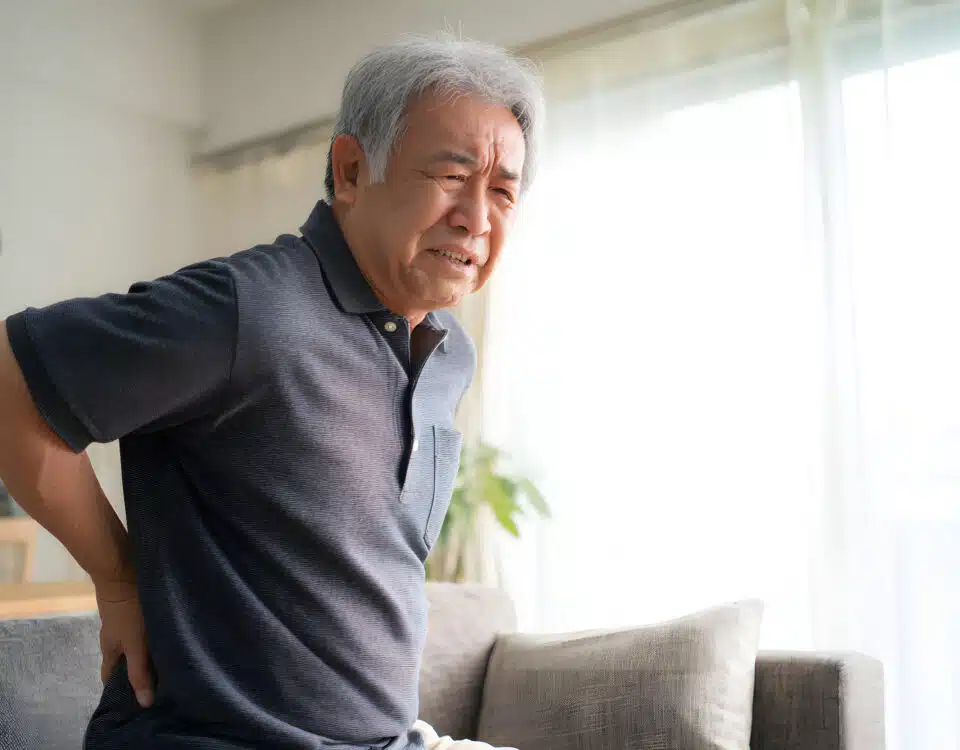
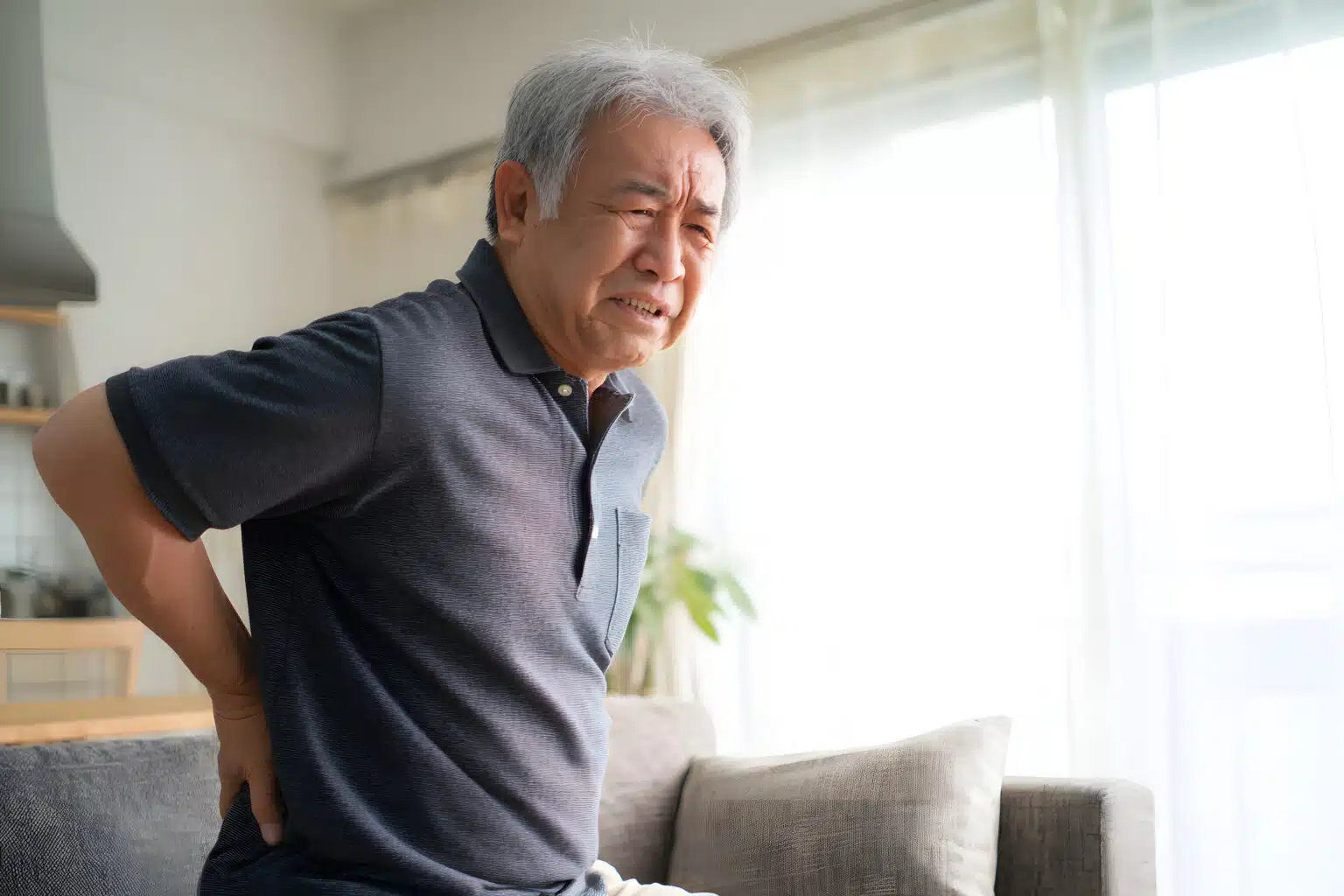
Many patients don’t realize that they have scoliosis until they have a medical screening for it. Children, especially, tend to be diagnosed early on as their bodies change during puberty and scoliosis symptoms become more obvious. Some signs to look out for include uneven shoulders, dull aches around the spine, a twisted torso, an uneven waist and one hip that seems higher than the other. Some patients experience difficulty breathing, which is one sign that the spine may be out of alignment. If you notice that your body is leaning to one side more than the other, it is a good idea to have a screening for scoliosis because something in the spine is out of alignment. While more difficult to identify, if your head isn’t directly centered over your pelvis, that is a sign that something is wrong. Many patients schedule a medical evaluation because they’re experiencing back pain, which is often associated with all forms of scoliosis. Scoliosis can be accompanied by other back disorders like spondylolisthesis, so make sure that a thorough evaluation is completed to identify other underlying causes that could be contributing to your pain.
Treating Scoliosis
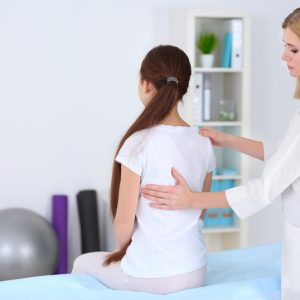
After an evaluation, most patients will have their scoliosis diagnosed with X-ray imaging to determine the extent of the condition. Braces are often recommended for those who haven’t reached physical maturity, like kids, and should be worn for most of the day. Those with curvatures between 25 and 40 degrees benefit from using these braces when worn according to proper instructions. However, if the curvature is greater than 40 degrees in children or 50 in adults, surgically attaching metal rods to the spine is recommended to keep the spine in place while performing a spinal fusion. This type of surgery is only recommended for worst case scenarios and after less invasive options have been exhausted.
Patients with mild scoliosis symptoms benefit greatly from chiropractic adjustments, stretching and other spinal treatments. Massage therapy and electrostimulation are also helpful in treating aches and pains that often accompany scoliosis and help the muscles around the spine relax. Your doctor may recommend certain lifestyle changes, like back strengthening exercises, to strengthen the muscles that help support your spine. Your treatment depends on what your doctor recommends, your needs and what you feel comfortable doing. Always make sure to be medically cleared before engaging in any strenuous or laborious activity that puts added stress on your spine.
Improve Your Back Health With Our Help!
At Texas Spine & Sports Therapy Center, we offer specialized treatments for scoliosis and can help you regain your strength and mobility back. After starting treatment, it’s important that you understand your involvement in your own healing as you will be expected to willingly participate in the various parts of your treatment plan, whether that include lifestyle changes or strengthening exercises. Call our office at 9512) 806-0015 to schedule a consultation and get your health back on track!