

Is Chronic Back Pain Holding You Back?
August 8, 2025
Why Spinal Decompression Could Be the Answer to Your Sciatica
August 22, 2025
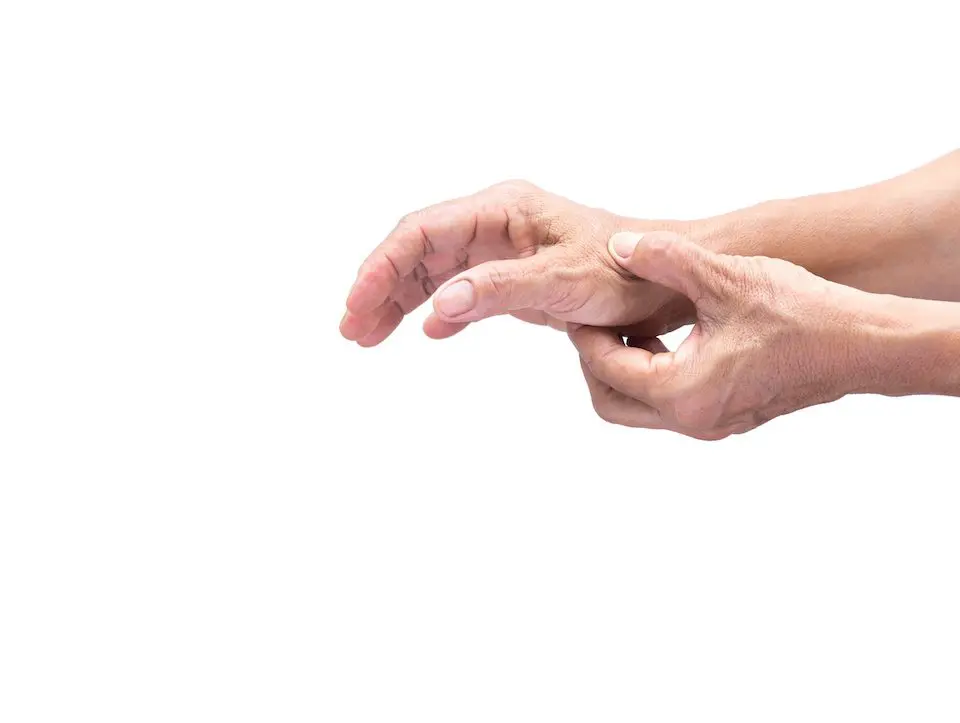
If you’ve ever felt tingling, burning, or numbness in your feet or hands that just won’t go away, you might be dealing with peripheral neuropathy. This condition affects millions of Americans and can range from mildly irritating to completely life-altering.
At Texas Spine & Sports Therapy Center in Austin, TX, we help patients understand what’s happening in their nerves, why it’s happening, and—most importantly—what they can do to find relief.
Here’s what neuropathy feels like, what causes it, and how we can help you manage and improve your symptoms.
What Is Neuropathy?
Neuropathy occurs when peripheral nerves—the nerves outside the brain and spinal cord—are damaged. These nerves are responsible for sending sensory information to your brain and controlling muscle movements. When they’re injured or impaired, signals get disrupted, leading to uncomfortable or even painful sensations.
How Neuropathy Feels
The symptoms of neuropathy can vary depending on which nerves are affected, but many patients describe sensations like:
-
Tingling or “pins and needles” – Similar to when your foot “falls asleep,” but persistent.
-
Burning or stabbing pain – A deep, intense discomfort that can be constant or intermittent.
-
Numbness – Reduced or complete loss of feeling in the affected area.
-
Increased sensitivity – Even light touch or clothing can cause discomfort.
-
Weakness – Muscles may feel weak or heavy, making walking or gripping objects difficult.
-
Balance problems – Nerve damage in the feet can affect coordination and stability.
Neuropathy often begins in the hands or feet and may gradually spread upward. For some, symptoms are mild; for others, they can severely limit daily activities.
Common Causes of Neuropathy
There are many potential causes of nerve damage, including:
-
Diabetes – High blood sugar levels are the most common cause of peripheral neuropathy.
-
Injuries – Trauma or repetitive stress can damage nerves.
-
Nerve compression – Caused by conditions like herniated discs or spinal stenosis.
-
Nutritional deficiencies – Especially B vitamins, which are essential for nerve health.
-
Autoimmune diseases – Such as lupus or rheumatoid arthritis.
-
Certain medications – Including some chemotherapy drugs.
-
Alcohol abuse – Long-term excessive drinking can damage nerves.
In some cases, no exact cause can be identified, which is known as idiopathic neuropathy.
Why You Shouldn’t Ignore Neuropathy
Neuropathy symptoms often start mild, but ignoring them can lead to more severe nerve damage. Left untreated, neuropathy can:
-
Cause chronic pain
-
Lead to muscle weakness and loss of coordination
-
Increase risk of falls and injuries
-
Result in permanent loss of sensation
The sooner you seek help, the better your chances of slowing or even reversing nerve damage.
How We Treat Neuropathy at Texas Spine & Sports Therapy Center
Our goal is to improve nerve function, reduce pain, and restore your quality of life. We use a comprehensive, non-invasive approach that may include:
-
Advanced Diagnostic Testing – To determine the cause and severity of nerve damage.
-
Electrotherapy & Nerve Stimulation – To increase blood flow, promote healing, and improve nerve communication.
-
Class IV Laser Therapy – To reduce inflammation and stimulate nerve regeneration.
-
Nutritional Counseling – To correct deficiencies and support nerve health.
-
Custom Rehabilitation Programs – To improve strength, balance, and coordination.
Our treatment plans are personalized for each patient, targeting both the symptoms and the root cause of nerve damage whenever possible.
What You Can Do at Home for Neuropathy
While professional care is essential, there are steps you can take to support nerve health and reduce discomfort:
-
Manage underlying conditions like diabetes or vitamin deficiencies.
-
Stay active with gentle, low-impact exercises to improve circulation.
-
Avoid alcohol and limit foods high in sugar and unhealthy fats.
-
Wear supportive footwear to protect your feet from injury.
-
Check your feet daily for cuts, blisters, or sores if you have reduced sensation.
When to See a Specialist
You should seek medical attention if you experience:
-
Persistent tingling, burning, or numbness
-
Muscle weakness
-
Sudden onset of severe symptoms
-
Difficulty walking or balancing
-
Symptoms that interfere with your daily life
Find Relief from Neuropathy in Austin, TX
If you’re living with the uncomfortable or painful symptoms of neuropathy, you don’t have to accept it as your “new normal.” At Texas Spine & Sports Therapy Center, we offer innovative, non-surgical treatments to help restore nerve health and get you back to doing the things you love.
Call or request an appointment online today to schedule your consultation and start your journey toward relief.