

Why Fibromyalgia May Be The Cause Of Your Pain
November 7, 2019Reverse Hair Loss With Hair Regeneration Therapy
November 21, 2019
One of the most common foot injuries is called metatarsalgia, which describes pain and inflammation in the ball of the foot. Metatarsalgia is an inflammation of the bones found within the ball of your foot, called metatarsals. When inflamed, irritation can run from the toes all the way through the heel, and it often worsens when walking, running and standing. This type of pain can make it difficult to work long hours on your feet, exercise and simply walk. Certain massage therapies and foot support pads can reduce the irritation and get you back on your feet again. Find out how metatarsalgia occurs, how to treat it and what to do to prevent it from occurring in the future with this guide!
What Is Metatarsalgia?
There are a variety of different physical injuries that a person can experience, but food pain can be one of the most annoying and painful of them all. With a foot injury, it can be nearly impossible to do the things that you used to do, like run, walk and play sports. However, there is a specific foot injury that causes exorbitant amounts of pain and can make just standing seem like an extreme sport. This medical condition is known as metatarsalgia, and it develops when the bones in the ball and front of your foot, called metatarsals, become inflamed. The metatarsals are five long bones that sit beneath the muscle near the front of your feet, right where your foot absorbs most of the pressure that occurs when walking or running. These bones connect to the arches of your feet, which can cause your entire foot to become irritated and painful when overworked. Irritated metatarsal bones can cause numbness and tingling in your toes, sharp pain in the ball of your foot that worsens with use and the feeling that a pebble or small stone is stuck in your shoe. Burning sensations across the ball of your foot can also become present with metatarsalgia, along with stabbing pain in the middle of your arches. Pain can vary from person-to-person, depending on their activity level and the severity of their injury. Luckily, metatarsalgia is not a life-long condition but can be treated easily and quickly so that you can get back on your feet again.
Causes and Risks
When it comes to foot injuries, any of us can experience one. Metatarsalgia is unique, though, since it typically affects runners, especially those who are just beginning to run or are starting a new training regimen. Using improperly fitted shoes, running without sufficient arch support, bad posture, improper running techniques, constant training with little rest and large calluses on the balls of the feet can all lead to metatarsalgia. Being obese or having certain medical conditions like gout and rheumatoid arthritis can increase your chances of experiencing metatarsalgia, as well. Those with high arches, second toes that are larger than their big toe and foot deformities like bunions and hammertoe can cause metatarsalgia to occur frequently and in varying intensities.
Many times, athletes will try to push through the pain and inadvertently worsen their injury and recovery time. Some of the risks that you run when overworking an already injured foot include bruising on the bone, joint swelling in the toes and up through the ankle, stiffness and limited range of motion. However, you might be reading this paragraph and saying to yourself: “None of these issues apply to me. I’m not an athlete and I don’t have any foot deformities. Why am I still experiencing metatarsalgia then?” Unfortunately, there are many cases of non-athletes developing metatarsalgia without injuring their foot or doing something that overextends its capabilities. In these cases, there is no known reason why metatarsalgia occurs, it just simply does. While this may seem frustrating, there are still treatment options available for athletes and non-athletes alike to heal their feet and return to their normal activity levels.
How To Treat Your Foot Pain
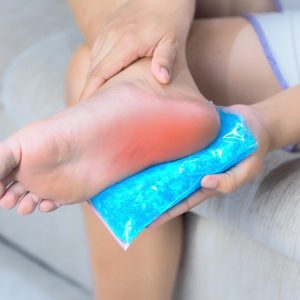
One of the best things that you can do to treat your foot pain is by resting. You protect your foot from further damage and ease the stress that is already occurring within it by getting plenty of rest. This includes avoiding the physical activities that you usually participate in and even icing the affected area for 20 minutes several times each day. Taking an over-the-counter pain reliever like ibuprofen, Advil, Aleve or aspirin can help relieve your inflammation and reduce pain at the same time. It’s a good idea to get better running shoes and include orthopedic inserts or foot support pads to give you the stability you need to stand and move around. You might also consider massage therapy as a way to relieve the pressure and stress around the metatarsal bones in your feet so that they have increased mobility and reduced tension in the muscles around the bones. Each of these recommendations can provide you with the pain relief and healing that you will need to overcome your foot pain as quickly as possible. As always, make sure that your doctor approves of any at-home remedies that you are considering doing to ensure that you’re doing what’s safe and healthy for your body.
Overcome Metatarsalgia With Our Help!
At Texas Spine & Sports Therapy Center, we specialize in helping patients overcome athletic injuries and restore their activity levels again. Whether you’re an athlete or not, we can help you overcome metatarsalgia and get back on your feet again. Call our office at (512) 806-0015 to schedule a consultation with Dr. Shaner to find the pain relief that you’re seeking!