
Get Relief From Chronic Pain with the Egoscue Method
March 16, 2020
Treat Pain With Non-Drug Non-Invasive Electrical Stimulation
April 3, 2020
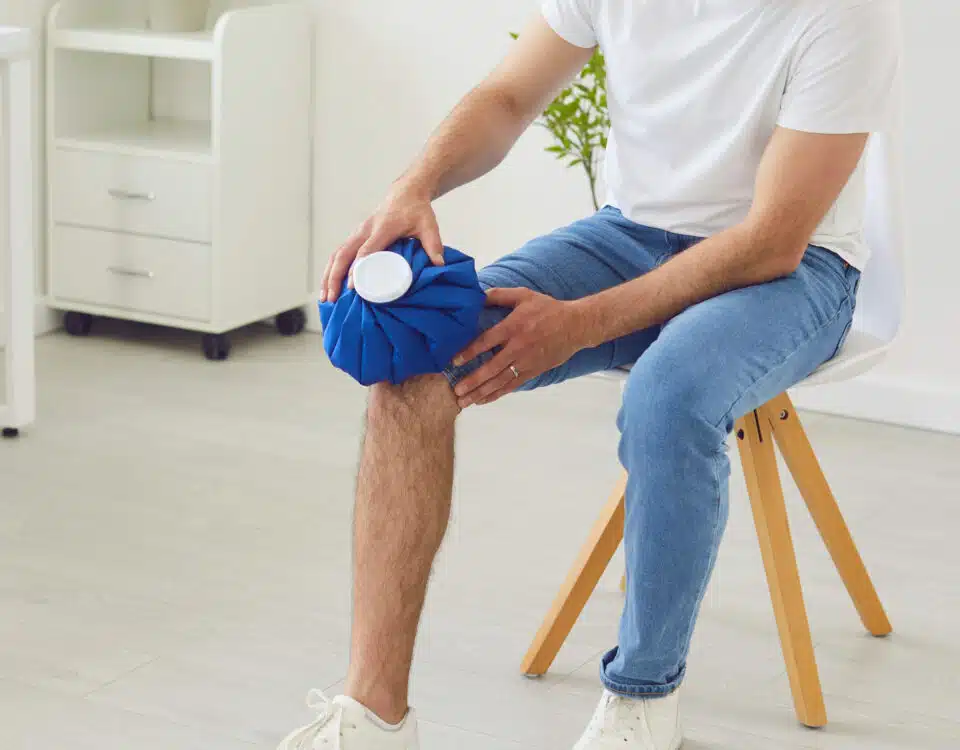
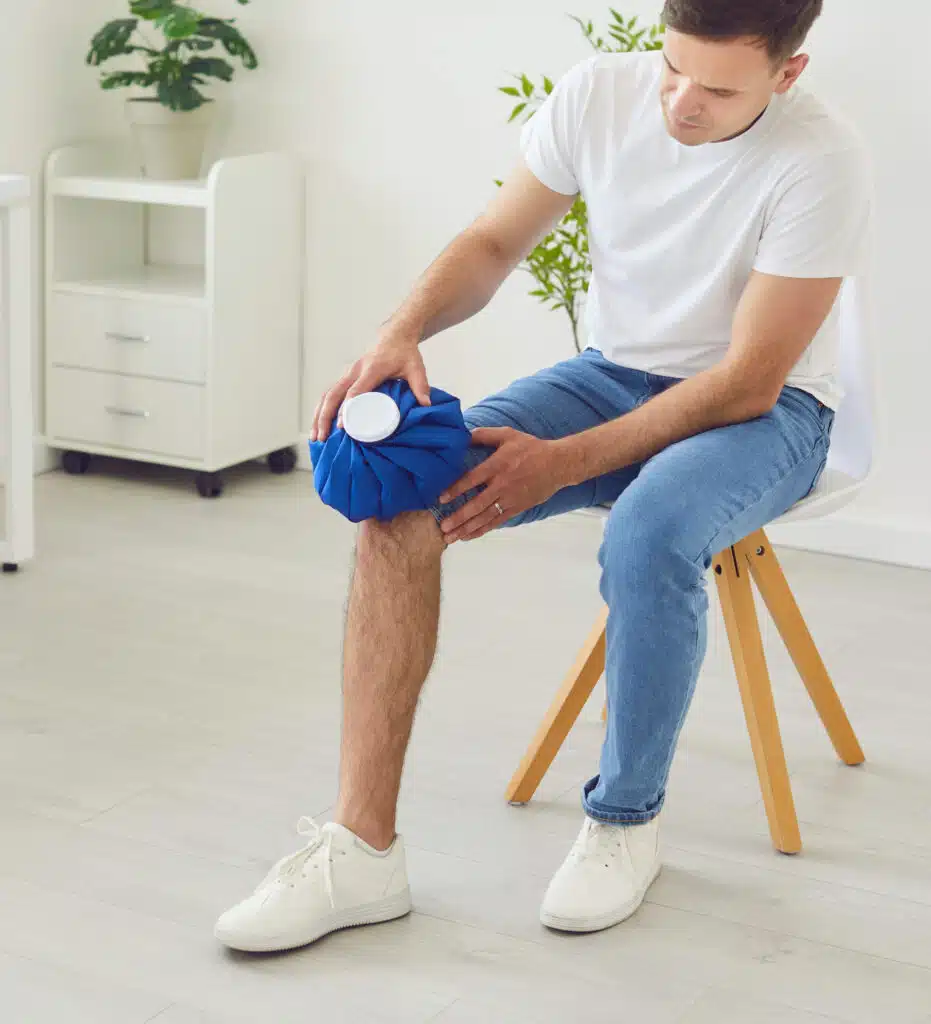
The weather is getting warmer and more and more people are getting outside to exercise. If you begin running this spring and start feeling knee pain, you might be feeling the effects of iliotibial band syndrome, also known as runner’s knee. Running is a great way to stay fit and healthy, but it can be hard to continue if you’re in pain.
Runner’s knee happens with excessive running when pressure is being placed on the knees. If you have knee pain when out on a run, you could be suffering from runner’s knee. Learn more now!
What is Runner’s Knee?
Runner’s knee is the nickname for iliotibial band syndrome (ITBS). The three major joints of the legs are held down with a ligament that runs down the outside of each limb. This is the iliotibial band (IT band). The IT band is the ligament that attaches to the hip, knee, and side of the shin before going down to the ankle. If you didn’t have this band, you wouldn’t be able to walk or move in a proper function.
The IT band is critical for stabilization. Runner’s World explains that the IT band “is a fibrous structure that assists the stability of the leg during the stance phase of the stride, works with the hip muscles in abduction (outward movement) of the thigh and helps to resist torsional movements around the knee joint.”
Over 25% of running-related injuries are attributed to runner’s knee.
Symptoms of Runner’s Knee
Runner’s knee symptoms can make it hard to keep up with your daily exercising and workouts. Common symptoms include:
- Pain and burning on the outer side of the knee
- Irritation and inflammation that begin soon after an activity
- Symptoms that fade with rest but return when active
- Diffused sensations that begin as sharp or stabbing pains
- Inflammation on the outer hip
What Causes Runner’s Knee?
ITBS can be caused by birth defects that affect the knee, but in most cases the problem is caused by the person’s activities. Common causes are:
- Excessive running, standing, or walking
- Inflammation to the bursa, the soft pad that prevents the IT band from rubbing against the bone
- Inadequate rest time
When is it Safe to Run With Knee Pain?
Only you know your body and the extent of your symptoms. With that being said, you have to really listen to your body before you decide to keep exercising. It’s been said that if you rate your pain under a 4 on a scale of 1-10, you can consider continuing to exercise. However, if the pain gets worse, stop immediately. Continuing to exercise on an injured knee can cause long-term lifetime problems if you don’t take time to rest and seek treatment.
Treatment Options
If you seek treatment at the onset of symptoms, you can heal more quickly and get back to running sooner. When you let the injury go on, you risk it never healing completely. If your knee hurts when you run, you have options here at Texas Spine and Sports Therapy. Our treatment options include:
- An MRI scan to see if tendons are swollen
- Instructions on how to exercise to prevent irritation
- Physical therapy stretches to relieve tension in the hips and knees
- Massage and pain management for short term injury
When you first come into your visit here, Dr. Shaner will spend time learning about your health history. Using that information, he will then evaluate how serious your ITBS is. After review, Dr. Shaner will then know how to best treat your injury. Seeing patients regularly that have runner’s knee, Texas Spine and Sports Therapy has a lot of experience in treating this injury and getting you back out on that jog sooner rather than later.
Knee Pain That’s Not Runner’s Knee
If your knee hurts but you’re not sure it’s runner’s knee, come see us. Knee pain is common in people that live active lifestyles. However, if you’re feeling pain, it’s a sign that something isn’t right. Other knee pain causes can be:
- Bursitis of the knee
- Dislocation and injury
- Tendinitis
- Cysts on the cartilage or muscles
- Sprains and strains of the tendons
- Hyper-extension during exercise
- Aging
- Infection
- Tears in the meniscus
Symptoms of these can be tenderness, pain, tingling and numbness, instability, swelling, and popping noises.
Make an Appointment
If you are suffering from iliotibial band syndrome or other knee pain, make an appointment to see Dr. Shaner at Texas Spine and Sports Therapy Center. We can provide customized treatment plans for you so you will know when to rest, when to exercise, and how to get back to working out fast. Call today: (512)-806-0015.