
How To Manage Your Pain
July 11, 2019What Is Spinal Decompression?
July 25, 2019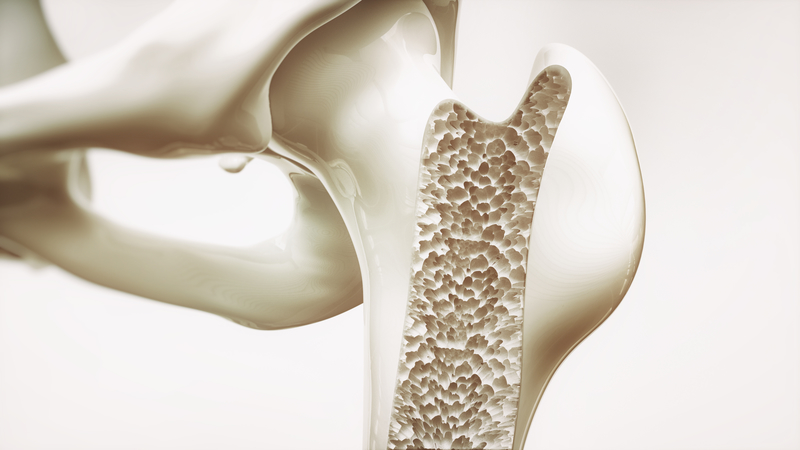
Osteoporosis is a debilitating condition in which bones become weak, fragile and easily break. Osteoporosis refers to bone that is porous and has large spaces inside of it, leaving it susceptible to fracture as the bone breaks down. Although osteoporosis is seen mostly in the elderly, it can affect anyone at any age. However, there are ways to prevent it from forming, such as maintaining a healthy diet, consuming calcium and Vitamin D and regularly exercising. Find out what you can do to keep your bones strong and prevent osteoporosis from developing with these tips!
Understanding Osteoporosis
As we age, our bodies and bones grow old with us, leaving us susceptible to injuries. Taking steps now to protect ourselves from the debilitating effects of bone loss can help us prevent osteoporosis and other diseases from affecting our lives. Osteoporosis is a disease that attacks the strength of our bones, causing them to become brittle and break. The inside of a healthy bone resembles the small holes of a honeycomb, while bones with osteoporosis tend to have much larger spaces that weaken the bone structure. Approximately 40 million people in the U.S. are currently suffering from osteoporosis or are at high risk, with women and the elderly contributing to most of that statistic. Anyone can be affected by osteoporosis, but the elderly are especially susceptible to it as their bodies regenerate new bones at a much slower pace than bone loss develops. During this process, the bones become porous and vulnerable to fracture, with many patients suffering from an osteoporotic fracture in their hips, spines or wrists. Hip fractures are especially delicate injuries as they are known to cause a loss of independence, intense surgical procedures and even death.
One would think that the symptoms of osteoporosis would be more obvious than they are, but many patients don’t find out for many years, if at all, that they have this condition. Most patients only find out about their osteoporosis after they suffer an injury and have their bones reviewed. Back pain, a change in the curvature of the spine and a decrease in height are telltale signs of osteoporosis, but not everyone will experience these changes. To protect yourself, it’s important to understand the causes and risk factors that attribute to the development of osteoporosis so that you can safeguard yourself from its damaging effects in the future.
Causes and Risk Factors
All cases of osteoporosis are caused by a breakdown of the bone in the body, but can vary depending on the person, their age and certain risk factors. We reach our peak bone mass by the age of 30, and after that, our bodies continue to go through a renewal process as old bone is broken down and new bone replaces it. How much bone mass you attained in your youth will influence how likely you are to develop osteoporosis as you get older, with genes and ethnicity playing a role in this process. Unfortunately, just like how you can’t influence your genetic makeup or ethnic background, your sex, age, race and family history are all unchangeable risks that influence the likelihood of osteoporosis. Women are more likely than men to develop osteoporosis, and those of white or Asian descent suffer from it more than any other racial group. If you have family members who have been diagnosed with osteoporosis, you are also at a greater risk for developing it since it runs in the family. Those who don’t consume enough calcium or have eating disorders also have a higher chance for osteoporosis, along with patients who consistently take steroids and other medications, like prednisone and cortisone. Even certain medical conditions like celiac disease, lupus, inflammatory bowel disease and rheumatoid arthritis contribute to bone loss, so special care will be needed to treat these diseases. Bad habits such as alcohol and tobacco consumption damage bones, and living a sedentary lifestyle will prevent your bones from developing strength and porosity, as well.
Treatment Options
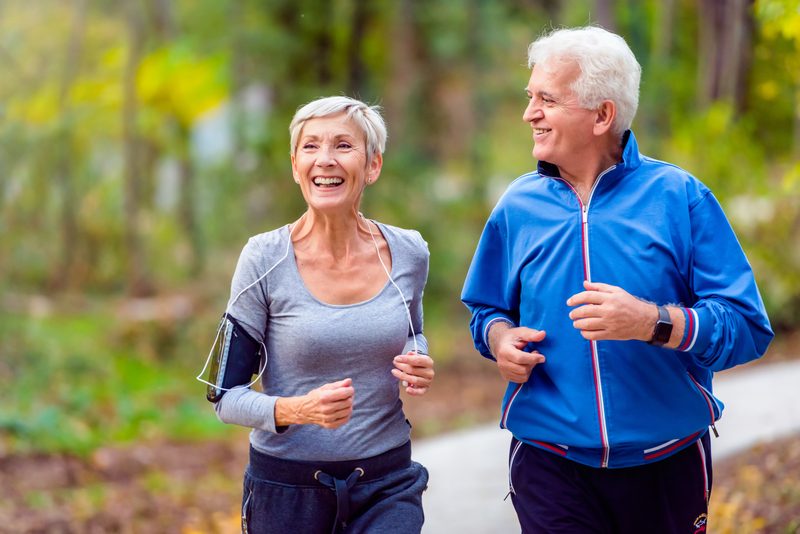
The aforementioned causes and risk factors of osteoporosis is not an exhaustive list, but it sums up the most common influences of bone loss. To combat bone loss that comes from aging, men and women should be consuming more than 1,000 milligrams of calcium per day. You can get this by eating green leafy vegetables, calcium-fortified cereals, salmon and low-fat dairy products. You can even take calcium supplements if your daily diet doesn’t consist of enough calcium. Vitamin D is another nutrient that our bodies need to build strong bones. Vitamin D helps with the body’s ability to absorb calcium, so it’s essential that we receive enough of it each day. Most people get their daily amount of Vitamin D from the sun, but for those that are housebound or in higher elevations, you will need to take a supplement to get enough in your diet. Exercising is an excellent way to increase bone strength and slow bone loss, especially as you participate in weight-bearing exercises like walking, running, jump roping, dancing and skiing. Exercise will help your bones during every stage of life, so make a plan to get up and be active to maintain optimal health.
Free Osteoporosis Consultation
At Texas Spine and Sports Therapy Center, we offer our patients a FREE osteoporosis consultation so that we can help you diagnose your symptoms and develop a specialized treatment plan to improve your health. Call our office today at (512) 806-0015 to schedule a consultation and get your health back on track!