
The Effects of Sciatica: Can It Cause Chronic Back Pain?
November 15, 2024
Effective Treatments for Sciatica at Texas Spine & Sports Therapy Center
December 5, 2024
Whether you’re a weekend warrior, a seasoned athlete, or just someone looking to stay active, maximizing your athletic potential and preventing injury should be a top priority. At Texas Spine & Sports Therapy Center, we believe that recovery and performance go hand-in-hand—and two key treatments that can enhance both are massage therapy and Active Release Technique® (ART).
These therapies not only help manage pain and tension but can also improve flexibility, strength, and overall athletic performance. In this blog, we’ll dive into how these treatments work and why incorporating them into your wellness routine can help you achieve your athletic goals.
1. The Power of Massage Therapy for Athletes
Massage therapy is more than just a relaxing experience—it’s an essential tool for athletic recovery and performance enhancement. Here’s how regular massage therapy can help athletes of all levels:
Muscle Recovery and Tension Relief
Massage therapy helps reduce muscle tightness and soreness, which is especially beneficial after intense workouts, long runs, or sporting activities. By increasing blood flow to the muscles, massage encourages the removal of metabolic waste (like lactic acid) that can build up during exercise. This promotes faster recovery, reduces inflammation, and helps keep muscles flexible and limber.
Improved Range of Motion
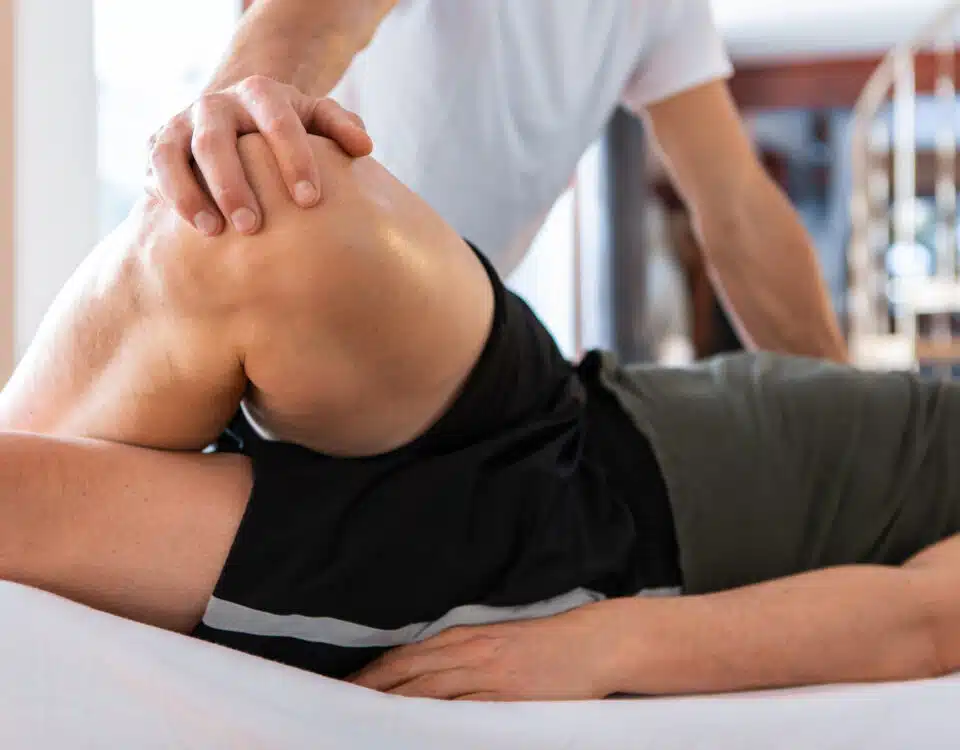
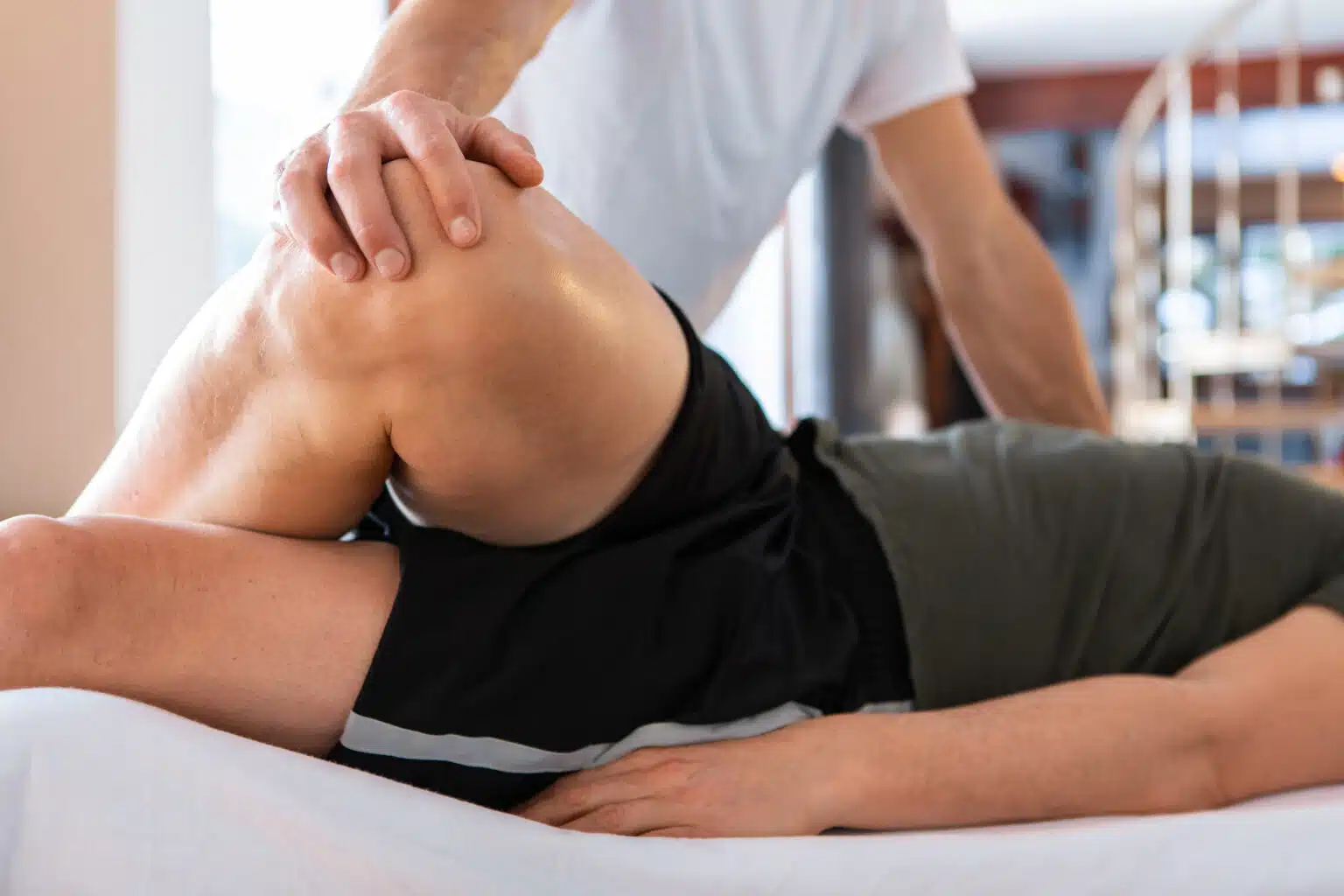
Regular massage can help prevent stiffness and improve joint mobility. Whether it’s from repetitive movements in a sport or general muscle tightness, massage therapy helps improve flexibility, which in turn enhances your athletic performance. Having an increased range of motion can give you a competitive edge, allowing for better technique, faster speeds, and greater agility.
Injury Prevention
One of the most significant benefits of massage is its role in preventing injury. By working on specific muscle groups and connective tissues, massage can identify and address imbalances, muscle knots, or areas of tension that may predispose an athlete to injury. Routine massages can help keep the muscles and fascia (the connective tissue around muscles) healthy and free of restrictions, reducing the likelihood of strains or sprains.
2. Active Release Technique®: Targeted Soft Tissue Treatment
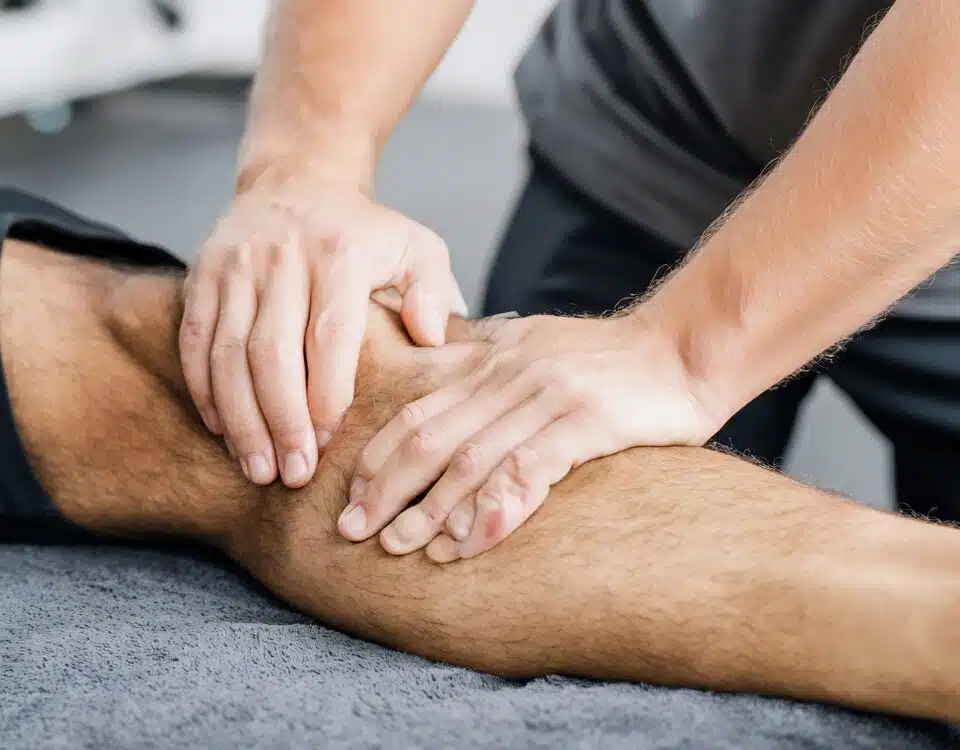
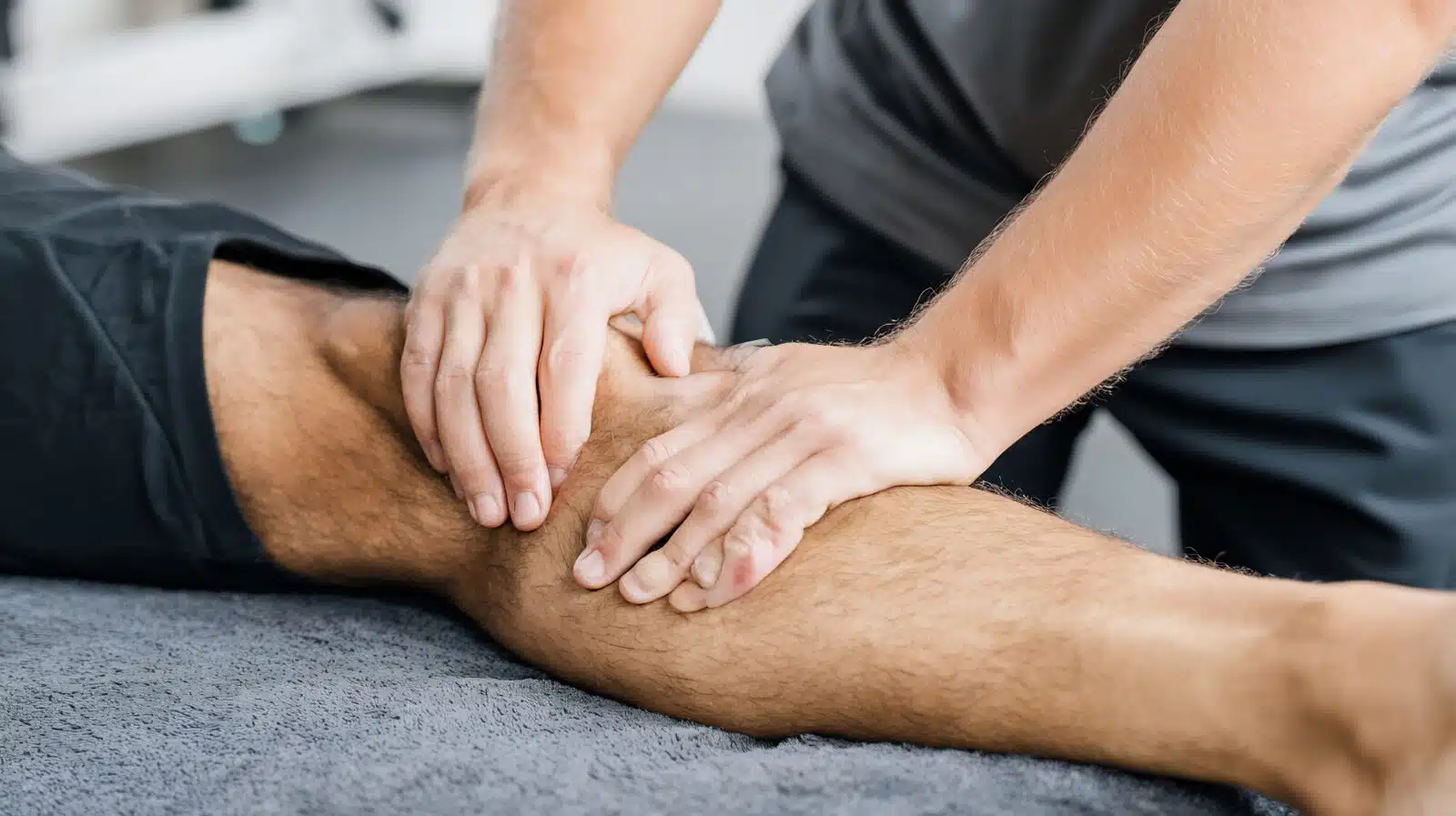
Active Release Technique® (ART) is a specialized, hands-on technique designed to treat soft tissue injuries and dysfunctions. ART uses specific movements and pressure to release muscle adhesions, tightness, and scar tissue that can develop due to overuse or injury. Here’s how ART can enhance athletic performance:
Relieves Soft Tissue Tension and Scar Tissue
When muscles, tendons, or ligaments are overstressed or damaged, they can develop adhesions or scar tissue that limit mobility and cause pain. ART helps break down these adhesions by applying targeted pressure while guiding the muscle through specific movements. This helps restore the tissue’s normal function, improves blood flow, and promotes faster healing.
Restores Muscle and Joint Function
Whether you’re experiencing chronic pain from an old injury or acute discomfort from repetitive movement, ART can help restore the proper function of muscles and joints. By targeting the root cause of the issue (such as muscle imbalances or restricted fascia), ART can significantly reduce pain and improve overall movement patterns, which can enhance your athleticism and reduce the risk of further injury.
Enhances Mobility and Flexibility
ART isn’t just for recovery—it can also be used to enhance performance. By releasing tight, restricted muscles and increasing the range of motion, ART can help athletes move more efficiently and with less effort. Whether you’re sprinting, cycling, or lifting weights, better mobility allows for better form, strength, and endurance.
Speeds Up Recovery from Injuries
Active Release Technique® is incredibly effective for treating specific athletic injuries, such as tendonitis, shin splints, tennis elbow, IT band syndrome, and even plantar fasciitis. ART accelerates recovery by promoting healing, reducing inflammation, and improving circulation in the affected area. With ART, you can return to your sport faster and more efficiently—without risking re-injury.
3. Massage Therapy and ART Together: A Winning Combination
While massage therapy and ART each offer unique benefits, combining them can produce even better results. Both therapies work to target the soft tissues of the body, but they address different aspects of the muscle recovery and performance cycle.
- Massage Therapy is excellent for relaxing muscles, improving circulation, and managing overall muscle tension.
- ART, on the other hand, is highly targeted and works to resolve specific issues such as muscle adhesions, scar tissue, and chronic pain that can hinder athletic performance.
When used together, these treatments can work synergistically to ensure your muscles are both relaxed and functionally optimized for peak performance. For example, a massage can help alleviate general muscle tightness, while ART can focus on deeper soft tissue problems, such as scar tissue or adhesions.
4. How to Incorporate Massage and ART into Your Routine
To truly maximize the benefits of these therapies, consistency is key. Here are some tips on how to incorporate massage therapy and ART into your athletic routine:
1. Schedule Regular Sessions
Whether you’re recovering from an injury or just maintaining your athletic performance, try to make massage therapy a regular part of your wellness routine. Scheduling a massage every few weeks can help you stay loose and prevent injuries. If you’re actively training for an event or dealing with specific aches and pains, consider more frequent sessions.
2. Use ART for Targeted Issues
If you’re experiencing chronic pain or tightness from specific areas (e.g., shoulders, hips, knees), ART can be a great way to directly address those issues. Consider seeing a provider trained in ART if you’re dealing with persistent muscle or joint pain that isn’t improving with standard treatments.
3. Pair Treatments with Your Workout Routine
Massage therapy can be a great way to recover after an intense training session, while ART can help address any soft tissue injuries you may be dealing with. By scheduling both therapies around your workouts—such as a post-workout massage and a monthly ART session—you can optimize recovery and performance.
5. Get Started with Texas Spine & Sports Therapy Center
At Texas Spine & Sports Therapy Center, our skilled team of therapists is dedicated to helping athletes achieve their peak performance and recover from injury. Whether you’re looking to prevent injury, recover faster, or improve your flexibility, our massage therapy and ART services are tailored to meet your individual needs.
If you’re ready to take your athleticism to the next level, don’t wait—contact us today to schedule your appointment. Let us help you unlock your full potential!