

Can Sciatica Affect Walking?
February 16, 2024
The Hidden Threat – Osteoporosis and Your Spine
February 29, 2024
Spinal compression fractures can be a daunting experience, often resulting in intense pain and significant lifestyle adjustments. Here, we’ll explore the nuanced landscape of spinal compression fractures, shedding light on their causes, symptoms, and effective treatment options. Whether you’ve recently faced such an injury or are simply seeking to broaden your medical knowledge, this comprehensive guide will equip you with the information you need for a thorough understanding of spinal compression fractures.
Unpacking the Basics of Spinal Compression Fractures
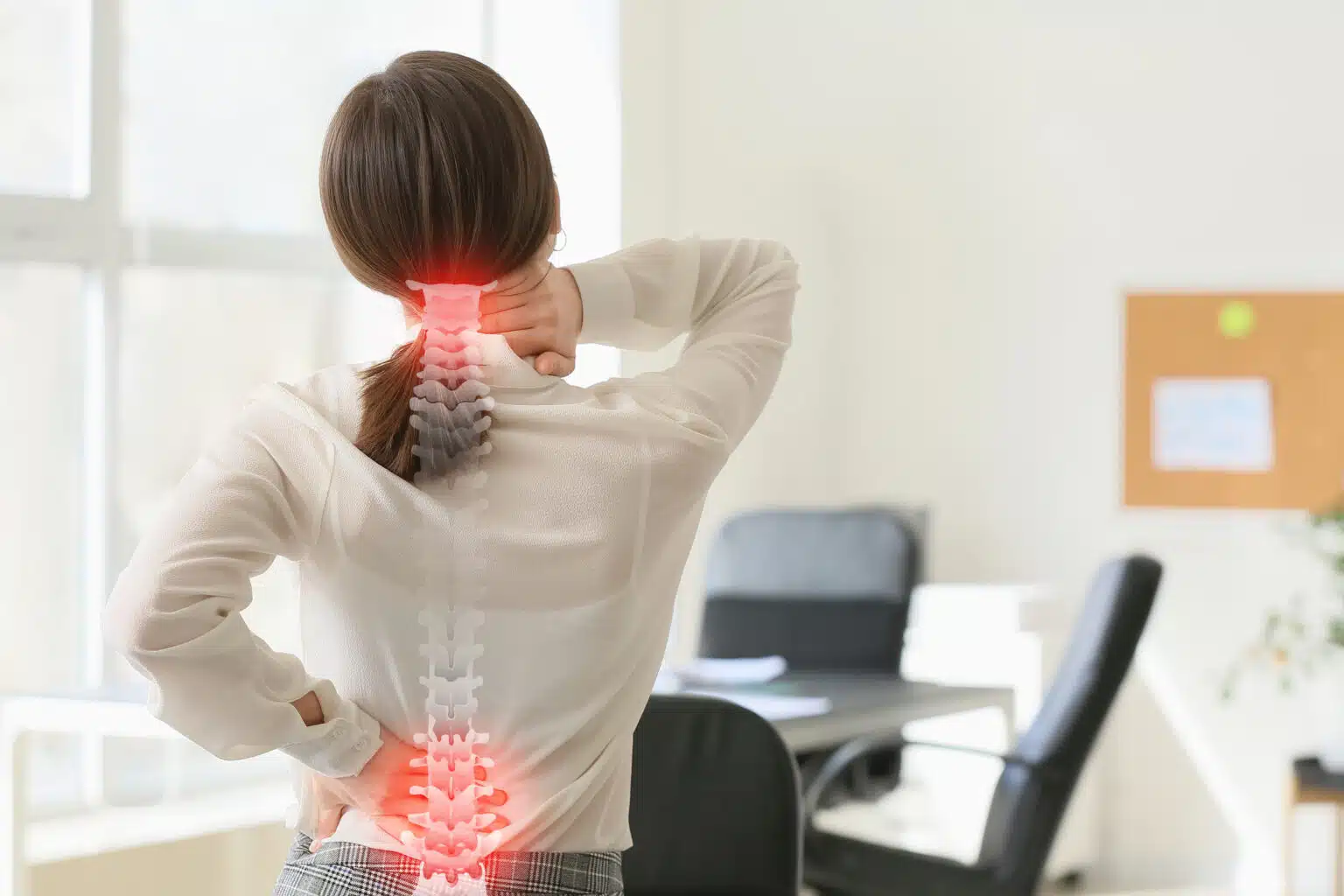
A spinal compression fracture is a collapse of a vertebrae bone in the spine, which can have a severe impact on an individual’s mobility, comfort, and overall quality of life. These fractures most commonly occur in the lower part of the thoracic spine or the lumbar spine, sometimes due to significant trauma but often as a result of seemingly minor incidents when the bone has weakened over time. Understanding the underlying causes is the first step toward both prevention and effective treatment.
Demystifying the Causes
Numerous factors can contribute to the occurrence of spinal compression fractures. Osteoporosis, a condition characterized by the weakening of bones, is a primary cause, as it decreases bone density and the body’s ability to absorb shocks. Trauma, such as a fall, can also lead to these fractures, particularly in older adults whose bones are less resilient. Additionally, certain risk factors, including age and gender, may amplify the likelihood of experiencing a spinal compression fracture.
Spotting the Indicators
Recognizing the signs and symptoms of a spinal compression fracture is critical to obtaining prompt medical intervention. Common indicators include sudden, severe back pain that worsens when standing or walking, limited spinal mobility, and potential loss of height. Some individuals may experience a stooped posture, known as kyphosis, as the fracture causes the spine to curve forward abnormally. Regular monitoring of discomfort and making note of any concerning changes in posture can be key to early detection.
Navigating Diagnosis and Treatment Paths
When it comes to spinal compression fractures, swift and accurate diagnosis is essential for the formulation of an effective treatment plan. We’ll explore the diagnostic process, the available treatment options, and considerations for recovery.
The Diagnostic Journey
Physicians rely on a variety of diagnostic tools to confirm a spinal compression fracture. X-rays are often the initial step, providing a clear visual of the bone structure. However, for a more in-depth view, a CT scan or magnetic resonance imaging (MRI) may be necessary. These tests not only verify the presence of a fracture but also assess its severity and the potential impact on the spinal cord or nerves. A bone density scan might also be recommended to evaluate the risk of fractures due to osteoporosis.
Tailoring Treatment to the Patient
Treatment for spinal compression fractures aims to reduce pain, stabilize the spine, and prevent further injury. In mild cases, rest, pain medication, and back braces may be sufficient. For more severe fractures, requiring surgical intervention to stabilize the spine and restore vertebral height, several options are available—vertebroplasty and kyphoplasty, minimally invasive procedures to inject bone cement into the fractured vertebra and reduce pain, are among the most common. The choice of treatment is personalized, taking into account the patient’s overall health, the location and type of the fracture, and their preferences.
The Road to Recovery
The recovery process following a spinal compression fracture can be lengthy and challenging. Physical therapy plays a crucial role in restoring strength, flexibility, and function to the affected area. Patients are often advised to engage in exercises that promote posture correction and body mechanics, as well as those that target the abdominal muscles to support the spine. Rebuilding bone density through nutrition, supplements, and medication regimens is another vital aspect of long-term recovery, particularly for individuals with osteoporosis.
Lifestyle Management and Prevention Strategies
Lifestyle modifications can significantly impact the management of spinal compression fractures and decrease the risk of future injuries. We’ll explore various practices and preventative measures that patients can incorporate into their daily routines.
Incorporating Safe Practices
Preventing spinal compression fractures can be as simple as implementing safe practices, especially for those at higher risk. This includes practicing good posture to avoid undue stress on the spine, using proper lifting techniques to protect against trauma, and maintaining a balanced, nutrient-dense diet that promotes bone health. Regular weight-bearing exercises, under the guidance of a healthcare professional, can strengthen bones and reduce the risk of osteoporosis-related fractures.
Adapting Your Environment
Making adjustments to the home environment can mitigate the risk of falls and reduce the impact of potential accidents. Simple modifications, such as removing tripping hazards, installing grab bars in the bathroom, and using non-slip rugs, can create a safer living space. Furthermore, ergonomic furniture and supportive aids, including lumbar cushions and walking aids, can provide additional stability and comfort, especially during the recovery period.
A Holistic Approach to Health
An integrative approach that acknowledges the interconnected aspects of health can yield beneficial outcomes for individuals with or at risk for spinal compression fractures. Engaging in stress-reducing activities like yoga or meditation can guard against tension-induced pain, while regular health check-ups can ensure that any underlying conditions, such as vitamin deficiencies, are promptly addressed. Consciously balancing both physical and mental health contributes to an overall well-being that supports the body’s healing and resilience.
How Chiropractic Care Can Help
Chiropractic care offers a non-invasive, drug-free approach to managing spinal compression fractures. Chiropractors are trained to identify and treat musculoskeletal concerns, including those related to the spine. They may use gentle manipulations and adjustments to realign the vertebrae and alleviate pressure on nerves. These techniques can help reduce pain, improve mobility, and support the body’s natural healing processes. Additionally, chiropractors may recommend exercises and stretches to promote spine stability and prevent future injuries. Consultation with a qualified chiropractor can be an excellent addition to a comprehensive treatment plan for spinal compression fractures.
Make an Appointment with Texas Spine and Sports Therapy Center
If you or a loved one are experiencing symptoms of a spinal compression fracture, it’s essential to seek prompt medical attention. At Texas Spine and Sports Therapy Center, our team of experienced healthcare professionals provides comprehensive diagnostic services and personalized treatment plans for individuals with spine-related concerns. Contact us today to schedule an appointment and take the first step towards optimal spinal health.