
The Link Between Neck Pain and Your Back
April 28, 2023
When to Worry About Back Spasms: Spotting the Signs of a Larger Injury
May 11, 2023
Did you know that something as simple as poor posture or everyday activities could put you at risk for a herniated disc? When we think about herniating a disc, the usual culprits are strenuous sports or heavy lifting. We don’t often realize that even day-to-day activities can contribute to disc herniation. In this blog post, we’ll discuss some unexpected ways you could be at risk of a disc injury and how to prevent them.
What is a Herniated Disc?
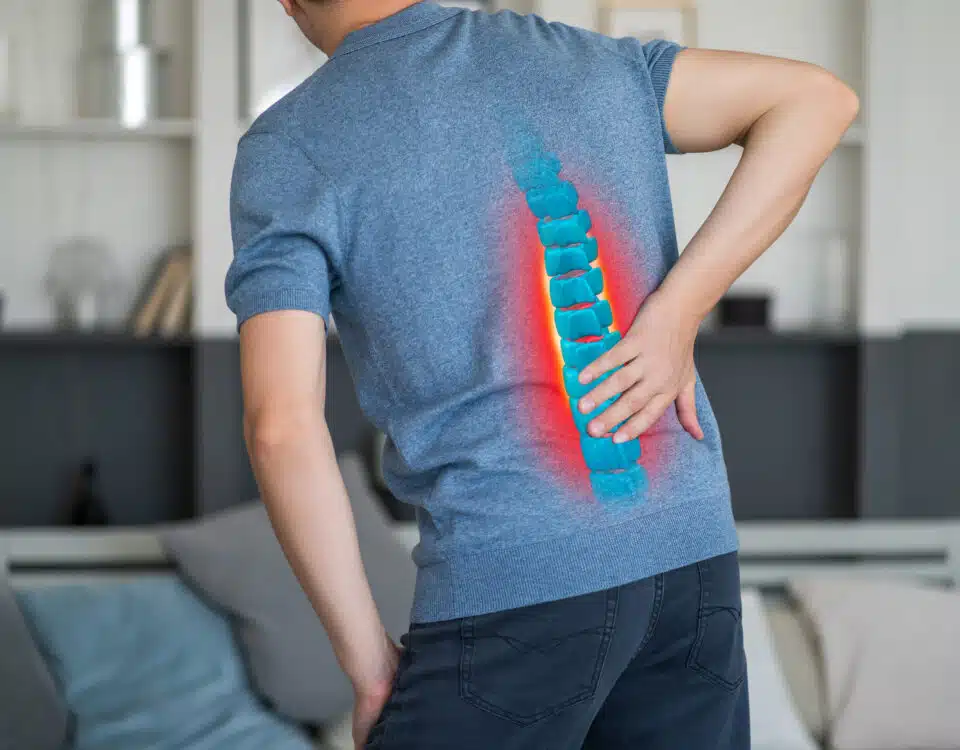
First, let’s start by defining what a herniated disc is. A herniated disc is when one of the cushions between your spine’s vertebrae—called discs—pushes out of place and can pinch a nerve root. This causes pain in the lower back, as well as other body parts depending on which nerve is affected. There are a number of causes for herniated discs, some more obvious than others.
Symptoms
Most herniated discs occur in the lower back, but they can also occur in the neck. Signs and symptoms depend on where the disk is situated and whether the disk is pressing on a nerve. Herniated disks usually affect one side of the body.
- Arm or leg pain. If your herniated disk is in your lower back, besides pain in your lower back, you’ll typically feel pain in your buttocks, thigh and calf. You might have pain in part of the foot as well.
- For a herniated disk in your neck, you’ll typically feel the most pain in your shoulder and arm. This pain might shoot into your arm or leg when you cough, sneeze or move into certain positions. Pain is often described as sharp or burning.
- Numbness or tingling. People who have a herniated disk often have radiating numbness or tingling in the body part served by the affected nerves.
- Weakness. Muscles served by the affected nerves tend to weaken. This can cause you to stumble, or affect your ability to lift or hold items.
You can have a herniated disk without symptoms. You might not know you have it unless it shows up on a spinal image.
Surprising Reasons You Could be at Risk for Herniating a Disc
- Poor Posture: Poor posture can contribute to wear and tear on your spine over time, weakening the discs in your spine and making them more susceptible to herniation. Over time, the unnatural positioning of your spine caused by poor posture can cause bulging discs between the vertebrae in your spine.
- Prolonged Sitting: Sitting for long periods at a time puts added pressure on your lower back and lumbar spine, which can result in disc herniation. Make sure to take breaks from sitting every hour or so to give your back a break.
- Incorrectly Lifting Heavy Objects: You’re at risk for herniated discs if you frequently lift heavy objects incorrectly, such as lifting with your back instead of using your legs. Improper lifting puts added pressure on the lumbar spine, which can cause discs to herniate.
- Smoking: Smoking can increase your risk of a herniated disc due to the way it affects circulation. The nicotine in cigarettes restricts blood flow and oxygen to the discs in your spine, which can cause them to become weak.
- Poor Nutrition: Eating an unhealthy diet that’s low in essential vitamins and minerals may make you more likely to experience disc herniation. Eating a nutrient-rich diet helps keep your discs healthy and strong and less prone to injury.
Preventing Herniated Discs
The best way to prevent a herniated disc is by practicing healthy lifestyle habits. Make sure you maintain good posture and take breaks from sitting when possible. When lifting something heavy, make sure to use your legs and not your back. Additionally, regular exercise can help strengthen your core and spine muscles to help prevent disc herniation. Lastly, make sure to get enough rest—your body needs it to heal and regenerate.
Treatment
We offer a selection of innovative treatments that provide effective pain relief and promote long term healing, which include:
- Spinal Decompression Therapy and chiropractic spinal manipulation to release pressure on the affected disc or discs
- Class IV DIOWAVE Laser Therapy
- Injections of cortisone to provide long term pain relief without dangerous medications
- Massage to relieve swelling or tension
- Tracking of bulging discs that aren’t causing symptoms
- Medically supervised weight loss to relieve strain on the entire spine
Make an Appointment with Texas Spine and Sports Therapy Center
If you’re experiencing back or neck pain, make an appointment with Texas Spine and Sports Therapy Center for a comprehensive evaluation. Our experienced team of specialists will evaluate your condition and discuss treatment options that best fit your needs. Contact us today to schedule an appointment!