
Sidelined by Foot Pain? It Could Be Metatarsalgia
July 21, 2021
What is a Charley Horse?
August 3, 2021
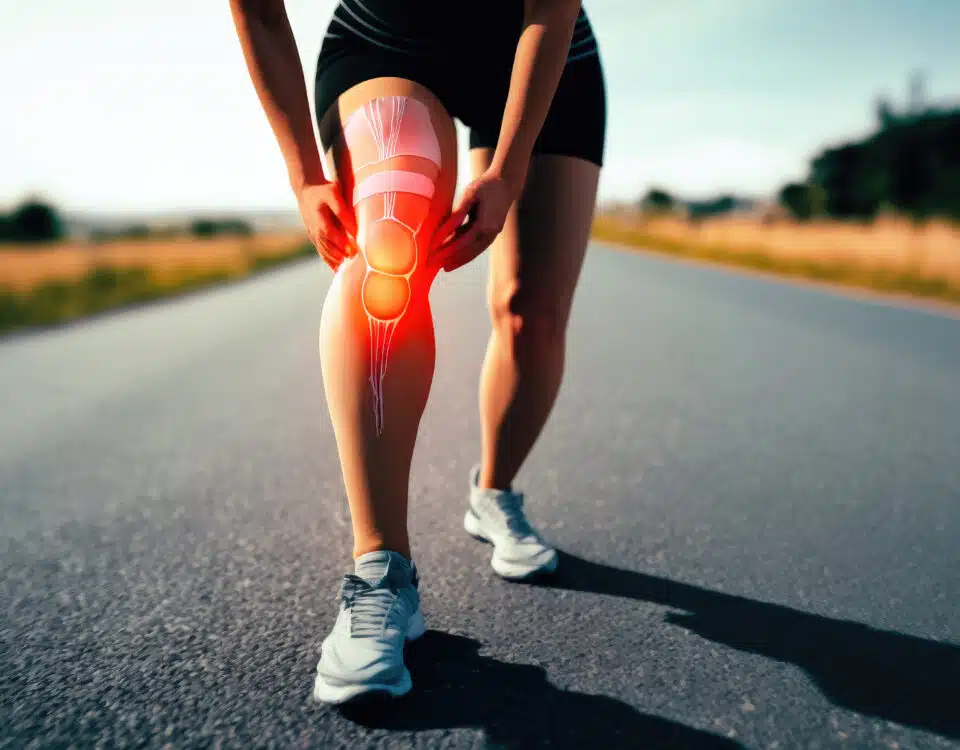
Many people enjoy running as a form of staying alive and relieving stress. While running is a way to stay healthy, avid runners can experience what’s known as runner’s knee. Runner’s knee is an umbrella term used to describe several different types of conditions that use pain around the patella, known as the kneecap.
If you don’t seek treatment when you begin to have knee pain, you could risk having to give up running for good or suffering permanent damage to your legs. Don’t let this happen to you. Read on to learn more about why running is important — and how to do it safely.
The Benefits of Running
Going for a run is one of the most popular forms of exercise. Not only is it a popular form of exercise, but studies have proven that running even just 5 minutes a day could help reduce your risk of death from heart attacks, strokes, or other common diseases. However, these same studies show that these benefits don’t exceed running past 4.5 hours a week. This means that there’s no need to run for hours each day — a little goes a long way. The amount of jogging that should be done varies from person to person and is dependent on where your current fitness level stands and what your goals are.
There are many benefits to staying active, including keeping in physical shape and maintaining cardiovascular health. However, while staying active is important, it’s also important that you do it correctly. Each time you exercise, you should be warming up, following good form, and stretching afterwards.
The Key to Running Properly
Even if you have been running for a while, it’s important to take it back to basics every now and then and check your form. Hitting the treadmill or the road to run is a good way to workout, however, just like with every exercise, proper technique is key in preventing injury. To perfect your running form, follow these tips from experts:
- Stand tall and think about keeping your ears in line with your shoulders. Your gaze should stay about 15 to 20 feet ahead of you.
- Maintain a 90-degree bend in your elbows and avoid crossing over midline.
- Inhale through your nose and exhale through your mouth to avoid breathing too rapidly.
- Lightly cup hands and pretend you are holding a potato chip between thumbs and forefingers to avoid clenching.
- Lean slightly forward at ankles, maintaining about a 10-degree bend.
- Don’t put too much focus on how your foot hits the ground, but avoid leaping forward.
Signs of Runner’s Knee
Runner’s knee, also known as iliotibial (IT) band syndrome, occurs when this band becomes irritated due to how you run. It can occur because of wearing shoes that don’t fit right, poor running technique that twists the leg as it hits the ground, not enough rest between running sessions, insufficient warm up, and more. Additionally, a fall or injury can also strain the IT band and cause it to become sore and painful. When this happens, the pain is usually constant and not just brought on by exercising. Other causes can include:
- Excessive running, standing, walking, or other exercises that work the legs heavily.
- Inflammation to the bursa, which is a soft pad that prevents the IT band from rubbing against bone.
- Inadequate rest for healing when pain begins.
Common signs of this condition are:
- Pain and burning on the outer side of either knee.
- Irritation and inflammation that appears just a few minutes after you begin an activity.
- Symptoms that fade with rest but return when you’re active.
- Minor to no swelling.
- Diffused sensations that begin as sharp or stabbing pains.
- Inflammation on the outer sides of the hip.
If your symptoms are lasting longer than one week, it’s time to seek help from a medical professional.
Treatment for Knee Pain
IT band syndrome can be corrected, especially when treated at the onset of symptoms. Don’t wait to get help and risk further damage to your knee. At Texas Spine and Sports Therapy Center, we offer treatments for your knee pain like:
- MRI scans to determine if the tendons are swollen or enlarged.
- Instruction on adjustments to your exercise routine to eliminate the irritation.
- Gentle guided stretching to help you eliminate tension in the hip or knee.
- Massage and pain management for short term injury.
The quickest way to get back on the pavement is by making an appointment with Texas Spine and Sports Therapy Center. Dr. Bart Atencio and our professional team will determine if your condition is due to a running injury or if it’s a larger issue.