
Walk Away from Foot Pain with Texas Spine and Sports Therapy Center
November 4, 2021
What Migraine Sufferers Need to Know
November 15, 2021
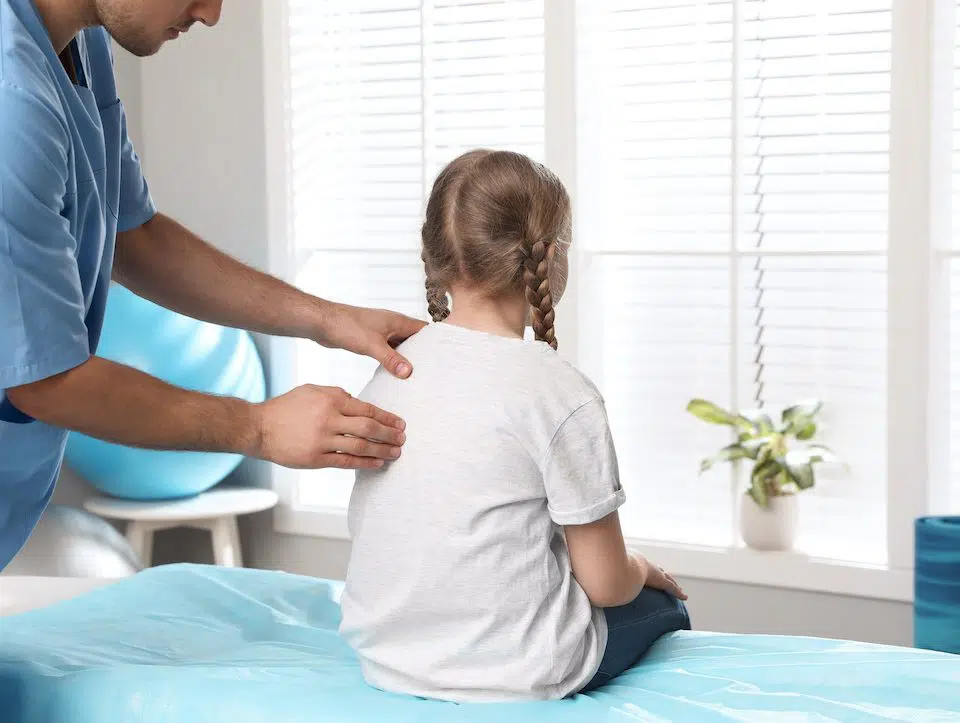
It can be scary as a parent to know that your child has been diagnosed with scoliosis. At Texas Spine and Sports Therapy Center, we want to help ease your fears and address your concerns while making sure your child gets the best treatment possible. If your child has scoliosis, read on to learn what this means and what you can do to help them.
What is Scoliosis?
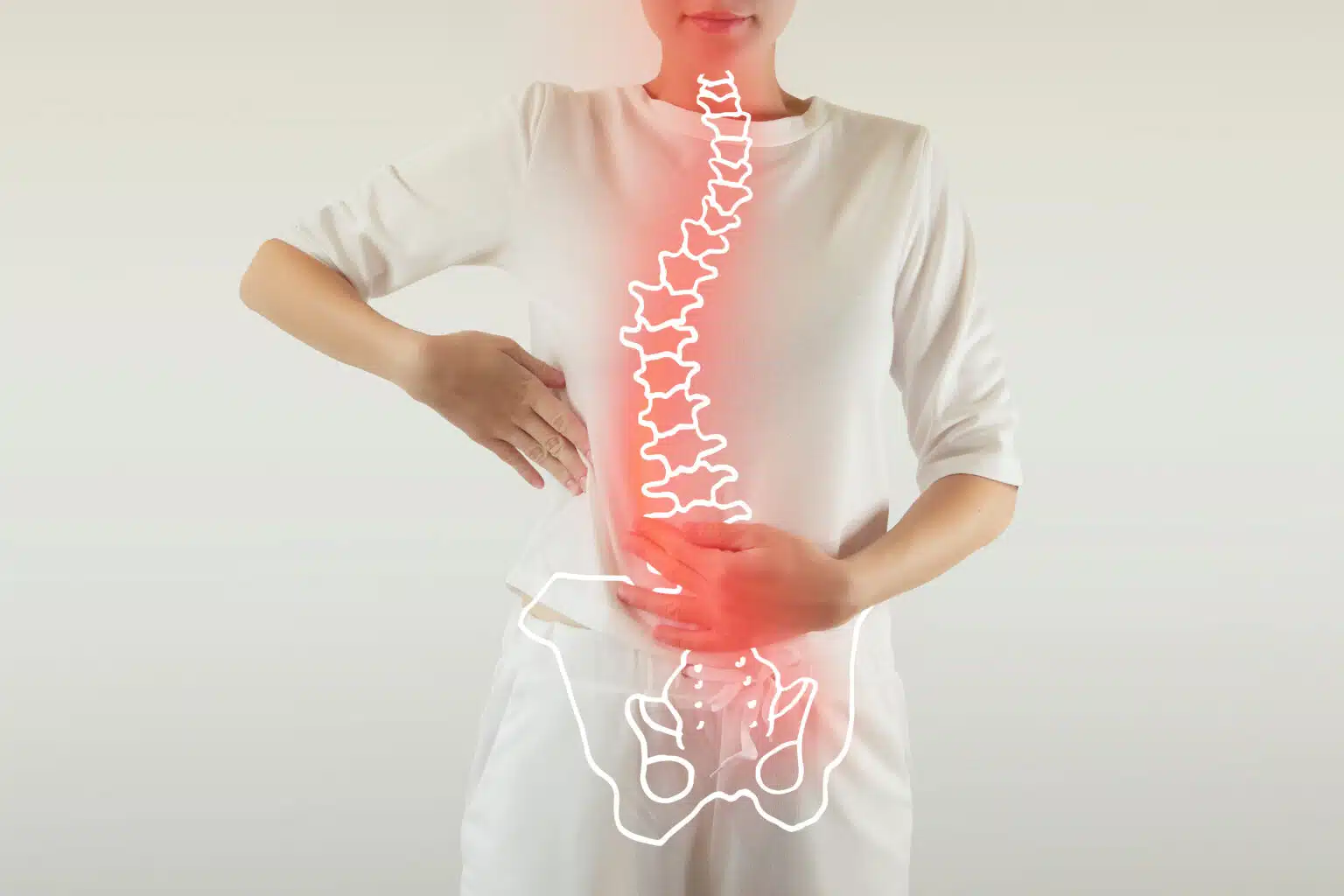
This is a condition where the spine curves to one side. According to The National Scoliosis Foundation states that around six million children and adults in the United States have this back problem and it occurs more often in girls than boys. Unfortunately, it can’t be prevented and it cannot be cured — but treatment plans are available that can help reduce the curves and even prevent it from getting worse.
Causes
While scoliosis can’t be prevented, it is commonly caused by muscle imbalances that put too much stress on the spine. If your child has this condition, it’s likely that it was caused by one of four things:
– Genetics
– Environment
– Disease/Disorder
– Previous Injury/Surgery
Who is Most at Risk?
There are a few factors that can increase the risk for developing these back curves. While it is difficult to avoid the problem since there’s no specific cause or behaviors that lead to it, some people are more at risk. If you or your child falls into the following categories, having regular check ups could help catch the problem early on:
- Female – girls are more likely than boys to develop a curve.
- Going through a growth spurt – fast growth can push the alignment off.
- Related to other patients with scoliosis – some research suggests a hereditary link.
- Going through puberty – it is relatively rare for adults to develop a serious spine curve without major injury or a tumor.
What are the Symptoms of Scoliosis?
There aren’t always symptoms for scoliosis and some people who have it may never know about it. Having these abnormal curves doesn’t always mean that you will experience back pain or other physical problems. However, it can make backs more susceptible to injury. Common symptoms can include:
- Back or shoulder pain
- Uneven hips or shoulders
- Clothes seem to fit differently
- Change in posture , such as a hunched back
- A curve in the back that gets larger or more pronounced over time
Scoliosis into Adulthood
If scoliosis isn’t treated early, it can worsen as your child gets older. According to The National Scoliosis Foundation, if this condition is allowed to progress untreated, it can lead to more serious problems with the heart and lungs. Early treatment can decrease the risk of these health complications.
Diagnosis and Treatment
After your child notices symptoms or a curve appears during a routine screening, it can be confirmed with a full spine X-ray. Once it is determined that they have this condition, treatment can then be provided. Treatment options include:
- Observation – If it is mild and your child isn’t experiencing many symptoms, it can be closely monitored without treatment.
- Bracing – If your condition is still progressing after observation or it’s more severe, a brace may be ordered to help reduce the curve and slow down its progression.
- Surgery – If the condition is severe, surgery may be recommended to reduce the curve and stop further progression.
When to Seek Treatment
Even if you have been diagnosed with idiopathic and mild forms of this back problem, it is best to have your condition monitored with annual check ups. A periodic visit to our Austin office can help you avoid the risks of surgery. We can start a noninvasive treatment plan as soon as the condition is discovered to prevent the development of life altering symptoms. Children and teens just starting to notice a curve in their spine can prevent the change from affecting their appearance if they don’t let the problem grow for years.
What You Can Do at Home
There are certain things scoliosis patients can do at home to help their pain and reduce progression risks. At home, be sure that you are:
- Adhering to a healthy lifestyle – following a nutritious diet and staying active is an excellent way to work on staying pain-free.
- Exercising – patients should exercise all major muscle groups, but scoliosis exercises specific to scoliosis can also be beneficial.
- Reducing scoliosis stress – stress can lead to increased scoliosis symptoms and pain. Try relaxation techniques like yoga or meditation to reduce your anxiety levels.
Make an Appointment with Texas Spine and Sports Therapy Center
The scoliosis experts at Texas Spine and Sports Therapy Center are ready to help your child lead a healthy, comfortable life with scoliosis and scoliosis treatment. We’re here to help you, too! We’ll walk you through scoliosis symptoms and treatments step by step to make sure your child gets the best care possible. Conveniently located in Austin, let us help you navigate this condition today.