
Dealing With A Migraine Headache
August 15, 2019Finding Relief For Neuropathy
September 5, 2019
The body contains more than 150 bursae in the body, which are fluid-filled pads that sit between muscles, bones, ligaments and tendons and act as cushions for joint movement. Whenever one bursa becomes inflamed, bursitis can develop, making joint movement painful and difficult. Joint pain can be caused by running, auto accidents, arthritis or repetitive physical motions, like swinging a baseball bat. No matter how you hurt yourself, there are many ways that you can treat your pain, such as stretching and sarapin injections. Find out what to do whenever you have bursitis and what treatments are available to you with this guide!
Symptoms of Bursitis
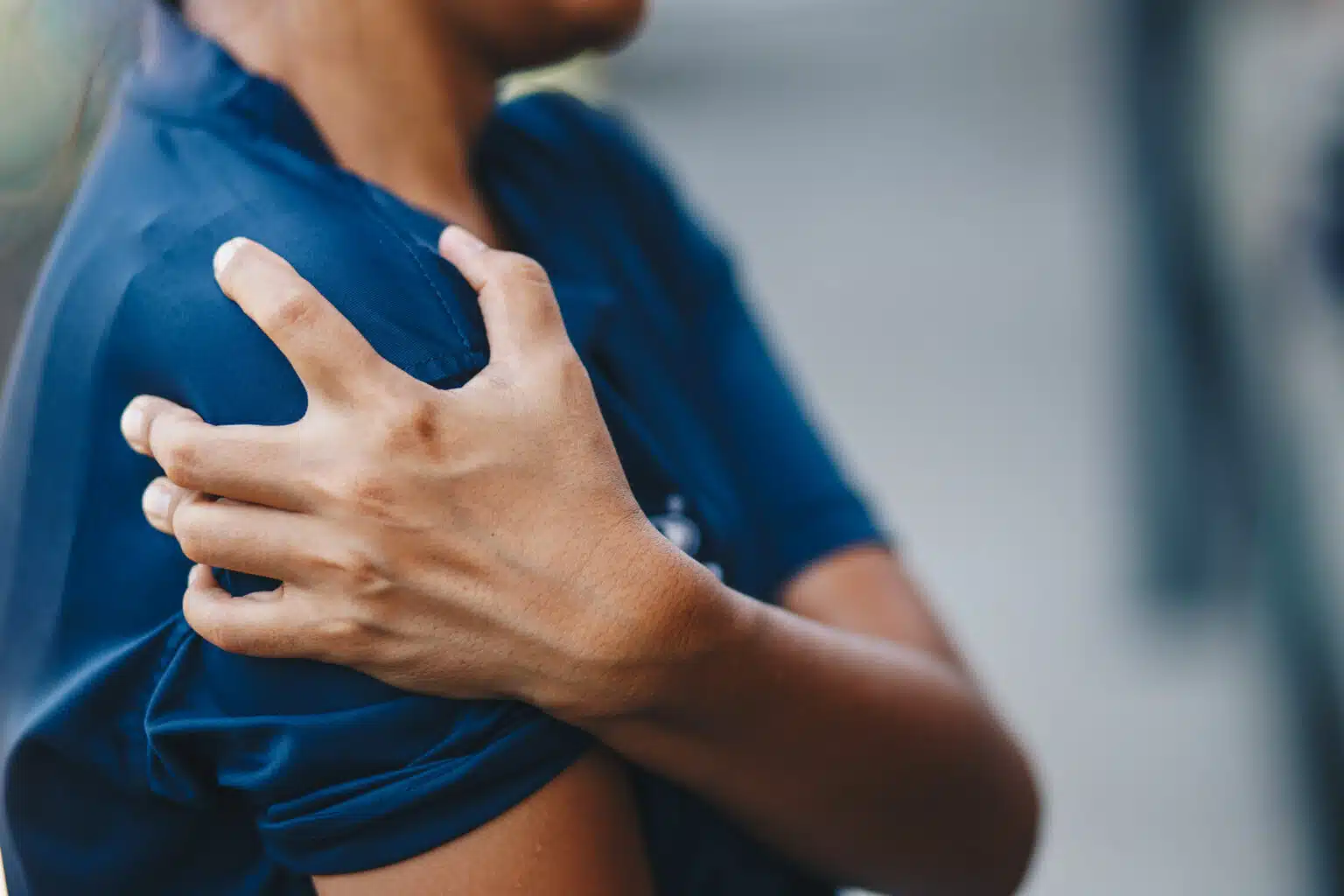
Millions of patients across the country suffer from joint pain but don’t know the cause of their issue. Sore joints are common after working out or doing any type of physical activity, but joints that don’t seem to heal could be suffering from bursitis. Bursitis is the inflammation of one or more bursa in the body. There are more than 150 bursae throughout our bodies, and any of them can become irritated from use. Bursae sit between the muscles, bones, tendons and ligaments of the body and act as liquid-filled cushions. Without bursae, it would be extremely painful whenever the joints rub together. In the case of bursitis, the bursae are inflamed and make joint movement quite painful. Most patients report bursitis in their shoulders, feet, elbows and knees, but inflammation can occur anywhere. Whenever you take up a new activity or sport, like running, the body takes on new pressure and impact. These physical changes can irritate bursae and make it difficult to continue physical activity. Some symptoms of bursitis include pain, stabbing sensation in the joint, loss of range of motion, swelling and irritation after physical activity. Your symptoms may be different than other patients depending on which bursa is inflamed and the extent of the injury.
How Does Bursitis Develop?
Bursitis is most often caused by repetitive motions, like punching or swinging a baseball bat. Activities that induce minor impact on an area of the body like gardening, kneeling, shoveling, painting or cleaning, can affect bursitis as these activities tend to overuse one area of the body. Bursitis can also be caused by sitting on hard surfaces for hours at a time, straining a muscle or ligament, putting weight on your elbows, rheumatoid arthritis, gout, incorrect posture and infection. Unfortunately, many cases of bursitis are unknown, which makes their treatment a difficult process.
Bursitis is typically caused by sports injuries or too much exercise, but it can develop from chronic conditions, as well. If left untreated, bursitis can cause loss of flexibility, infection throughout the body, debilitating pain and produce crystals within the bursa sac that cause irritation. Many times, however, bursitis can get better on its own if you ice the painful area and rest your body. Every patient is different, though, so it’s important to be evaluated by a medical professional to determine how extensive your injury is and develop an individualized treatment plan.
Treatment Options

If you begin to notice joint pain, begin by resting from physical activity and take a pain reliever, like ibuprofen or Advil. Icing the area will also help reduce inflammation and relieve pain, as well. You might need medication if your bursitis is caused by an infection or you can receive a corticosteroid injection or sarapin shot in the shoulder or hip to immediately reduce pain. Stretching can help tendons and ligaments adjacent to the inflamed bursae and keep them from tightening up. You may even need an assistive device like a cane to help you get around for a few weeks and relieve pressure on your body. Physical and massage therapy are also popular treatment options to strengthen muscles and release tight tendons. Chiropractic care is often combined with massage therapy to release built-up pressure and ease pain. In severe cases, surgery may be recommended to drain an inflamed bursa or completely remove it if it doesn’t improve. Surgery isn’t the first option when treating bursitis, but may be necessary if other methods can’t heal the bursa.
Become Pain-Free With Our Help!
At Texas Spine & Sports Therapy Center, our team specializes in healing injuries and helping patients gain their physical mobility back. If you’re suffering from bursitis, we can identify the cause and develop a specialized treatment plan that will help you recover quickly and safely. Call our office at (512) 806-0015 to schedule a consultation and eliminate your joint pain!