
How Spinal Decompression Therapy Can Eliminate Your Chronic Back Pain
January 7, 2020
Feeling Numb? Why Nerve Compression Could Be To Blame
March 9, 2020
Overtime our muscles can become overworked and tired. Sometimes it’s caused by our jobs and hobbies, or it can be exacerbated by accidents that happen. Unfortunately, we can’t help but to overwork the muscles because of our obligations sometimes, but an ART therapy session could be the treatment that helps promote your body’s healing and self correction. Learn more about this therapy by reading below.
What is Active Release Technique (ART)?
Active Release Technique, also known as ART, is an innovative tissue-focused massage technique that precisely targets muscles, nerves, tendons, and ligaments. ART hones in on relieving muscle tension by aiming to remove fibrosis that can develop is tissues after overuse. ART has been shown to be used for two things: diagnostics and treatments.
Physiopedia provides the history of ART, which was developed by patented by Dr. P Michael Leahy, a chiropractor. Dr. Leahy noticed some of his patients having soft tissue symptoms, and this technique was developed to work around the patient’s symptoms.
Explanation of Treatment
Essentially, ART works in three ways:
- Restores free motion of your body’s soft tissues
- Releases entrapped nerves, vasculature, and lymphatics
- Re-establishes optimal texture and function of soft tissues
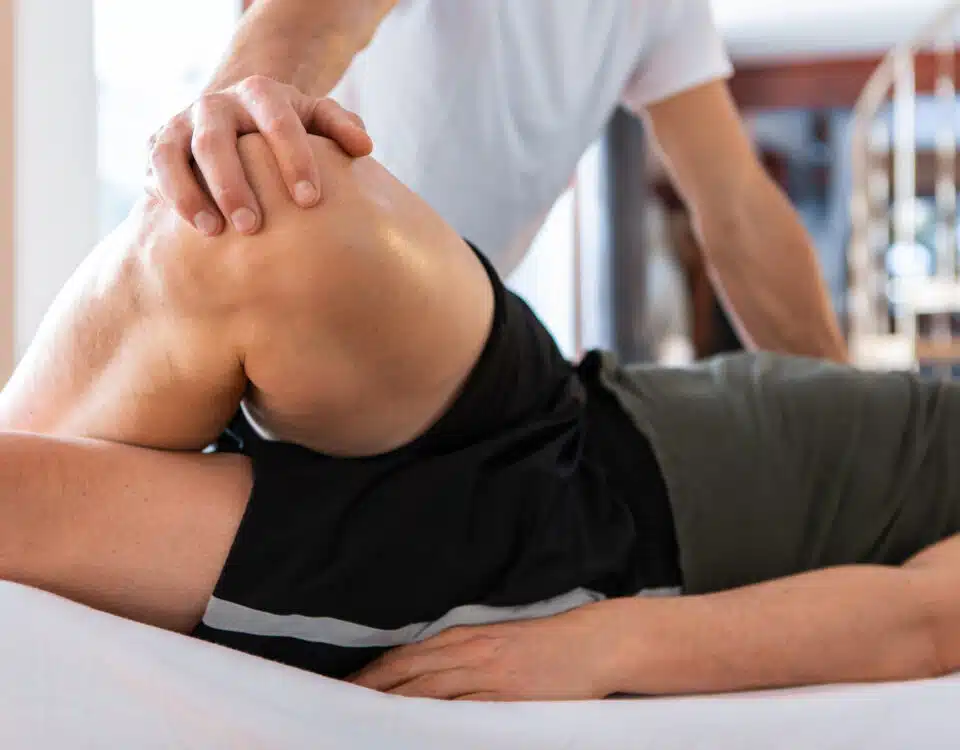
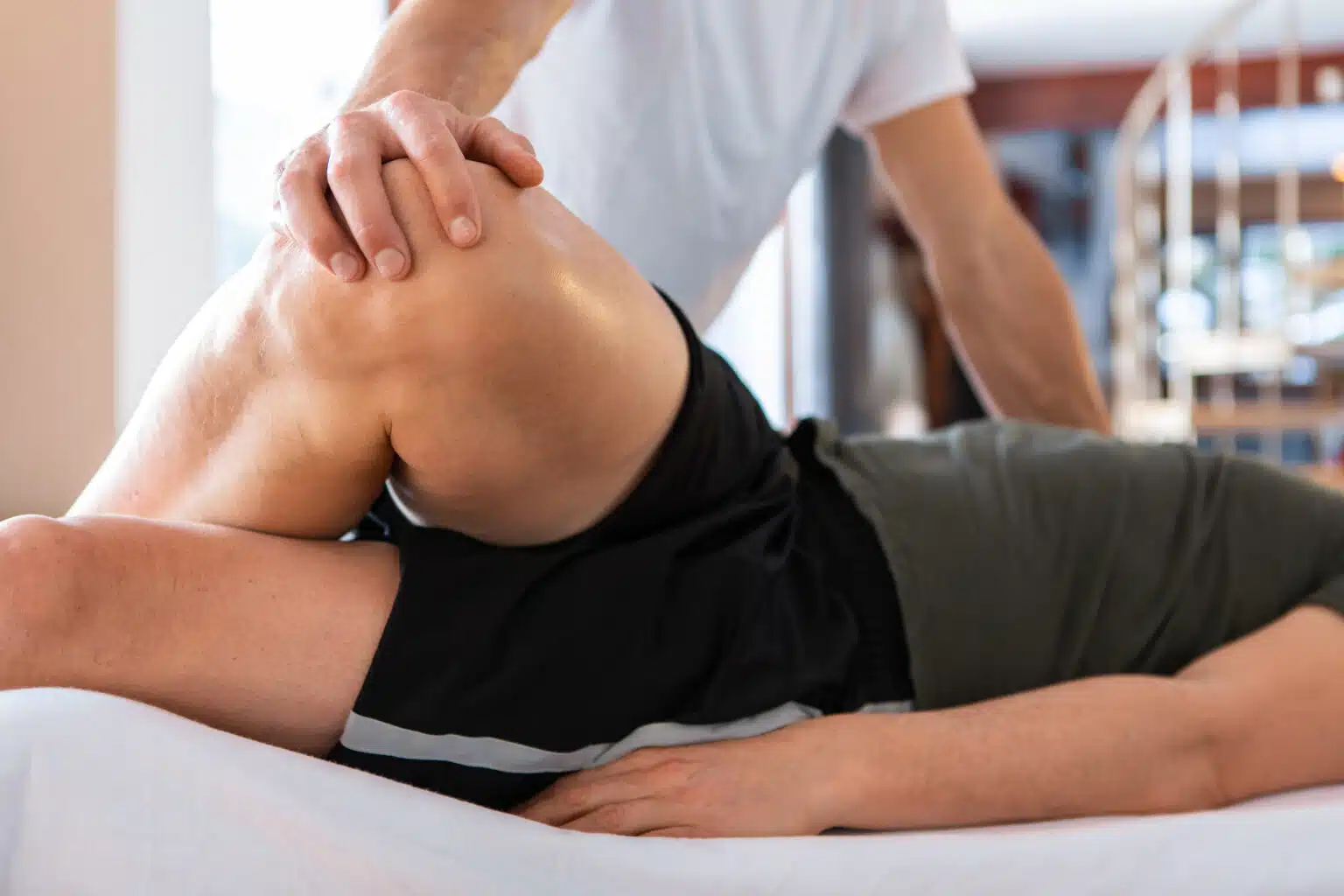
During the ART treatment, the doctor will use manual therapy to promote your body’s healing. The treatment involves a combination of examination and treatment, according to Active Release. The provider will use their hands to evaluate feeling and function of the affected muscles, fascia, tendons, ligaments, and nerves. Abnormal tissues will then be targeted with ART, using very specific movements.
What Conditions Can ART Treat?
ART can treat overworked muscles and tissues that can cause a number of different conditions and symptoms, which impacts the patient’s day-to-day life. Unfortunately, with overuse, we can further injure and micro-damage our tissues. This turns into dense scar tissue that then affects healthy tissue. This ends with muscles becoming weaker and irritated, and nerves becoming pinched. The painful conditions this can lead to include:
Chronic back, neck, shoulder, leg pain
The development of chronic pain usually comes on as a result of an injury. Damages to nerves can make pain last much longer than usual and cause chronic, long-lasting pain.
Muscle and ligament tears
A muscle tear is also pulling a muscle. This happens when the muscle suffers an injury from improper or overuse. Strains are most common in the back, neck, and hamstrings.
Damaged/pinched nerves
This is when too much pressure is on a nerve. This can cause symptoms like pain, tingling, numbness, and even weakness.
Headaches
When people have daily headaches, or more than 15 headaches a month, it’s known as a chronic headache.
Carpal tunnel syndrome
Carpal tunnel is when pressure is put on the median nerve in the wrist. This then can affect your ability to use your hands for daily jobs like typing, manual labor, and even tasks like using your phone.
Shin splints
When the muscles or tendons around the tibia become inflamed it can cause shin splints, a pain that’s felt on the inside part of your tibia.
Plantar Fasciitis
Also known as heel pain, plantar fasciitis can cause stabbing foot pain when you first wake up.
Tennis/golf elbow
Tennis elbow is when your tendons that meet the forearm muscles on the outside of the elbow become inflamed. This happens from overuse, like repeatedly golfing or playing tennis. It can cause pain throughout your entire arm.
Sciatica
Sciatica is when lower back pain is result of the sciatic nerve. It typically is on one side of the body, and you can feel the pain run from your back down the backside of your leg.
When our body’s suffer injuries, acute conditions, accumulation of small tears, and lack of oxygen impact us for the negative. Thankfully, there are options and you don’t have to be in pain.
What’s After ART?
It’s important to continue to keep the muscle healthy after finding relief from the pain. Physiopedia wants patients to keep in mind that there are four areas of exercise that need to be considered to keep the muscle healthy through physical therapy: flexibility, strength, balance, and cardiovascular. Here’s a quick rundown on why those are important:
Flexibility: this is important to encourage good range of motion. Stretching exercises are important because without them the tissues become tight and cause further problems.
Strength: this is what is most effective after ART. This will allow the muscles to become stronger and ready for further use. However, before treatment, strength exercises can cause the painful muscles to suffer from more injury.
Balance: this helps your body react to external forces. When done early in rehab, it can restore the patient’s agility, endurance, and kinesthetic realization.
Cardiovascular: working the heart and lungs helps circulation by increasing the amount of oxygen that the tissues get. Poor circulation can lead to further muscle injury.
Try ART with Texas Spine & Sports Therapy Center
If you’re suffering from chronic pain, come find relief with us through ART. To find out more about how ART can help you, call us at (512)-806-0015.