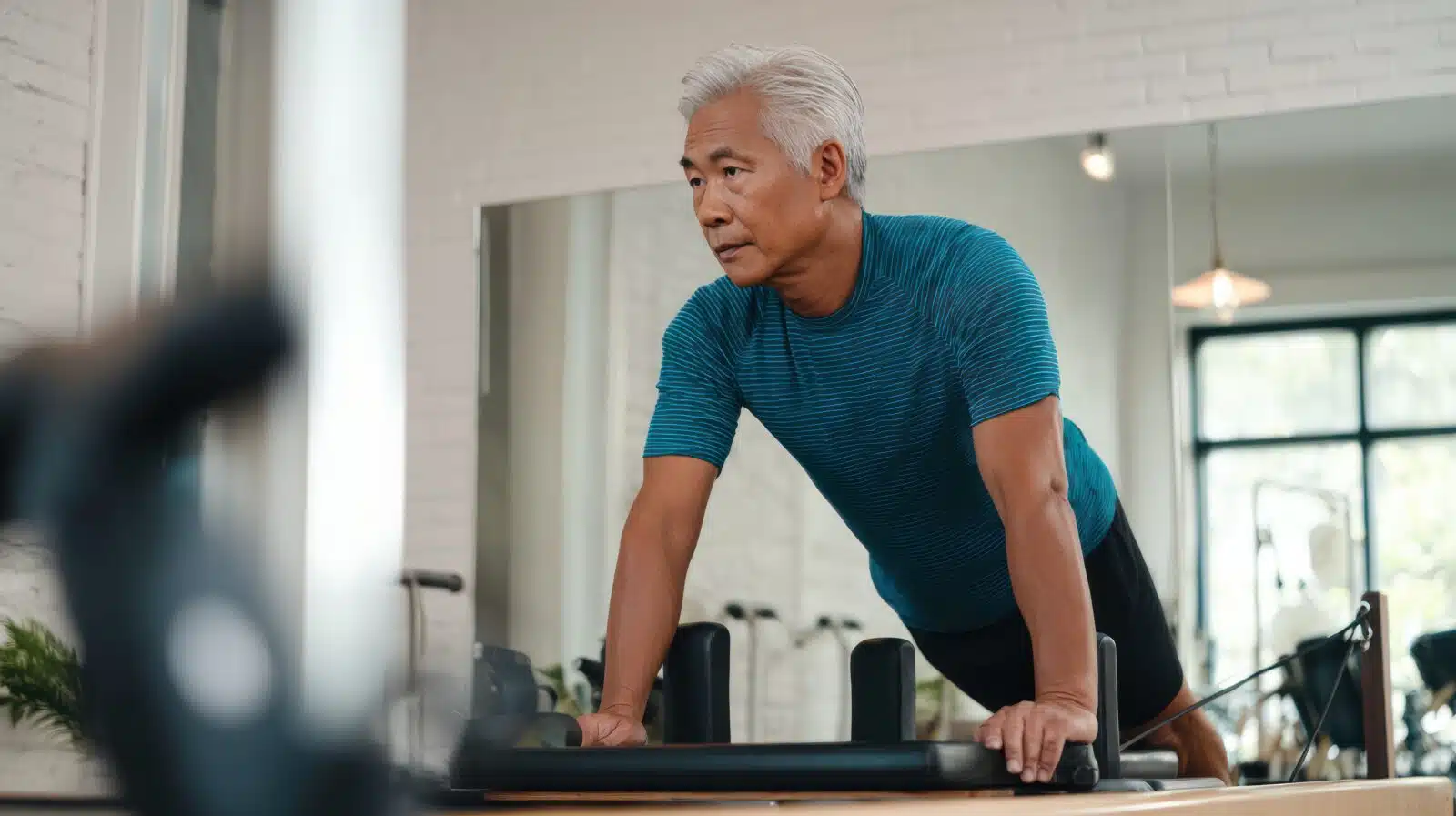


Mobility Matters: Why Staying Active Is Key to Healing
November 6, 2025
Stress, Posture, and Pain: The Holiday Trio You Can Conquer
November 20, 2025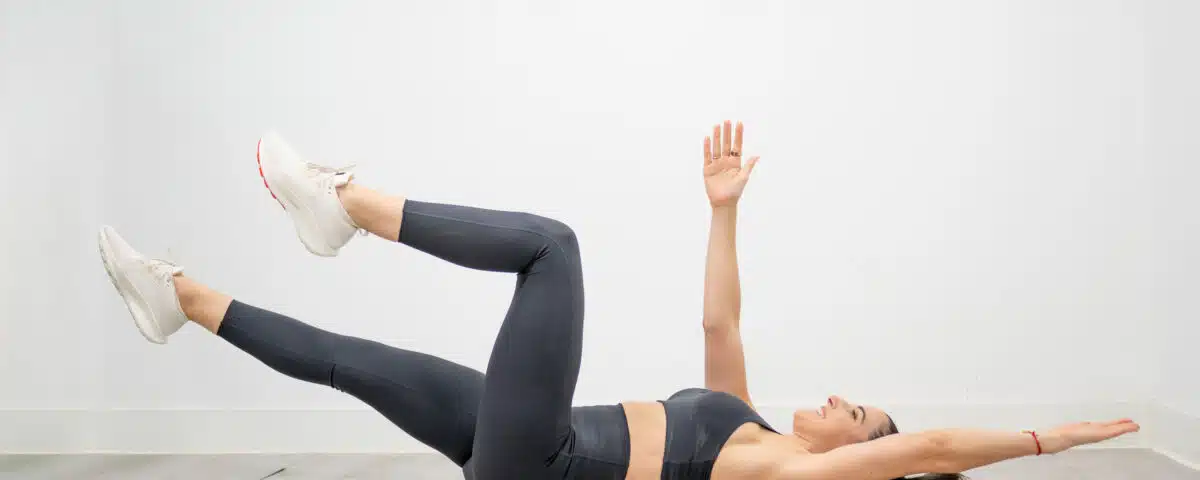
When it comes to preventing back pain and maintaining a healthy spine, most people think about stretching, chiropractic care, or posture — but there’s one key area that’s often overlooked: your core.
At Texas Spine & Sports Therapy Center in Austin, TX, we help patients understand that a strong, stable core is the foundation for spinal health. Your core does much more than give you good posture or balance — it supports your entire musculoskeletal system and protects your spine from injury and strain.
Let’s take a closer look at why strengthening your core matters, how it protects your back, and the best ways to safely build a stronger foundation.
What Is Your Core, Really?
When people think of the core, they often picture the abdominal muscles — but your core is much more than that. It’s a complex network of muscles that includes:
-
Abdominals (rectus abdominis and obliques): The front and sides of your midsection.
-
Transverse abdominis: The deep, stabilizing muscle that wraps around your spine like a corset.
-
Pelvic floor muscles: The base that supports your internal organs and spine.
-
Lower back muscles (erector spinae, multifidus): The key stabilizers along your spine.
-
Diaphragm: The primary muscle involved in breathing, which works in harmony with your core.
Together, these muscles form a supportive “cylinder” around your spine and pelvis — stabilizing every movement you make.
The Core-Spine Connection
Every time you bend, twist, lift, or even stand upright, your core muscles engage to support your spine. When these muscles are strong and balanced, they help distribute forces evenly throughout your body and reduce the strain on your back.
But when the core is weak, your spine takes on more of the load — leading to misalignment, muscle fatigue, and injury.
A weak core contributes to:
-
Poor posture and spinal misalignment
-
Lower back pain and stiffness
-
Increased risk of herniated discs
-
Decreased flexibility and balance
-
Reduced athletic performance
That’s why core strength isn’t just for athletes — it’s essential for anyone who wants to move comfortably and live pain-free.
How a Strong Core Protects Your Spine
A strong core provides both stability and support, two of the most important factors in spinal health. Here’s how:
1. Improved Posture
Your core muscles work constantly to keep your body upright. Strengthening them helps align your spine naturally, reducing the strain on your neck, shoulders, and lower back. Good posture also helps prevent long-term spinal degeneration and joint stress.
2. Reduced Back Pain
When your core is weak, your back muscles have to overwork to compensate. This imbalance leads to chronic pain, inflammation, and fatigue. Strengthening your core distributes the workload more evenly, easing tension and allowing your back to recover.
3. Better Stability and Balance
Your core acts as your body’s control center. Whether you’re walking, lifting, or twisting, these muscles stabilize your spine and pelvis. Improved stability not only enhances daily movement but also lowers your risk of falls and injuries.
4. Enhanced Flexibility and Mobility
A balanced core improves how your body moves as a unit. Strong, flexible muscles in your abdomen and lower back make it easier to move through your full range of motion without pain or restriction.
5. Injury Prevention
From athletes to office workers, everyone benefits from a stable core. It helps absorb impact, support dynamic movement, and protect the spine during physical activity or repetitive motions.
The Role of Chiropractic and Rehab in Core Health
At Texas Spine & Sports Therapy Center, we take a holistic approach to spinal care — one that combines chiropractic adjustments with rehabilitation and strengthening exercises.
Here’s how these therapies work together:
-
Chiropractic adjustments correct spinal misalignments that may cause muscle imbalance or nerve interference. Once the spine is properly aligned, your body can move more freely and effectively engage the core muscles.
-
Rehabilitation and corrective exercises retrain your core to activate properly. These tailored movements build strength, endurance, and coordination to support long-term spine stability.
-
Soft tissue therapy reduces tension and improves flexibility in the surrounding muscles, ensuring balance across your core and back.
This integrated approach allows your spine and muscles to work together harmoniously — the way they’re designed to.
Best Core Exercises for Spine Health
You don’t need to spend hours at the gym to build a strong core. The key is consistency and focusing on quality movement rather than intensity.
Here are a few safe, effective exercises that support spinal health:
-
Pelvic Tilts: Strengthen the lower abdominals and improve pelvic stability.
-
Bridges: Engage the glutes, lower back, and core for better support and balance.
-
Bird Dogs: Promote coordination and spinal stability by engaging multiple muscle groups.
-
Planks: Strengthen deep core stabilizers while improving endurance.
-
Dead Bugs: Train the core to work with the hips and lower back in a controlled motion.
Our team can design a personalized exercise plan that fits your fitness level and specific condition, ensuring safe, progressive improvement without risk of injury.
The Breathing Factor: How Your Diaphragm Strengthens Your Core
One overlooked element of core strength is proper breathing. Your diaphragm works with your abdominal and pelvic floor muscles to stabilize your spine during every movement.
Learning how to breathe correctly — especially deep, diaphragmatic breathing — enhances stability, reduces tension, and supports efficient movement. It’s one of the first techniques we teach patients in our rehabilitation programs.
Why Core Strength Is for Everyone
You don’t have to be an athlete to benefit from core strengthening. Whether you’re recovering from an injury, sitting at a desk all day, or just want to improve your mobility, a strong core supports every part of your daily life.
From getting out of bed to picking up groceries or playing with your kids, your core plays a role in every motion. The stronger and more stable it is, the easier it becomes to move confidently and pain-free.
Build a Strong Foundation for a Healthier Spine
Your spine’s health depends on more than adjustments and rest — it depends on movement, balance, and strength. Strengthening your core is one of the best investments you can make in your long-term well-being.
At Texas Spine & Sports Therapy Center, our integrated care approach combines chiropractic treatment, physical rehabilitation, and corrective exercise to help you strengthen your core and protect your spine for life.
Call today to schedule your consultation and learn how our team can help you build a stronger, more resilient foundation for your health.