

Why Athletes Should Choose Massage Therapy and Active Release Technique
November 27, 2024
How to Prevent and Treat Back Spasms Before They Happen
December 12, 2024
Sciatica is a common but often painful condition that affects millions of people every year. Characterized by pain that radiates from the lower back or buttocks down one or both legs, sciatica can make even the simplest daily activities a challenge. Whether caused by a herniated disc, spinal stenosis, or other factors, sciatica can significantly impact your quality of life. At Texas Spine & Sports Therapy Center, we understand the frustration that comes with sciatica, and we are here to offer effective treatments that address both the symptoms and the underlying causes of this condition. In this blog, we’ll explore the causes of sciatica and the range of treatments available at our clinic to help you find relief and restore your mobility.
What is Sciatica?
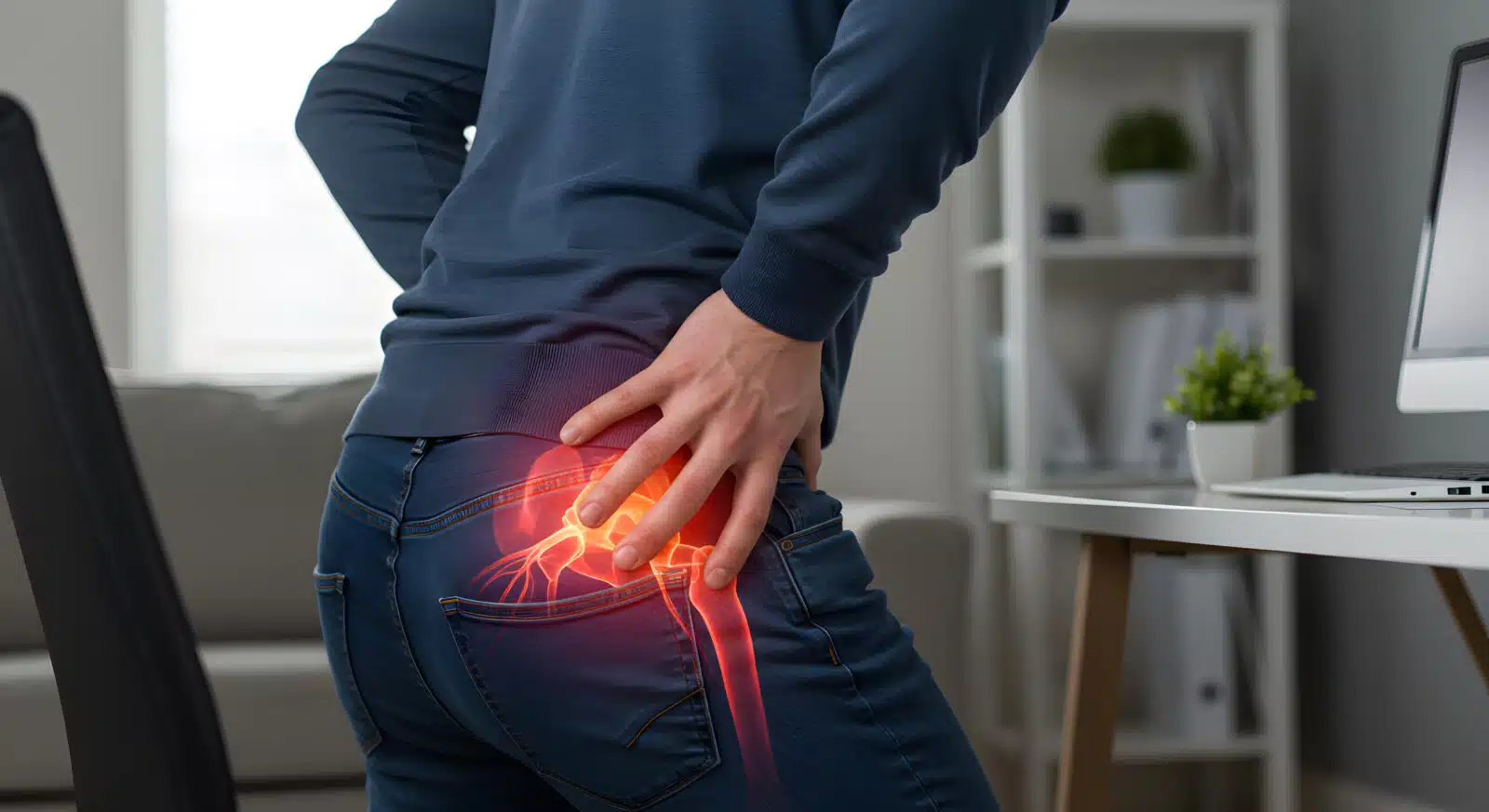
Sciatica refers to pain that is caused by irritation or compression of the sciatic nerve, which is the longest nerve in the body. It runs from your lower back, through your hips and buttocks, and down each leg. The pain can range from mild to severe and can feel like a sharp, shooting pain or a dull ache. In some cases, sciatica can also cause numbness, tingling, and muscle weakness along the affected leg.
Some of the most common causes of sciatica include:
- Herniated Disc: A bulging or ruptured disc in the spine can press on the sciatic nerve.
- Spinal Stenosis: Narrowing of the spinal canal can put pressure on the nerve roots.
- Degenerative Disc Disease: The breakdown of spinal discs over time can cause nerve compression.
- Piriformis Syndrome: The piriformis muscle in the buttocks can sometimes irritate the sciatic nerve.
- Spondylolisthesis: A vertebra slipping out of place can pinch the nerve.
Regardless of the cause, sciatica can be extremely painful and often requires medical attention to manage the symptoms and prevent the condition from worsening.
Effective Treatments for Sciatica at Texas Spine & Sports Therapy Center
At Texas Spine & Sports Therapy Center, we offer a range of evidence-based treatments that target the root cause of your sciatica, rather than just masking the symptoms. Our goal is to help you find lasting relief and restore your quality of life.
1. Physical Therapy
Physical therapy is one of the most effective treatments for sciatica. Through targeted exercises and stretches, physical therapy can help relieve pressure on the sciatic nerve, strengthen the muscles supporting the spine, and improve flexibility and posture. At Texas Spine & Sports Therapy Center, our experienced physical therapists will develop a personalized treatment plan tailored to your unique condition and needs.
Some common physical therapy techniques for sciatica include:
- Core strengthening exercises: Strengthening the muscles of the lower back, abdomen, and pelvis helps support the spine and reduce pressure on the sciatic nerve.
- Stretching exercises: Stretching the lower back, hamstrings, and piriformis muscles can relieve tension that may be contributing to sciatica.
- Postural training: Correcting posture helps prevent future flare-ups and reduces strain on the spine.
- Manual therapy: Hands-on techniques like spinal manipulation and massage can help reduce pain and improve mobility.
2. Chiropractic Care
Chiropractic adjustments can be an effective way to relieve the pain and discomfort caused by sciatica. Chiropractors use manual manipulation to realign the spine and correct any misalignments that may be putting pressure on the sciatic nerve. Regular chiropractic treatments can help alleviate pain, reduce inflammation, and restore mobility.
At Texas Spine & Sports Therapy Center, our skilled chiropractors work to correct spinal subluxations (misalignments) that may be contributing to your sciatica. In addition to spinal adjustments, our chiropractors may also incorporate soft tissue therapy, electrical stimulation, and other modalities to further relieve pain and promote healing.
3. Massage Therapy
Massage therapy is another powerful treatment for sciatica that can help reduce muscle tension, improve blood flow, and relieve pain. Therapeutic massage can target the muscles in the lower back, hips, and legs, helping to reduce inflammation and ease pressure on the sciatic nerve. This can provide immediate relief from pain and discomfort, and when combined with other treatments, it can promote long-term healing.
Some of the most effective massage techniques for sciatica include:
- Deep tissue massage: Targets deep muscle layers to release tension and knots.
- Trigger point therapy: Focuses on specific muscle “knots” that can contribute to sciatic pain.
- Myofascial release: A technique that focuses on stretching the connective tissue (fascia) to release tightness and improve movement.
Massage therapy is often used as part of a comprehensive treatment plan to provide both short-term relief and long-term benefits.
4. Dry Needling
Dry needling is a technique that uses thin, sterile needles to target muscle knots and trigger points. It is often used to treat chronic pain and muscle tightness associated with sciatica. The needles stimulate the muscles and fascia, helping to release tightness, reduce inflammation, and promote healing.
Dry needling can be particularly effective for sciatica caused by tight muscles, such as the piriformis or hamstrings, that may be compressing or irritating the sciatic nerve. It’s a minimally invasive procedure that offers quick results and can be used in conjunction with other treatments like physical therapy and chiropractic care.
5. Spinal Decompression Therapy
Spinal decompression therapy is a non-surgical treatment designed to relieve pressure on the spine and sciatic nerve. It involves using a specialized machine to gently stretch the spine, creating space between the vertebrae and relieving pressure on bulging or herniated discs. This can help reduce pain and inflammation caused by nerve compression.
Spinal decompression is a great option for patients with herniated discs or degenerative disc disease who may be experiencing sciatica. The treatment is gentle, non-invasive, and can be customized to your needs.
6. Steroid Injections and Medication
In more severe cases of sciatica, when other treatments aren’t providing sufficient relief, your doctor may recommend corticosteroid injections or oral medications. Steroid injections can help reduce inflammation around the sciatic nerve, providing temporary relief from pain and allowing other therapies, such as physical therapy, to be more effective.
While medications like anti-inflammatory drugs (NSAIDs) or muscle relaxants may manage pain in the short term, they are typically not a long-term solution for sciatica. Injections can be particularly useful for patients with significant pain or inflammation.
7. Lifestyle Changes and Ergonomics
In addition to therapeutic treatments, lifestyle modifications can also help reduce the risk of sciatica flare-ups. At Texas Spine & Sports Therapy Center, we take a holistic approach to sciatica care, advising patients on proper posture, ergonomics, and safe movement patterns.
Some recommendations might include:
- Improving posture: Proper posture while sitting, standing, and sleeping can reduce strain on the spine and lower back.
- Weight management: Maintaining a healthy weight helps reduce stress on the lower back and spine.
- Exercise: Regular low-impact exercise, like walking or swimming, helps strengthen the back muscles and improve flexibility.
Why Choose Texas Spine & Sports Therapy Center?
At Texas Spine & Sports Therapy Center, we are dedicated to providing personalized, comprehensive care for individuals suffering from sciatica. Our team of experienced healthcare professionals uses a combination of therapies and advanced techniques to address the root cause of your pain and improve your quality of life. Whether you’re dealing with mild discomfort or chronic sciatica, we have the tools and expertise to help you find relief.
If you are experiencing sciatica or any other musculoskeletal pain, don’t wait for the condition to worsen. Contact us today to schedule an appointment and discover how our effective treatments can help you get back to living a pain-free life.