

How to Fight Muscle Spasms
May 10, 2024
Could Your Neck & Back Be Causing Your Headaches?
May 23, 2024
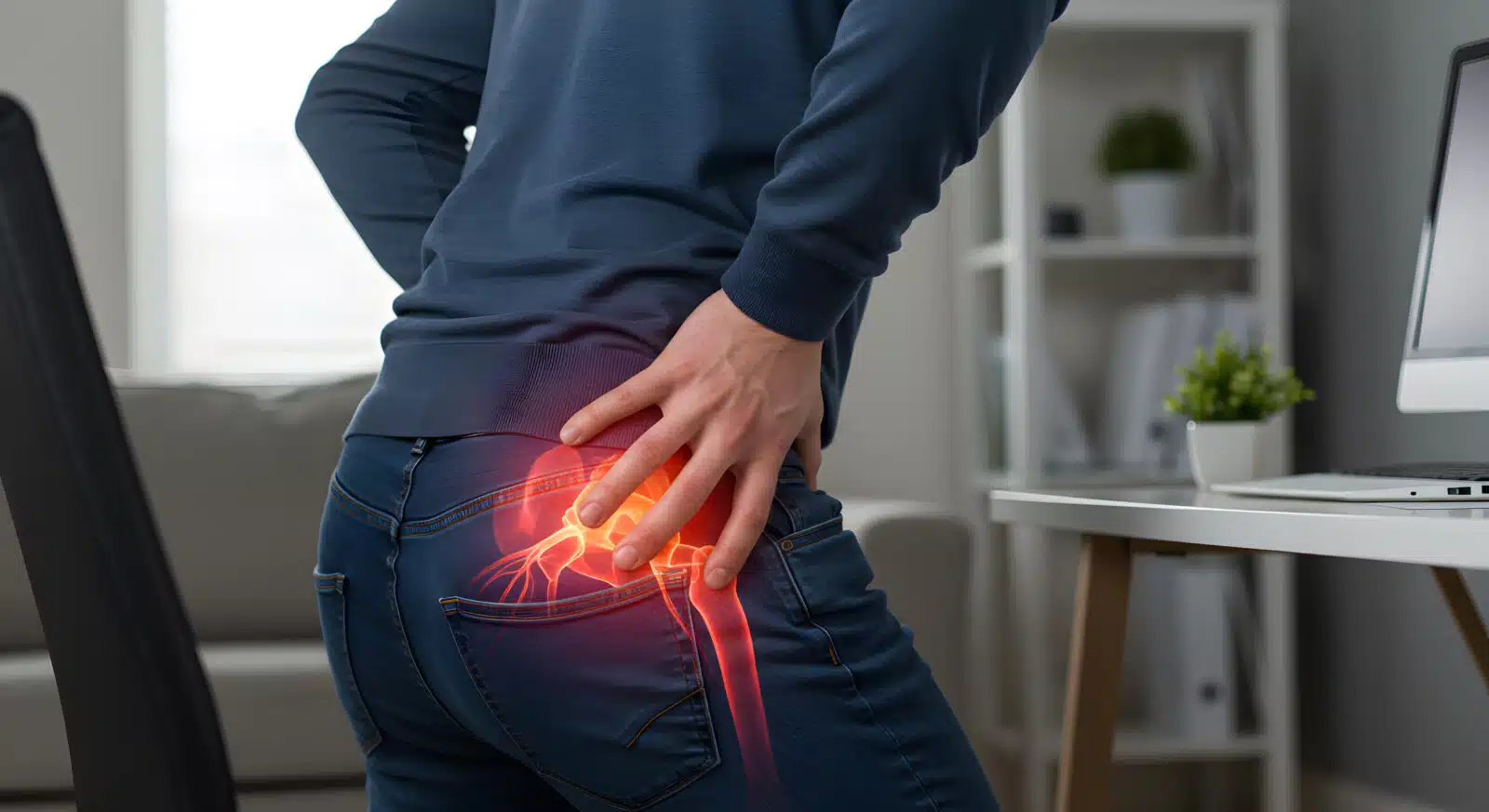
Sciatica is a condition that affects millions of people worldwide, causing pain, discomfort, and a significant decrease in quality of life. Characterized by pain radiating along the sciatic nerve, which runs down one or both legs from the lower back, sciatica can result from various underlying issues such as herniated discs, spinal stenosis, or muscle imbalances. At Texas Spine & Sports Therapy Center, we understand how debilitating this condition can be. That’s why we’ve compiled a list of five effective tips to help you fight sciatica and reclaim your life.
What is Sciatica?
Before we dive into the tips, let’s first understand what sciatica is and how it develops. Sciatica is not a medical condition in itself; instead, it is a set of symptoms caused by compression or irritation of the sciatic nerve. The sciatic nerve is the longest and thickest nerve in the body, running from the lower back through the hips and down to the feet. When this nerve is compressed or irritated, it can cause pain, tingling, and numbness along its pathway.
5 Tips to Fight Sciatica
1. Stay Active with Low-Impact Exercises
One of the most common misconceptions about sciatica is that you should rest as much as possible. While it’s important to avoid activities that exacerbate the pain, staying active through low-impact exercises can be incredibly beneficial. Activities such as walking, swimming, and gentle yoga can help improve circulation, reduce inflammation, and strengthen the muscles supporting your spine.
Recommended Exercises:
- Walking: Aim for 30 minutes of brisk walking daily. This helps to keep your muscles engaged without putting too much strain on your back.
- Swimming: The buoyancy of water reduces the stress on your spine and joints, making it an excellent option for those suffering from sciatica.
- Gentle Yoga: Poses like the Child’s Pose, Cat-Cow Stretch, and Pigeon Pose can help alleviate sciatic pain by stretching and strengthening the affected areas.
2. Incorporate Stretching into Your Daily Routine
Stretching plays a crucial role in relieving sciatic pain by increasing flexibility, reducing muscle tension, and improving overall mobility. Focus on stretches that target your lower back, hips, and hamstrings, as these are the areas most commonly affected by sciatica.
Effective Stretches:
- Knee-to-Chest Stretch: Lie on your back with your knees bent and feet flat on the floor. Bring one knee to your chest, holding it with both hands for 20-30 seconds. Repeat with the other leg.
- Piriformis Stretch: Sit on the floor with your legs extended. Cross one leg over the other, placing your foot flat on the floor. Twist your torso towards the bent knee, using your opposite arm to deepen the stretch. Hold for 20-30 seconds and switch sides.
- Hamstring Stretch: Stand with one foot elevated on a low surface (like a step or a chair). Keep your leg straight and lean forward gently, feeling the stretch in the back of your thigh. Hold for 20-30 seconds and switch legs.
3. Apply Heat and Cold Therapy
Heat and cold therapy can be highly effective in managing sciatic pain. Applying a cold pack to the affected area can help reduce inflammation and numb the pain, while heat therapy can relax tight muscles and improve blood flow.
How to Use:
- Cold Therapy: Apply an ice pack wrapped in a towel to the painful area for 15-20 minutes, several times a day, especially during the first 48 hours of experiencing pain.
- Heat Therapy: After the initial inflammation has subsided, use a heating pad or warm towel on the affected area for 15-20 minutes. Repeat several times a day as needed.
4. Practice Good Posture
Poor posture can exacerbate sciatic pain by putting additional strain on your lower back and sciatic nerve. By maintaining proper posture, you can alleviate pressure on your spine and reduce the likelihood of aggravating your symptoms.
Tips for Better Posture:
- Sitting: Choose a chair with good lumbar support. Keep your feet flat on the floor and avoid crossing your legs. Ensure your knees are at a 90-degree angle.
- Standing: Stand with your weight evenly distributed on both feet. Avoid slouching or leaning to one side.
- Sleeping: Use a medium-firm mattress that supports your spine. Try sleeping on your side with a pillow between your knees to keep your spine aligned.
5. Seek Professional Help
While self-care measures can be highly effective, it’s crucial to seek professional help if your sciatic pain persists or worsens. At Texas Spine & Sports Therapy Center, we offer comprehensive treatment plans tailored to your specific needs. Our team of experienced professionals can help diagnose the underlying cause of your sciatica and provide targeted therapies to alleviate your pain and improve your quality of life.
Available Treatments:
- Chiropractic Care: Realigning the spine can relieve pressure on the sciatic nerve, reducing pain and inflammation.
- Physical Therapy: A customized exercise program can strengthen the muscles supporting your spine and improve your flexibility.
- Spinal Decompression: This non-surgical treatment gently stretches the spine, relieving pressure on the affected discs and nerves.
Make an Appointment with Texas Spine & Sports Therapy Center
Sciatica can be a challenging condition to manage, but with the right strategies, you can significantly reduce your pain and improve your quality of life. By staying active, incorporating stretching, using heat and cold therapy, practicing good posture, and seeking professional help, you can fight sciatica effectively. At Texas Spine & Sports Therapy Center, we’re committed to helping you achieve lasting relief. If you’re struggling with sciatica, don’t hesitate to reach out to our team. Contact us today to schedule a consultation and take the first step towards a pain-free life.