

How Scoliosis Affects You
February 9, 2024
What to Know About Spinal Compression Fractures
February 22, 2024
Sciatica, a common nerve condition that originates in the lower back and can extend to the feet, has a significant impact on movement and quality of life. For many, the simple act of walking becomes a painful journey fraught with challenges and discomfort. But there’s hope on the horizon for those struggling with sciatica – a beacon that comes in the form of chiropractic care.
In this comprehensive guide, we’ll explore how sciatica can affect your mobility, practical tips to manage this condition, and the pivotal role chiropractic treatments play in restoring your ability to perform daily activities pain-free.
The Sciatic Saga: Understanding Your Nerve Pain
To embark on the path towards improved mobility, it’s vital to comprehend the condition that’s holding you back. Sciatica is not a diagnosis per se, but a set of symptoms that manifest when the sciatic nerve is compressed or irritated. This can occur due to various underlying issues, such as a herniated disc, spinal stenosis, or even muscular imbalances.
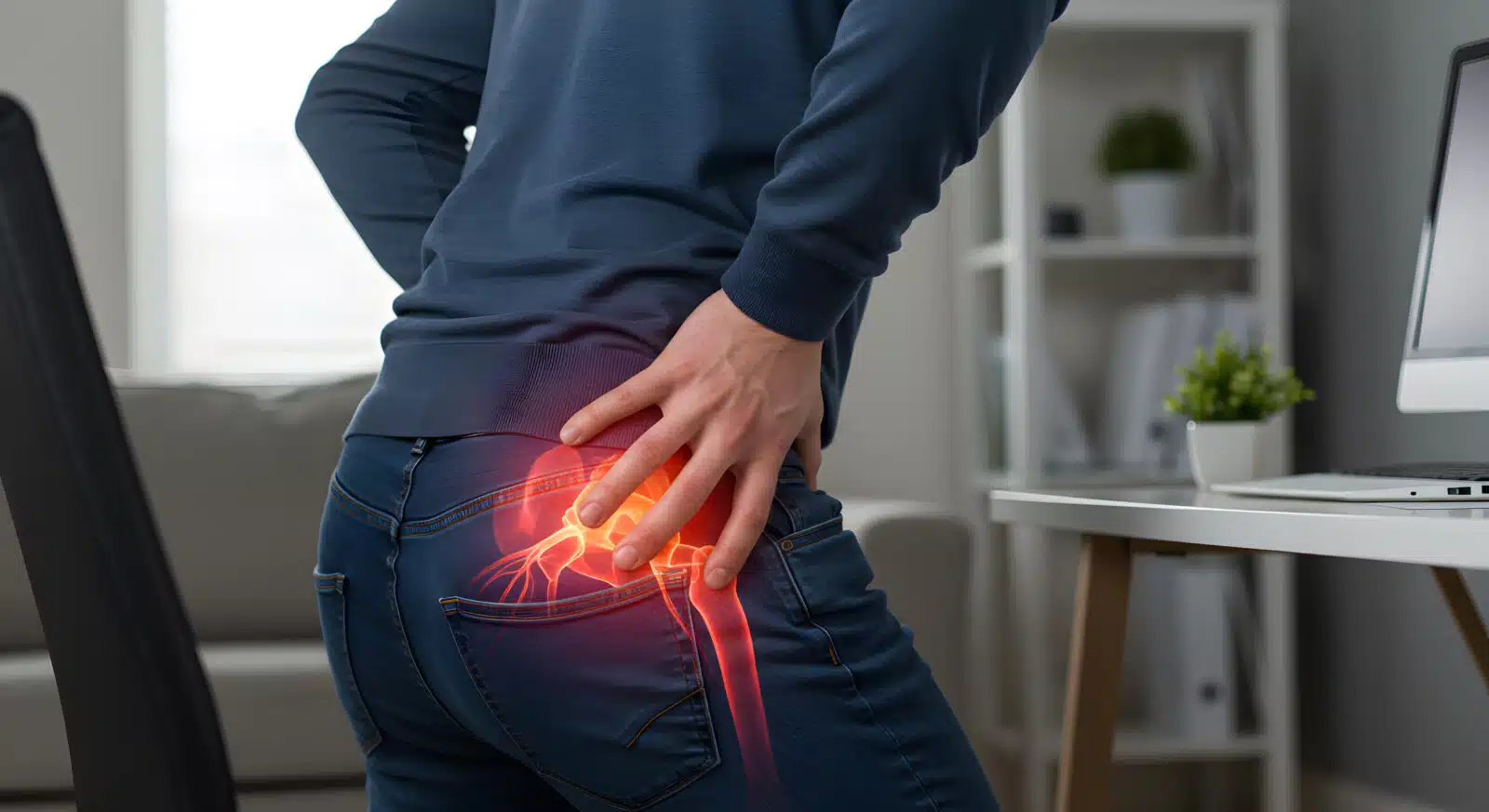
The sciatic nerve is the longest in the human body, running from the lumbar spine through the buttocks and down each leg, branching out into smaller nerves along the way. When something pinches or puts pressure on this nerve, it can lead to a distinctive type of pain that radiates along its path, often described as shooting, burning, or like an electric shock.
What Triggers Sciatica Symptoms?
Sciatica can be set off or aggravated by several factors:
- Prolonged sitting
- Lifting heavy objects incorrectly
- Conditions like diabetes that increase the risk of nerve damage
- Obesity, which can put undue strain on the lower back and spine
- Age-related degeneration of the spine
Sciatica and the Stride: Deciphering Walking Woes
Walking is a fundamental part of our daily routine, but with sciatica, it can become an excruciating chore. Those who experience sciatica-related pain often describe difficulty in bearing weight, numbness or weakness in the affected leg, and stabbing pains that seem to intensify with each stride.
This discomfort is more than just physical; it can lead to a cycle of inactivity and deconditioning, exacerbating the pain and disrupting the natural ‘flow’ of our body mechanics.
The Gait of Sciatica
Sciatica can alter your gait – the way you walk – as your body instinctively tries to minimize the pain by adjusting its movements. This often results in a limp or a shuffle to the affected leg. These compensatory movements, while temporarily relieving, can lead to secondary issues such as muscle imbalances and joint misalignment.
Managing Sciatic Pain: Tips for Walking and Beyond
Despite the challenges, staying active is crucial for managing sciatica symptoms. Here are some strategies to help you take control:
Walking and Posture
Maintain good posture while walking, with a straight back and shoulders pulled back. Start with shorter distances and gradually increase your walking time as tolerated. If the pain is severe, using a cane or walker can help shift some of the weight off the affected side.
Exercise and Movement
Engage in low-impact activities such as swimming or walking in a pool. Avoid activities that exacerbate the pain, like running or high-impact sports. Core-strengthening exercises can also help support the spine and alleviate pressure on the sciatic nerve.
Ergonomics and Support
Make your environment sciatica-friendly. Use chairs with good lumbar support, avoid sitting on soft couches or chairs that can cause your spine to round, and consider a standing desk to alternate positions throughout the day.
Hot and Cold Therapy
Alternating between hot and cold packs can provide relief. Apply a heating pad to the affected area for 15-20 minutes, then switch to an ice pack for the same duration. This can help reduce inflammation and calm muscle spasms.
Chiropractic Care: A Beacon of Relief for Sciatica Sufferers
Chiropractic care is a non-invasive treatment that focuses on the diagnosis and treatment of musculoskeletal disorders. For those with sciatica, chiropractors offer a specialized approach that can significantly improve mobility and alleviate pain.
What Can a Chiropractor Do for Sciatica?
Through a series of adjustments, a chiropractor can realign the spine, reducing pressure on the sciatic nerve. They may also incorporate other techniques such as massage therapy, electrical muscle stimulation, and exercises to improve flexibility and posture.
The Roadmap to Relief
Chiropractic treatment for sciatica typically follows these key steps:
- Assessment: A thorough examination to identify the root cause of the sciatic pain and any associated issues.
- Treatment Plan: A custom treatment plan that may include spinal adjustments, exercises, and lifestyle adjustments.
- Patient Education: Informing the patient about their condition, how to manage it, and ways to prevent future flare-ups.
- Ongoing Maintenance: Continuous monitoring and occasional adjustments to ensure the spine stays aligned and the symptoms remain under control.
Why Chiropractic Care is Tailor-Made for Sciatica
Chiropractors take a holistic approach to sciatica by addressing the underlying biomechanical problems that lead to nerve compression. This can lead to significant improvements in pain, as well as enhanced range of motion and overall function.
The Benefits of Chiropractic Treatment
- Pain reduction without the need for medication
- Improvement in mobility and range of motion
- Minimization of the risk of chronic sciatica
- Enhanced body mechanics and posture awareness
What to Expect During a Chiropractic Session
During your first visit, the chiropractor will conduct a comprehensive review of your medical history and perform a physical examination. This may include tests to evaluate your reflexes and the strength of your muscles. They will then create a personalized treatment plan that suits your individual needs.
The typical chiropractic treatment consists of:
- Spinal adjustments to realign the spine and reduce nerve irritability
- Muscle work and soft-tissue therapies to relax the surrounding muscles and tissues
- Home exercises and stretches to complement the in-office treatment
A Personalized Approach: Chiropractic Techniques for Sciatica
Chiropractors are skilled in a wide variety of techniques to address sciatica. Some of the most effective include:
- Flexion-distraction technique, using a special table to gently ‘distract’ the spine and alleviate disc pressure
- Instrument-assisted manipulation, employing a hand-held instrument to apply force without thrusting into the spine
- Specific spinal manipulation, a gentle, localized thrust to restore normal motion and alignment to the vertebral joints
Reclaiming Your Stride: Success Stories from Chiropractic Patients
The journey from debilitating sciatic pain to comfortable walking is one that many have successfully taken with the support of chiropractic care. Patients often report a significant reduction in pain and a return to normal physical activities after beginning chiropractic treatment.
FAQs: Everything You Wanted to Know About Chiropractic Care for Sciatica
Is chiropractic treatment safe for sciatica?
Yes, chiropractic treatment is considered safe for most people with sciatica. Chiropractors are highly trained professionals who can adapt their techniques to suit the needs of each patient, ensuring a safe and effective treatment plan.
How many chiropractic sessions are needed for sciatica?
The number of sessions required will vary depending on the severity of your sciatica and your body’s response to treatment. While some people experience immediate relief, others may need several sessions to achieve their desired results.
Are there any self-care practices that I should follow after a chiropractic session?
Yes, after a chiropractic session, it’s important to follow the recommendations of your chiropractor. This may include practicing good posture, performing prescribed exercises, and taking any precautions recommended to prevent re-injury.
Make an Appointment with Texas Spine and Sports Therapy Center
If you’re tired of living with sciatica pain, consider seeking chiropractic care at Texas Spine and Sports Therapy Center. Our team of experienced professionals will work with you to create a customized treatment plan that addresses your unique needs and helps you reclaim your life from sciatic nerve pain. Don’t let sciatica hold you back any longer – make an appointment today!