
The Difference Between A Pinched Nerve & A Degenerative Disc
February 2, 2024
Can Sciatica Affect Walking?
February 16, 2024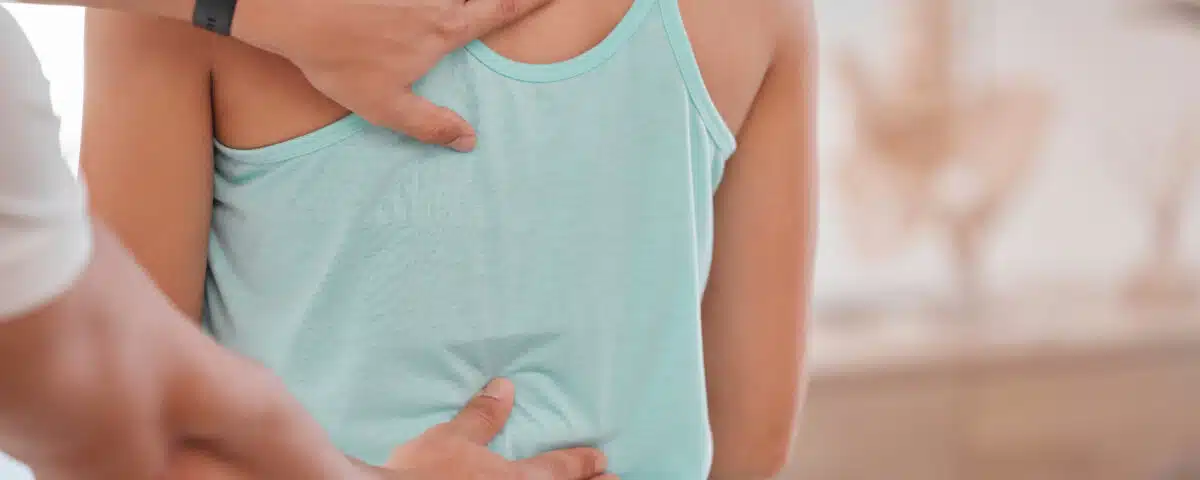
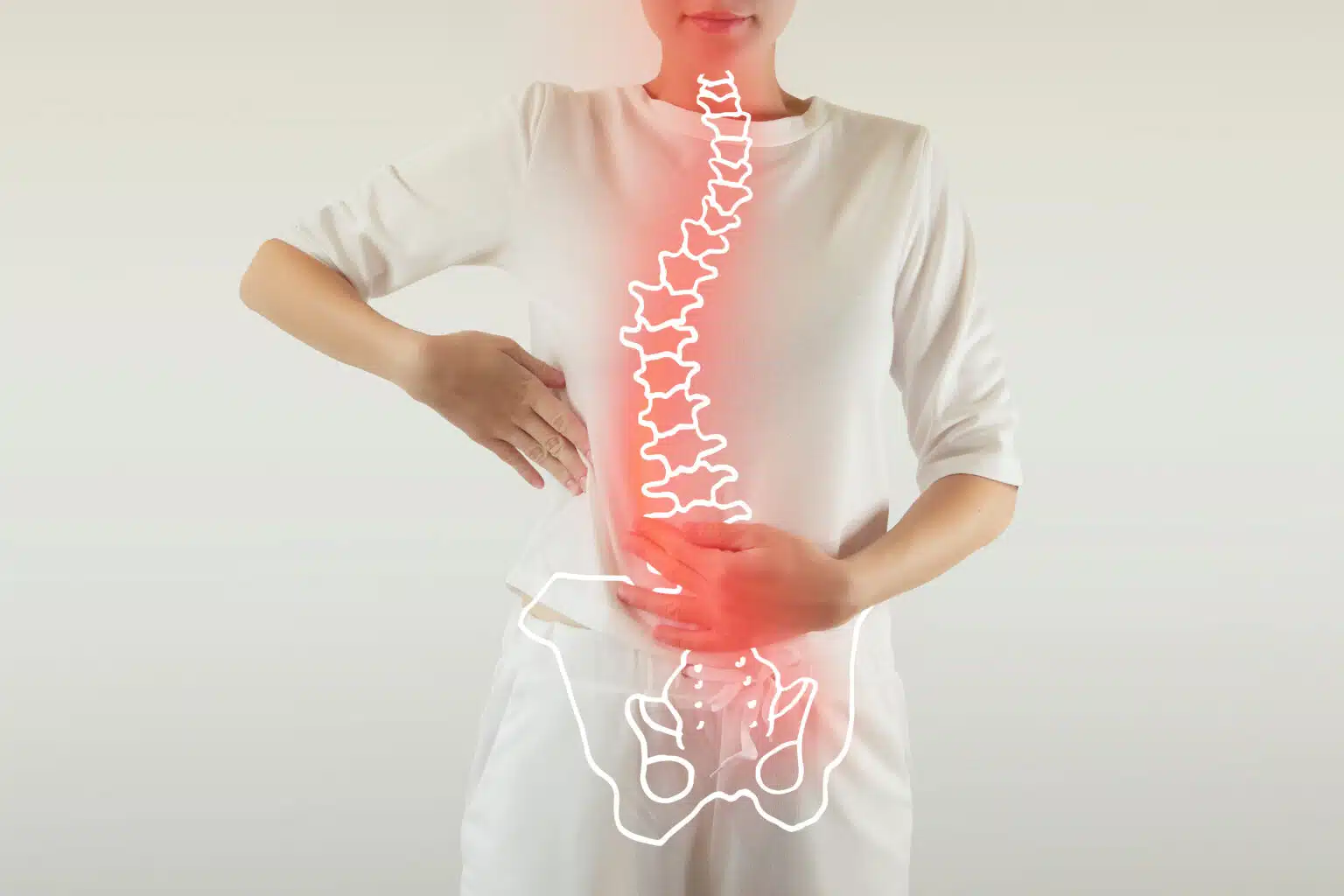
Scoliosis, a medical condition where a person’s spine has a sideways curve, can have significant impacts on various aspects of health and lifestyle. Here, we break down the ways this condition can influence your well-being, the importance of early detection and treatment options, and how individuals living with scoliosis can maintain a high quality of life.
Understanding Scoliosis
Scoliosis, a condition characterized by an abnormal curvature of the spine, is frequently diagnosed during adolescence but can impact individuals of all ages. This condition, although its severity may vary, can potentially give rise to complications if not carefully monitored. It is important to be aware that even mild forms of scoliosis can have long-term implications on an individual’s health and well-being, underscoring the significance of regular check-ups and diligent observation.
Physical Health Impacts
Spinal Deformity and Pain
The most direct impact of scoliosis is on the spine itself. The degree of curvature can cause a visible deformity, and unfortunately, for some, this can result in back pain and discomfort.
Respiratory and Cardiac Issues
Severe scoliosis may affect lung function, causing difficulty with breathing or reduced oxygen intake. In extreme cases, the rib cage may press against the lungs and heart, potentially causing respiratory and cardiac issues.
Mobility and Posture
A curved spine may lead to difficulties with balance, walking, and maintaining proper posture. Over time, this can result in reduced mobility or an uneven gait.
Mental and Emotional Well-Being
Living with scoliosis, especially when it causes visible physical changes or pain, can also take a toll on mental and emotional health. Adolescents, who are often particularly conscious of their appearance and physical capabilities, may experience low self-esteem or social withdrawal.
Lifestyle Considerations
Daily Activities
Regular activities, such as carrying a backpack, sitting for long periods during school or work, or engaging in sports, can become challenging and may need to be modified to accommodate scoliosis.
Social Life
The visibility of a spinal curve and the need for bracing or other treatments might affect interpersonal interactions and social life, particularly in sensitive adolescent periods.
The Path to Management
Despite the challenges scoliosis presents, proper management and treatment can greatly reduce its effects.
Early Detection and Monitoring
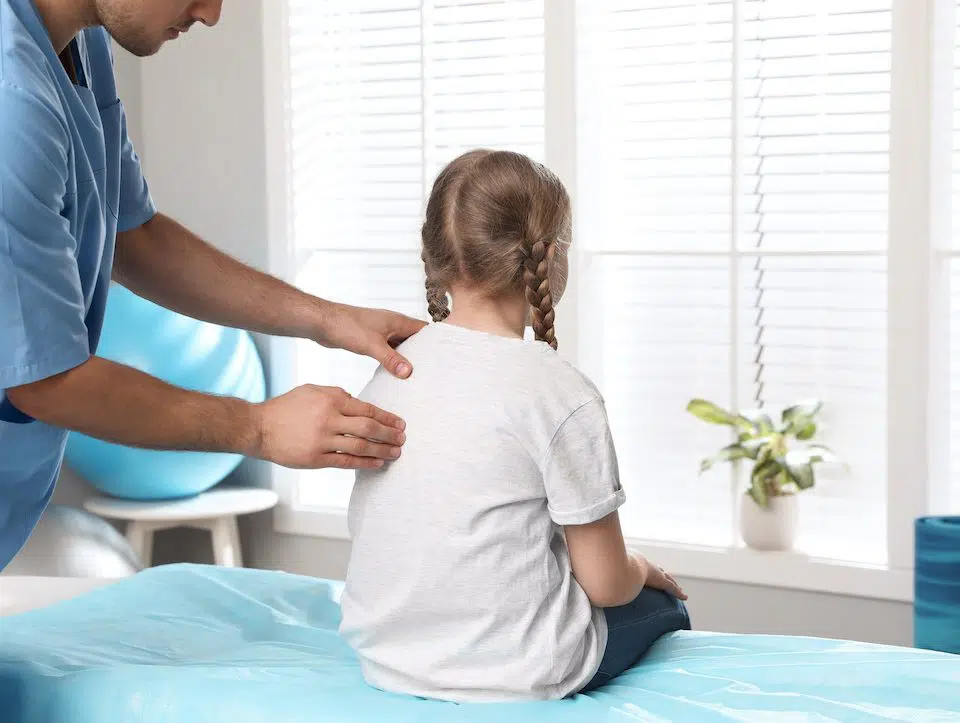
Regular check-ups and screenings during childhood can lead to early detection of scoliosis, allowing for more effective management of the condition. Monitoring the progression of the curve is crucial in determining the best course of action.
Treatment Options
Conservative treatments such as bracing can prevent further progression of the curvature in many cases. Braces are designed to be worn during the body’s growth spurts and are most effective when used as directed by a specialist.
In some instances, physical therapy can help strengthen the muscles supporting the spine, improve flexibility, and reduce discomfort caused by scoliosis.
For severe and progressive curves, surgery may be recommended. Modern surgical techniques aim to correct the curvature and fuse the spine to maintain the correction.
Chiropractic Care for Scoliosis
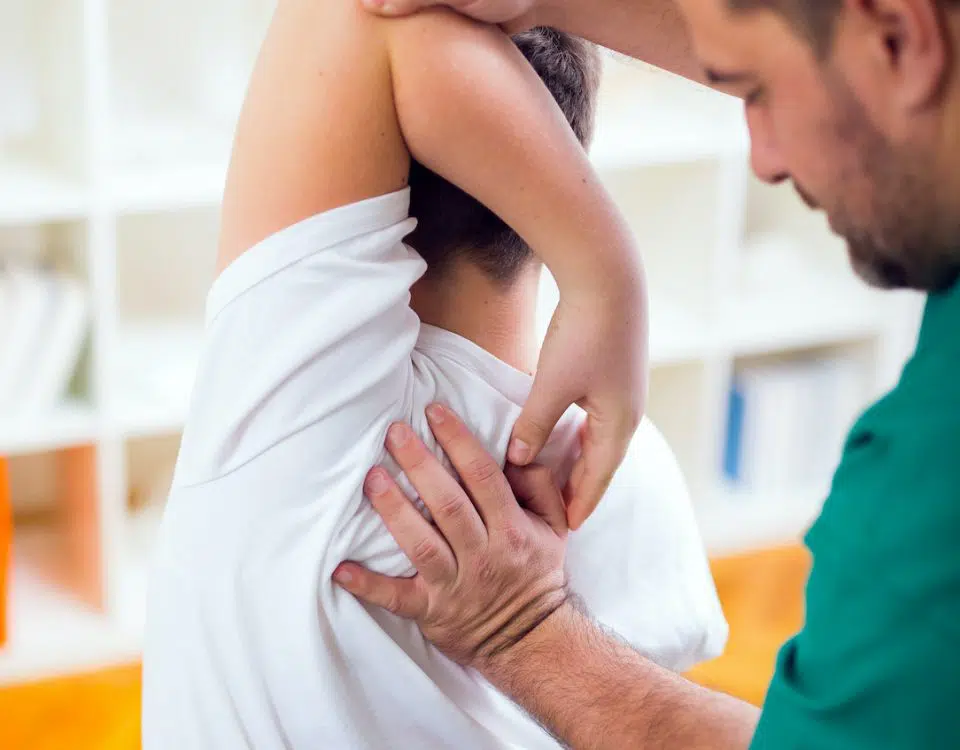
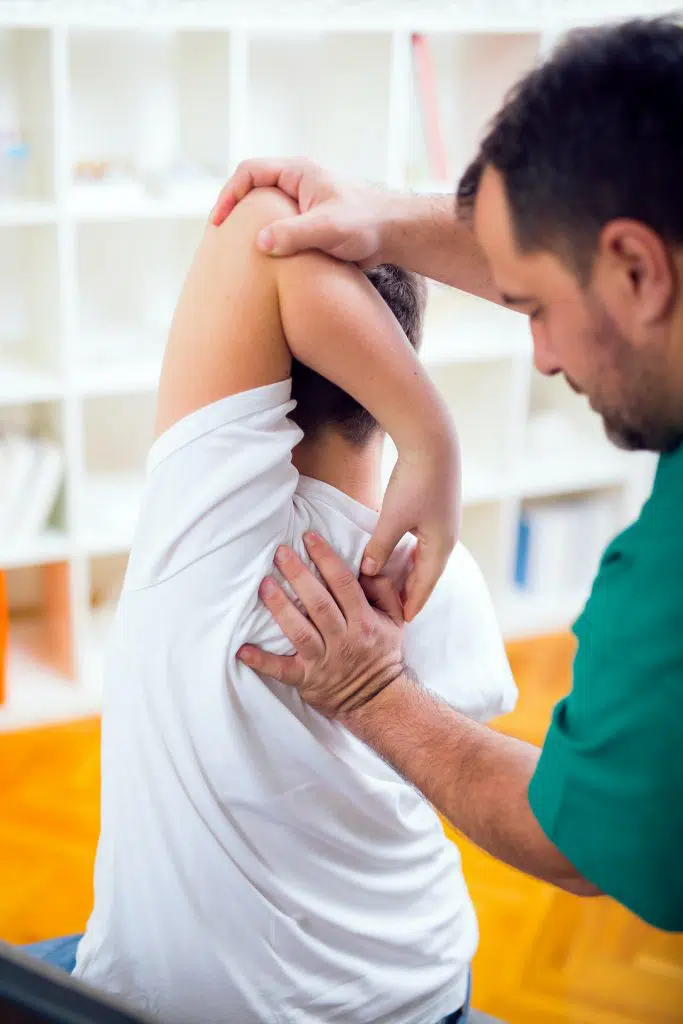
Some individuals who are seeking relief and improved posture may find chiropractic care to be beneficial. This alternative treatment method involves a focus on adjusting the spine in order to alleviate pain and enhance overall spinal health. In addition to spinal adjustments, chiropractors may also offer specific exercises and stretches tailored to improve muscle strength and flexibility, further supporting the overall well-being of their patients.
Living Well with Scoliosis
While scoliosis may present challenges, individuals can still maintain a high quality of life by following these tips:
- Attend regular check-ups and follow the recommended course of treatment.
- Engage in physical activities that are safe for your specific condition.
- Practice good posture and use proper body mechanics when lifting or carrying heavy objects.
- Seek support from family, friends, and healthcare professionals to address any mental or emotional effects of the condition.
- Be mindful of dietary needs and maintain a healthy weight to avoid additional strain on the spine.
Make an Appointment with Texas Spine & Sports Therapy Center
At Texas Spine & Sports Therapy Center, we believe in early detection and individualized treatment plans for scoliosis. Our team of healthcare professionals will work with you to develop proactive strategies and create a personalized care plan that fits your lifestyle.
If scoliosis is affecting your health or the life of someone you love, schedule an appointment today to discuss your options for managing this condition. Remember, early detection and proper management can lead to a better quality of life! Let us help you on your journey towards a healthier spine and improved well-being.