

Surprising Reasons You Could be at Risk for Herniating a Disc
May 4, 2023
Get Relief From Sciatic Pain in 5 Simple, Proven Steps
May 18, 2023
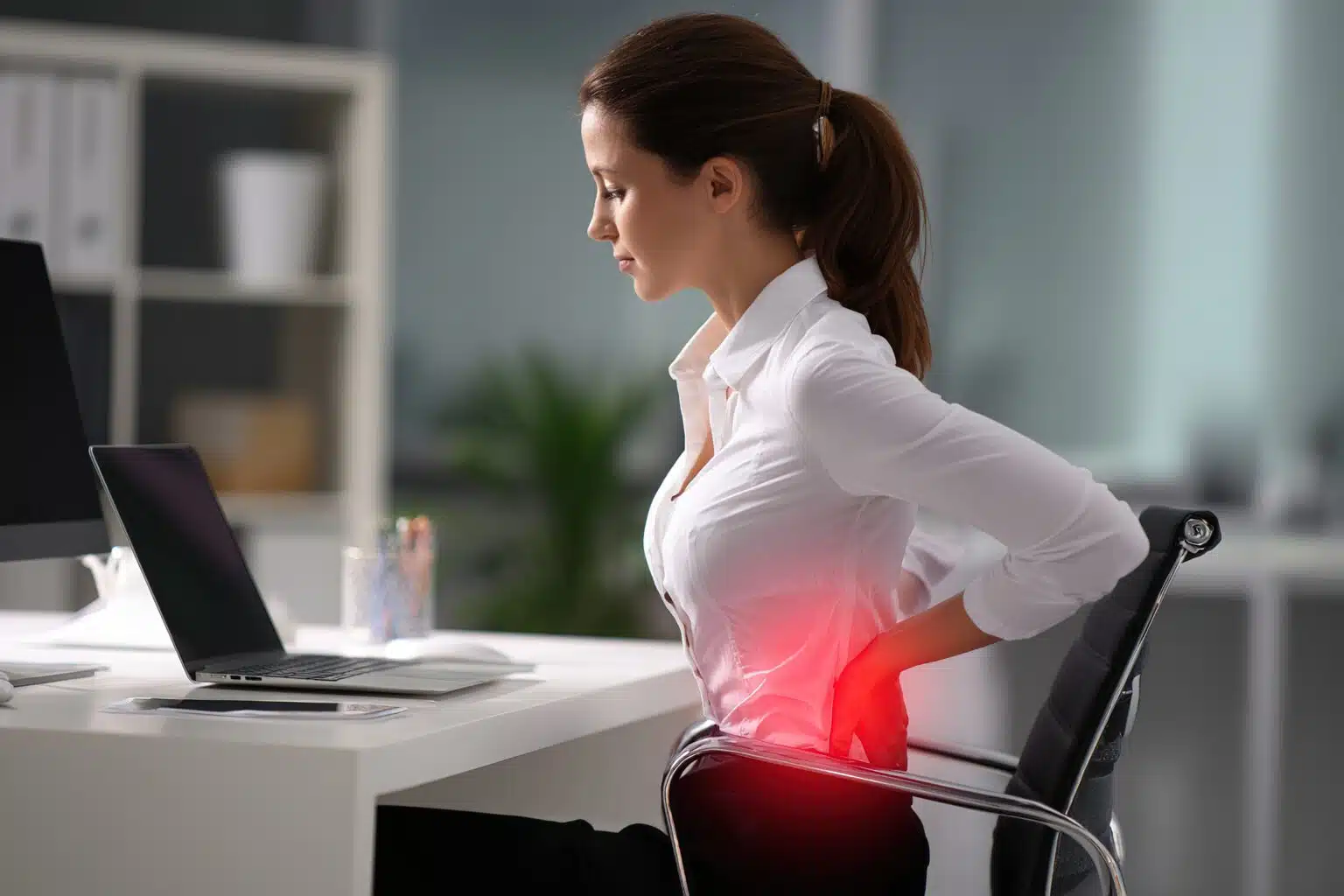
When you experience back spasms, it can be difficult to know if they are just a passing discomfort or a sign of something bigger. Knowing when to take your back spasms seriously is essential to protect yourself from more serious and long-lasting injury. In this blog post, we’ll explore the warning signs that indicate if your back spasms could be pointing towards a larger injury and how to get proper care for it. So if you’ve been asking yourself “Are my back spasms a sign of a larger injury?”, read on for answers!
What is a Back Spasm?
Generally speaking, back spasms are involuntary contractions in your muscles that result in pain, tightness and difficulty moving your spine and limbs. The first step to understanding what your back muscle spasm is telling you is to visit a doctor and get an accurate diagnosis. In general, most back muscle spasms occur because of the following reasons:
The muscles are trying to protect themselves from muscle strain
A back spasm can occur after any type of strain or injury to the soft tissues (muscles, tendons or ligaments) in the spine. This type of soft tissue injury typically heals enough within a week or two for the muscle spasms to stop.
The muscles can spasm in response to an underlying anatomical problem
If your back spasm does not get better in 1 to 2 weeks, or it comes and goes over time in the same area of your back, you may have an underlying anatomical problem in your spine. Some examples of underlying issues that could cause your back to spasm include:
- Facet joint osteoarthritis
- Degenerative disc disease
- Spinal stenosis
- Herniated disc
When these or other underlying anatomical problems are present in the spine, muscle spasms are likely to keep recurring due to ongoing inflammation or instability. It is important to seek medical attention to treat the underlying cause of your symptoms, rather than just treating the symptoms.
When to Worry About Back Spasms: Spotting the Signs of a Larger Injury
If you are experiencing any of the following symptoms in addition to your back spasms, it’s important to seek medical attention. These warning signs would indicate a larger injury that needs to be treated before it causes further damage:
- Spasms that last more than seven days
- Severe pain or pain that radiates into other areas of the body
- Numbness or tingling in your arms, legs or toes
- Weakness in your extremities
- Loss of bladder or bowel control
It is also important to be aware of any red flags that may indicate a serious medical condition like an infection (such as fever and chills), cancer, heart attack or stroke. If you experience any of these symptoms, it is important to seek immediate medical attention.
Common Causes
Any activity that causes your muscles to become overworked can lead to painful but temporary cramps. If your spasms and other symptoms return day after day or mysteriously come and go, the cause could be:
- Alcoholism
- Renal diseases or obstructions
- Dehydration or an electrolyte imbalance
- A wide variety of medications
- Heat, especially if you are exercising in it
- Repetitive activities or muscle strain
- New activities and movements that are unfamiliar to you
- Artery blockages and narrowing that interferes with blood flow to the muscles
- Diabetes and other chronic illnesses
- Restless Legs Syndrome
How Chiropractic Care Can Help
Chiropractic care is a safe and effective form of treatment for back spasms. A chiropractor can help to identify the underlying cause of your symptoms, address any misalignments, reduce inflammation and improve range of motion. Chiropractic adjustments may also help to relax tight muscles, relieve pain and promote healing. In addition to chiropractic adjustments, your chiropractor can also provide exercises and lifestyle advice to help you manage your back spasms more effectively.
Treatment at Texas Spine and Sports Therapy Center
For a basic cramp, stretching and rest is usually sufficient. You should be able to solve dehydration and electrolyte problems on your own if they aren’t severe. However, the more severe causes of spasms should be properly treated by a professional at our Austin clinic. We can provide effective treatments like:
- Massage therapy to release knotted muscles and soothe throbbing muscles
- Assisted stretching that relieves cramping in hard to access areas
- Testing to rule out deficiencies and chronic illnesses
- Chiropractic care that realigns the spine to relieve nerve pressure and stop back cramps
- Trigger point injections
that reduce inflammation and relieve pain
Our experienced team is here to help you get the care and relief you need. With our comprehensive treatment plans, we can help you find lasting solutions for your back spasms. Contact us today to learn more and make an appointment.